
Men's Hiking Shoes
19 Products
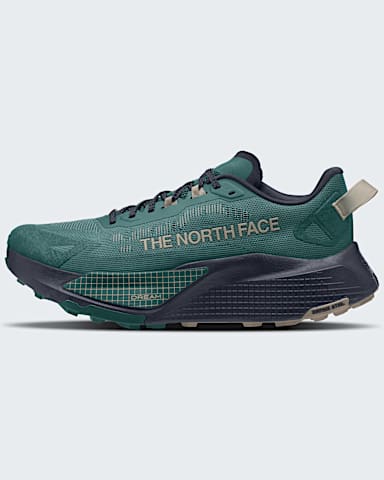
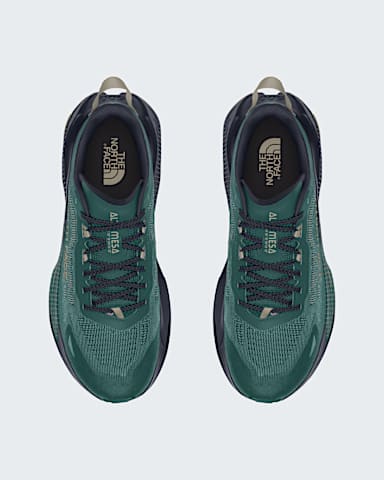
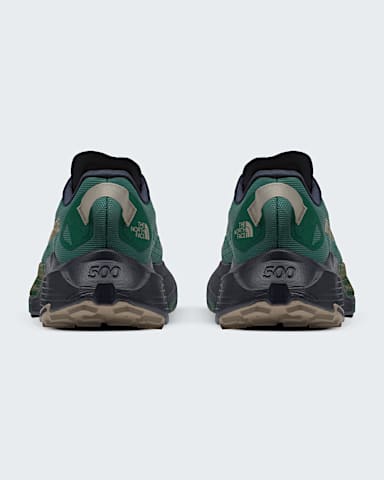
Viewing 19 of 19 Products
New Arrivals
About Men's Hiking Footwear
The North Face products, including our footwear, is designed to help you never stop exploring. Whether you're an avid multi-day backpacker or a casual day hiker, you're sure to find the shoes and boots you need to help protect your feet on the trail. And while foot protection is key, it's also important to choose footwear that provides traction, keeps you comfortable, and is appropriate for the seasonal weather conditions.
Whether you choose shoes or boots depends on your needs.
Men's hiking shoes are ideal for casual hikers and warm-weather conditions. They are lightweight and flexible which means less fatigue over long distances and staying cooler in warm temperatures. They also tend to break in faster. However, they offer less ankle support and may offer less protection from rocks.
Men's hiking boots are great for rough terrain, cold weather, and long hikes especially if you plan to carry a heavy pack. They offer better ankle support and protection and are typically more durable. Hiking boots also sometimes offer additional insulation which helps you stay warmer in cold weather and waterproof technology to help your feet stay dry.
Not sure which you need? Consider mid-height hiking boots that combine the features of both boots and shoes. They offer moderate ankle support and are versatile enough for different types of hikes. Our Men's Hedgehog Mid Waterproof Boots are a best-selling mid hiking boot. They feature DRYVENT™ waterproof membranes, rugged toe and forefoot protection, and resilient comfortable midsoles for enhanced cushioning.
Fit: Hiking footwear should be snug but not tight and leave room for toes.
Traction: Deeper tread patterns on rubber outsoles will offer better grip on wet surfaces like muddy and rocky trails.
Ankle Support: If you plan to carry a backpack, hike on uneven terrain, or you have existing ankle issues, consider a boot that offers more ankle support than a shoe.
Cushioning: Look for shoes that offer shock absorption technology and comfortable midsoles.
Waterproofing and Breathability: Waterproofing is key to keeping feet dry, but keep in mind breathability. Some waterproofing technology is less breathable, but mesh panels, ventilation, and technology like GORE-TEX® can improve it.
FAQs
Not always. It depends on the type of hiking you plan to do, weather conditions and season, and if you have existing foot or ankle issues. Choose boots if you are an avid backpacker, prefer more ankle support, more protection from rough terrain like rocks, and need insulation from cold. Choose shoes if you are more of a casual hiker, need a lightweight option, and favor speed (for trail running, check out our men's trail shoes).
The lifespan of hiking shoes and boots really depends on frequency of usage, the terrain they've been worn on, how much weight they are carrying, and the quality of construction and materials. Some say a typical lifespan is roughly 500-1,000 miles of hiking.
Waterproof vs. water-repellent vs. little to no weather protection depends on the season and hiking conditions. If you plan to hike in rainy areas or seasons, in snow, and on potentially muddy trails, waterproofing is key. However, if you tend to hike dry trails or desert areas, consider a non-waterproof option for more breathability.
Slightly larger can be good especially for extra toe room when walking downhill. However, avoid wearing footwear with loose heels.
Perhaps. Trail running shoes offer lightweight protection on trails and can be worn for shorter hikes.