Women's Windbreakers
23 Products
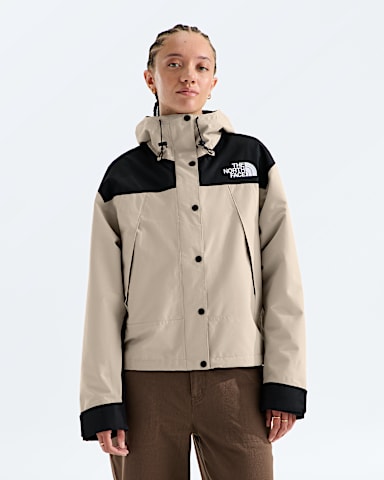
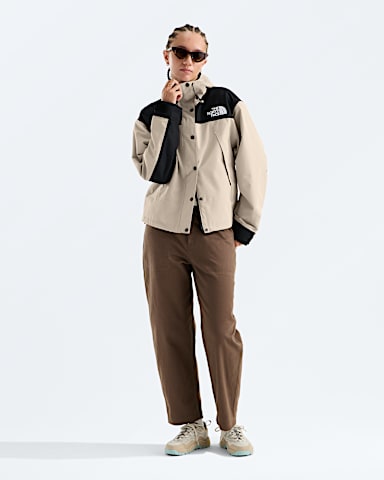
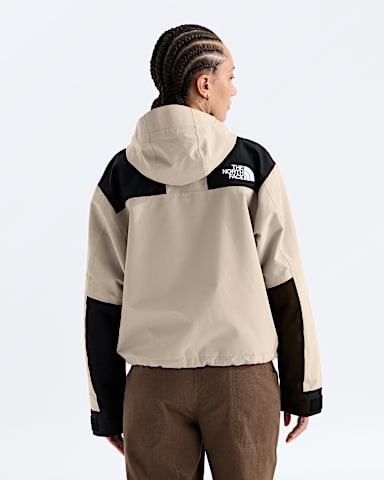
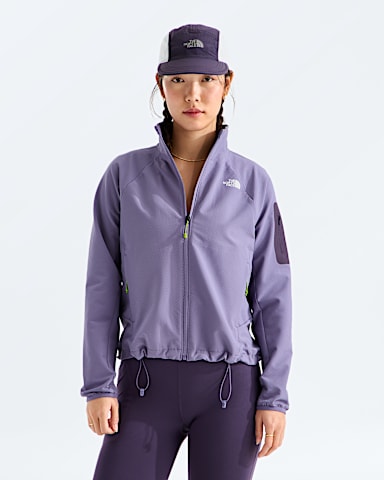
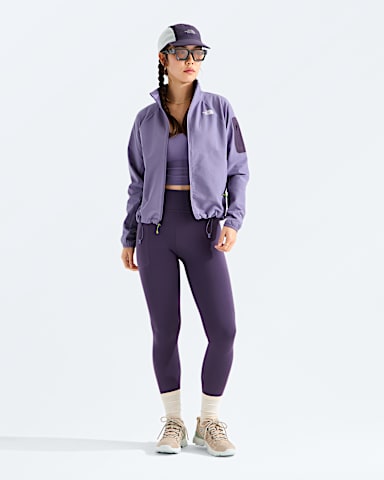
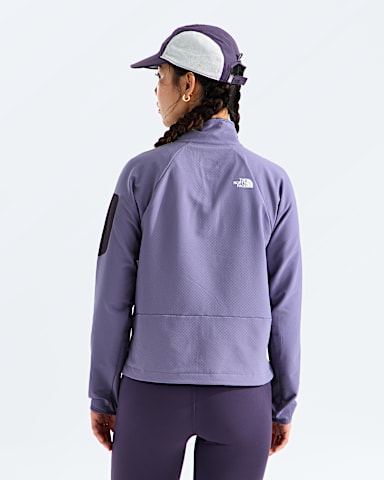
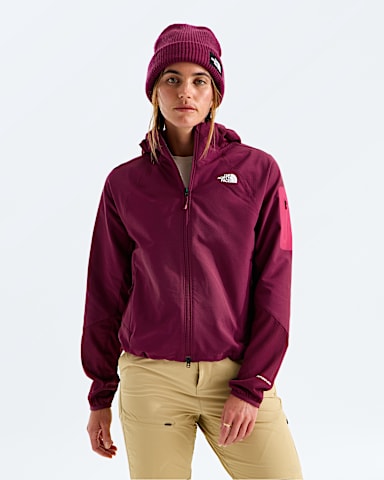
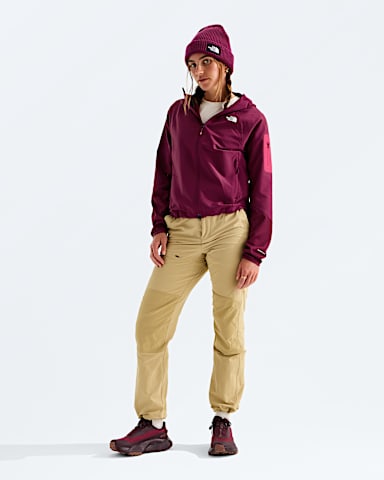
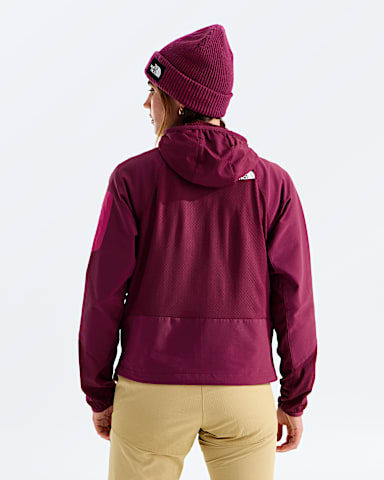
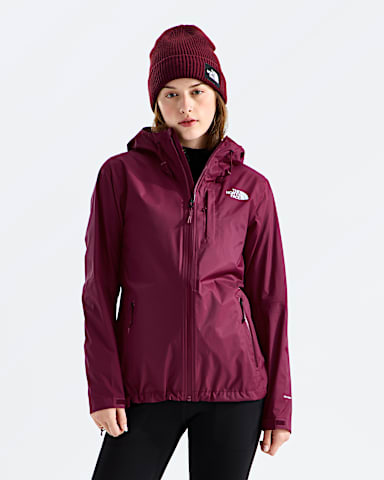
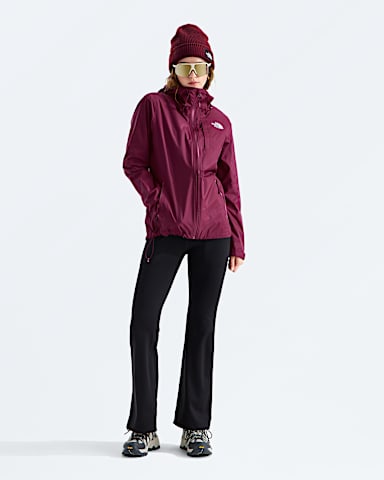
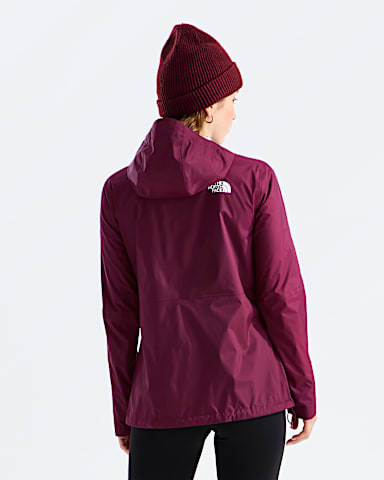
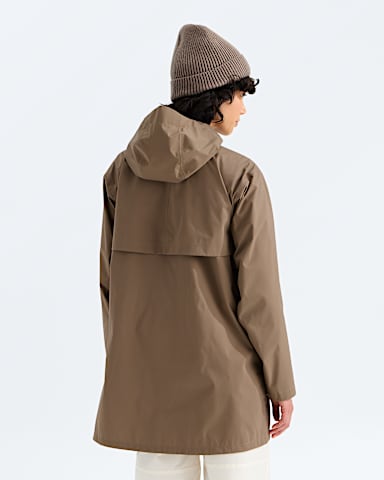
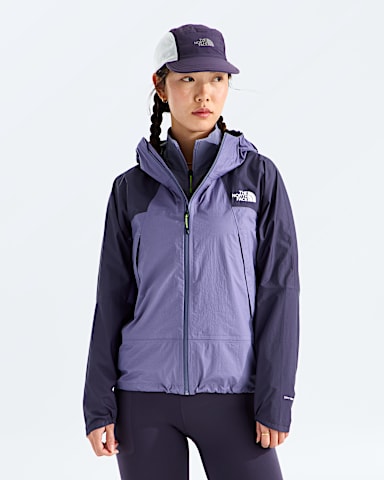
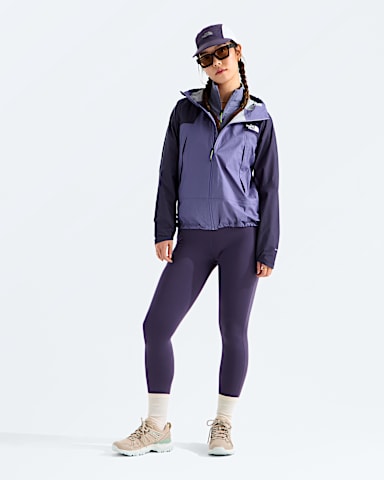
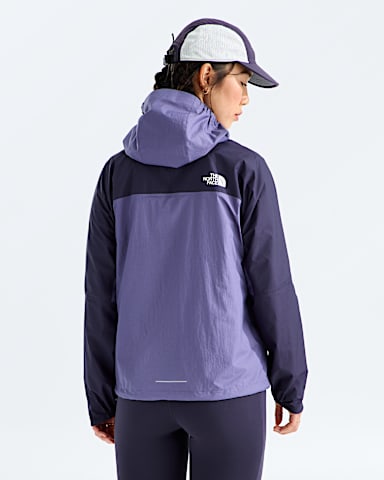
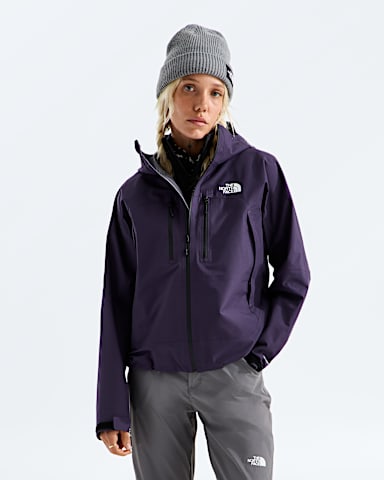
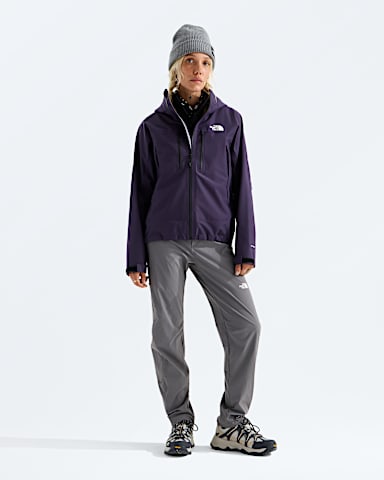
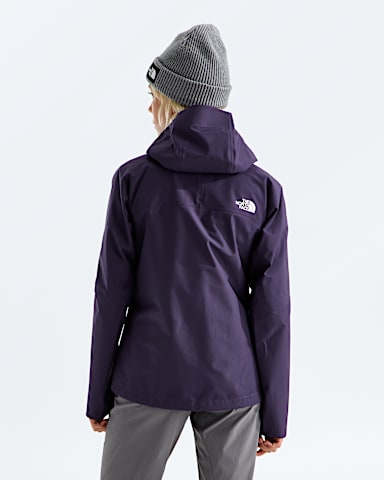
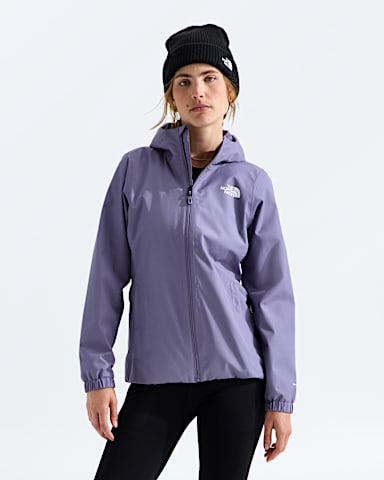
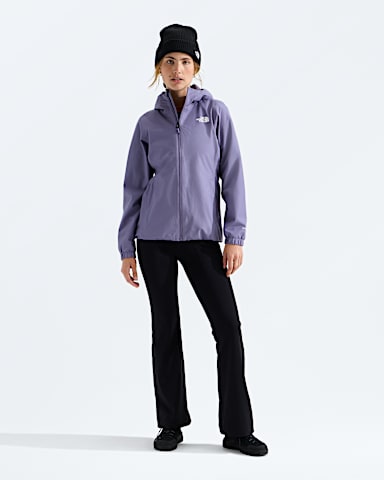
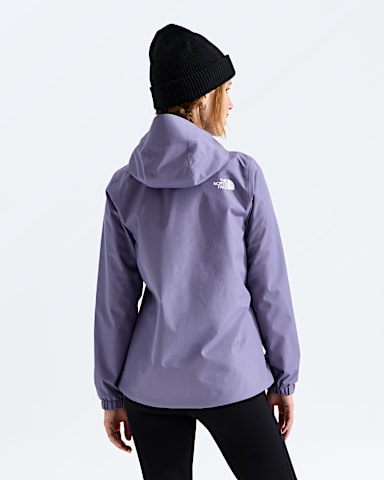
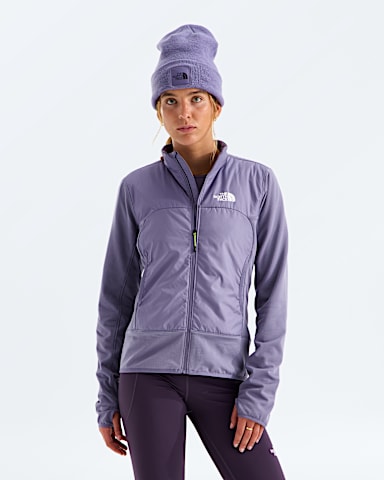
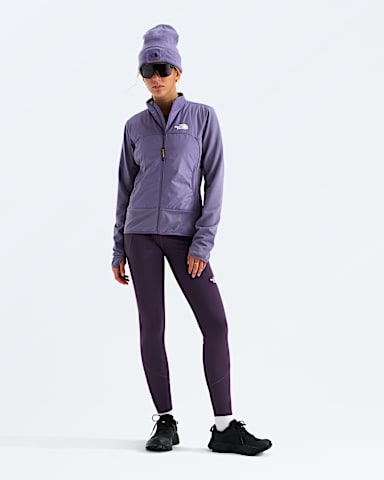
Viewing 23 of 23 Products
Explorers Like You Also Loved
Learn More About Women's Windbreakers
Windbreaker jackets are a lightweight outer layer that is designed to block wind and reduce wind chill. The name "windbreaker" comes from the fact that the jacket "breaks" the wind, interrupting air flow so it doesn't steal heat from your body as quickly. Other names for windbreakers include windcheater and wind shell.
Wind Protection: Look for jackets that have a tightly woven fabric with good cuffs, hems, and collars. Cinched collars and cuffs are an advantage not just in gusty conditions, but also light drizzles.
Weather resistance: Some windbreakers are water-resistant, but they are usually not waterproof. Check the level of weather resistance for particular styles before purchasing. Many of our windbreakers at The North Face have a DWR finish that adds water repellency, but not true waterproofing, which means these jackets are great for light moisture, but not heavy downpours.
Packability: A packable jacket is versatile for hiking, running, travel, and commuting. When you don't need to wear it, you can stash it in a small shoulder bag or backpack. Even better, some of our highly compressible windbreakers at The North Face can pack into their own pocket.
Breathability and venting: Mesh-lined vents, pit zips, and back yokes can be a big comfort upgrade particularly when wearing a windbreaker during high activity. You'll find some of these features in style like our HKe Devils Thumb Jacket which not only uses GORE-TEX® for breathability, but also features pit-zip venting.
Zipper Style: Full-zip gives you more control over your temperature and are easier to put on and take off. Anoraks and pullover wind shells, however, may offer more wind protection, a more sporty style, and more packability (less bulk).
As the name suggests, windbreakers are truly in their element in windy conditions. However, they can also be worn in cool or variable weather. The point is to wear them as a layering piece (over a t-shirt or fleece).
Benefits of windbreakers include:
Protection from wind with little added weight
Easy to layer and pack, making them travel-friendly
More versatile during the "shoulder" seasons (fall and spring)
Potential drawbacks, however, may include:
Not typically waterproof
May look "too sporty" for more formal settings (choose a coach jacket style for an elevated look)
The best way to sum up when to wear a windbreaker is to say, "If you're comfortable in a long-sleeve top, but the wind is bothering you, layer on a wind jacket. If you're cold, consider a warmer midlayer underneath the windbreaker or choose an insulated jacket instead."
Best times for windbreakers include:
Spring and fall
Summer evenings near water (windbreakers are a popular sight in coastal regions)
Vacations or even at the airport (which can be chilly)
Hiking, running, and cycling particularly in the morning and evening
One of our best-selling wind jackets is the HKe Utility Wind Jacket. Built for gusty days, this no-nonsense windbreaker has a water-repellent finish and material that is engineered to dry quickly. It's perfect as an outer layer for running, cycling, and trail running.
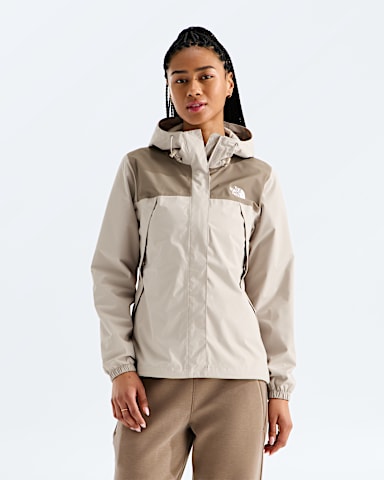
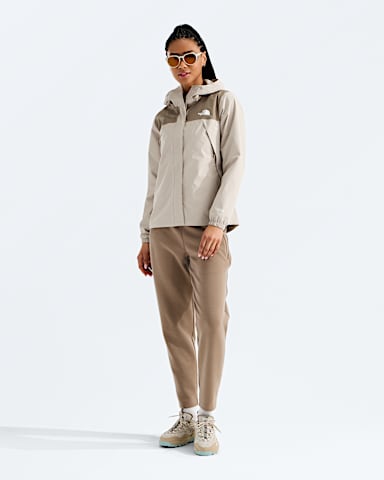
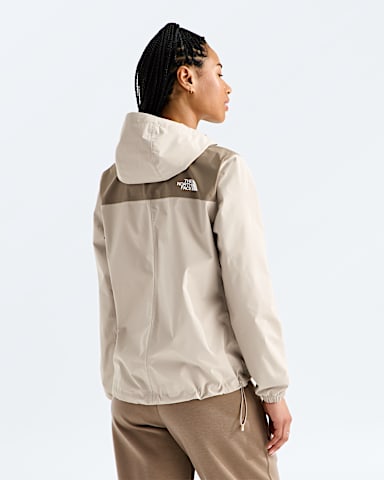
If wind protection plus rain protection is key for you, our Antora jackets and our Women's Quest jacket are great choices. Our Antora jackets are made from DRYVENT™ fabric that blocks wind and rain while features like stormflaps and sealed seams add to the weather protection.
FAQs
Typically the answer is no. Windbreakers may have a DWR (Durable Water Repellent) finish that helps water bead and roll off, but windbreakers are more intended to be lightweight and windproof. For water-resistant and waterproof windbreaker options, look at rain shells.
Windbreakers are typically not insulated. They may help you feel warmer because they block the wind from stealing your body heat, but they are not usually a warm layer. For warmth, consider layering a windbreaker over a fleece or long sleeve top midlayer or baselayer.
Windbreakers should be sized so you can wear a layer (or maybe 2) underneath. They should not be so loose that they billow in the wind, but not so tight that they restrict movement in the shoulders and arms.
Absolutely. Windbreakers are a popular layer for running in cool and windy conditions. They're also great for trail running and hiking because they can be removed and packed into a small bag or backpack when not needed.
WindWall™ is a fabric that is engineered to block wind chill without compromising mobility. It uses a unique bonding process, often with a durable water-repellent (DWR) finish and moisture management to keep you comfortable whether you're out running, hiking, commuting, or running errands on windy days.
WindWall™ technology can be found in The North Face jackets and pants.