Winter Mountaineering Gear


Winter Mountaineering Gear
FAQ
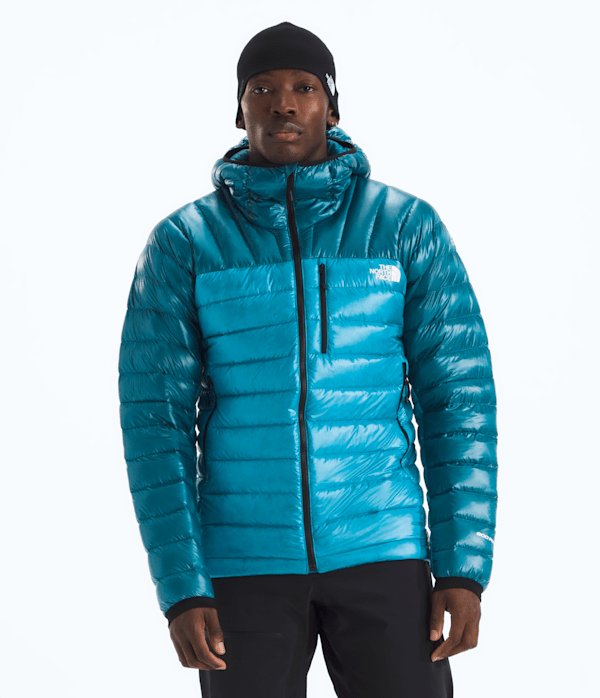
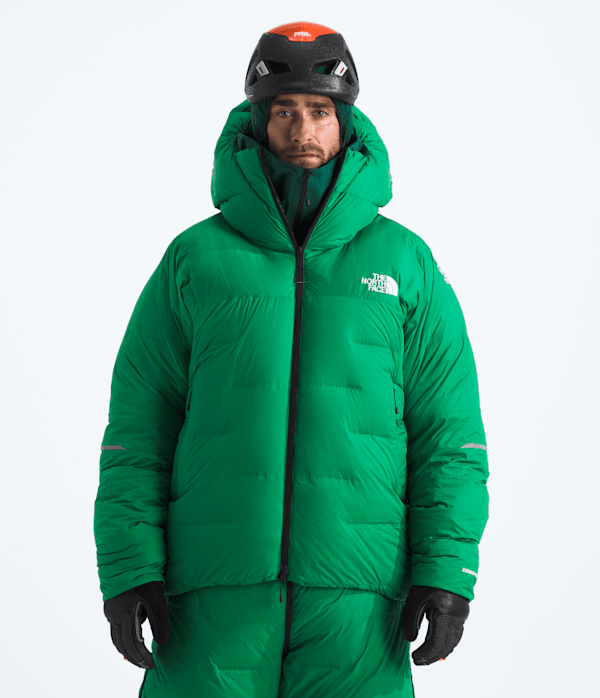
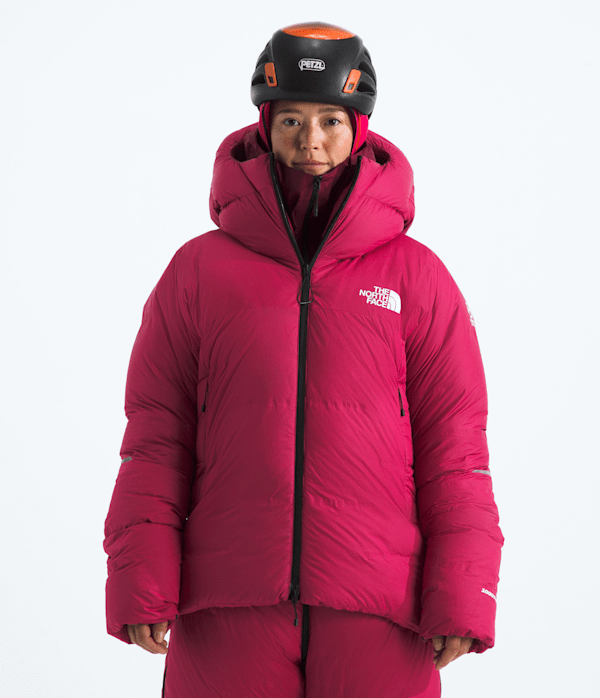
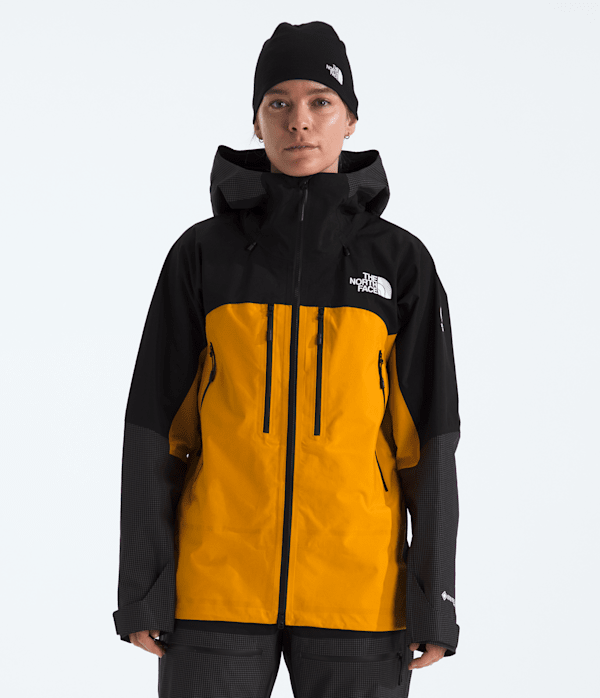
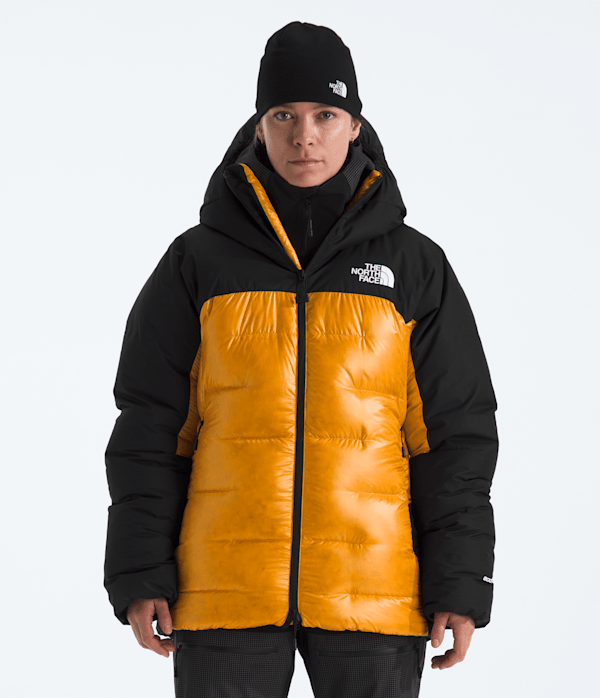
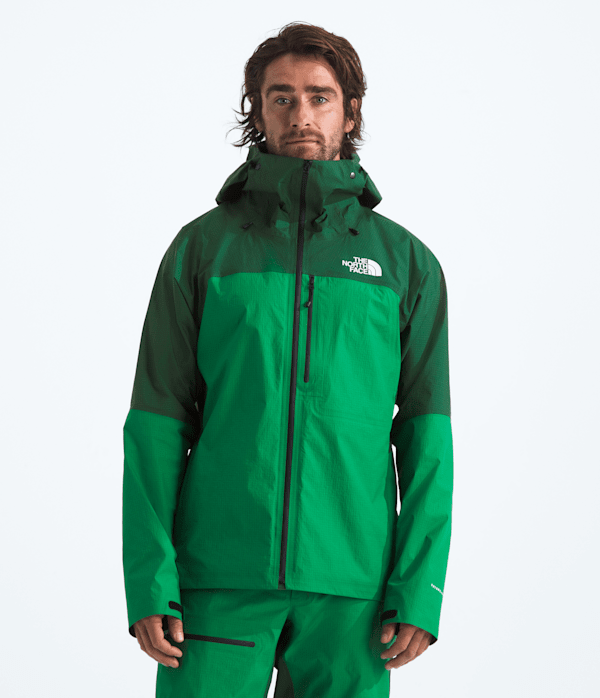
A typical clothing system includes base layers, midlayers, an insulated jacket, an outer shell, and mountaineering pants. Gloves, headwear, and socks round out the setup. Plan your clothing around the route, expected conditions, and trip length, then review each item's listed materials and features.
Start with a base layer next to your skin, followed by a fleece or other midlayer. An outer shell goes over those layers, while an insulated jacket may go over or beneath the shell depending on its design. Choose a combination that lets you adjust layers throughout the day.
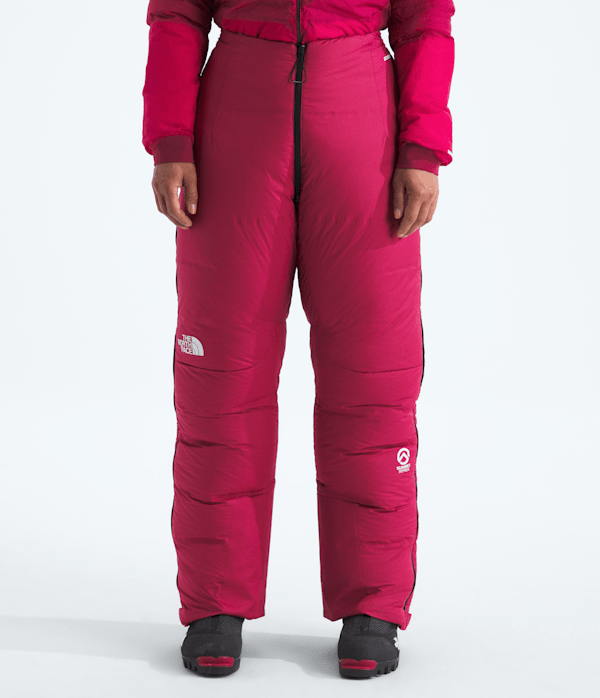
Compare articulated knees, gusseted construction, adjustable waistbands, side zippers, and reinforced lower legs. Also consider pocket placement and whether you prefer pants or bibs. Check the product description for fabric details and specific technical features rather than assuming all mountaineering pants have the same construction.
Group clothing, food, and small accessories in separate packing pouches. Keep layers you expect to change near the main opening, and place frequently used items in accessible pockets. Review the pack's compartment layout and designated attachment points before deciding where each item belongs.
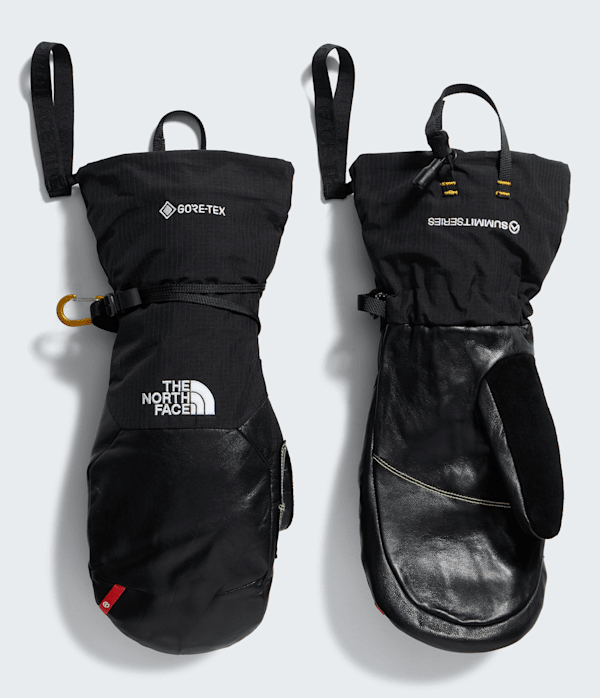
Include gloves or mittens, liner gloves, a beanie, a neck gaiter, and socks. Gaiters may also be part of your clothing setup, depending on your boots and pants. Organize spare accessories together so they are easy to locate when changing layers.