
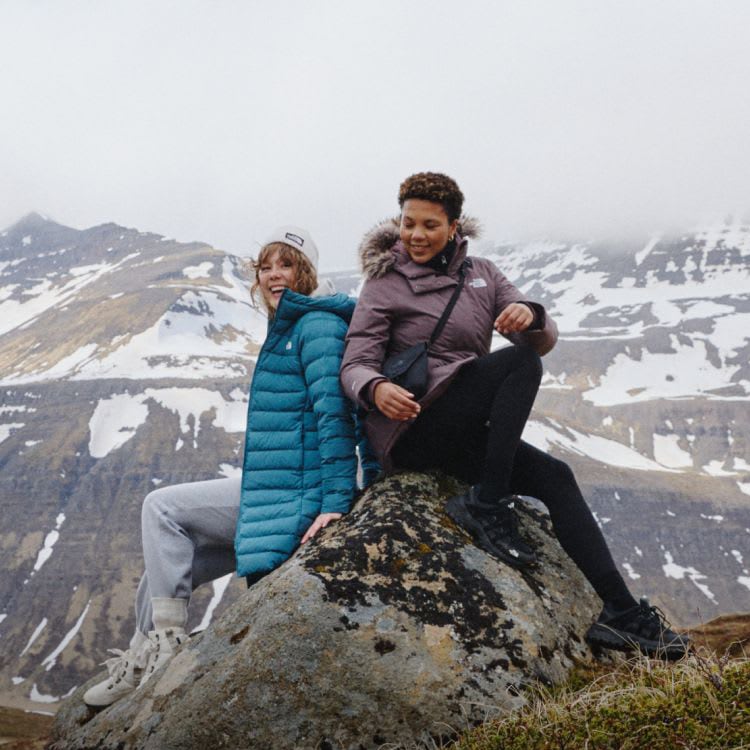
Winter Insulated Jacket Guide
When you’re outdoors and the temperature starts to drop, a great insulated jacket will maintain your body temperature without compromising your performance.
Your choice of insulated winter jacket should take into account the activities you have planned as well as the weather you are likely to encounter. This guide will explore the advantages of different types of jackets, including styles with down and synthetic insulation. Understanding the key features of each type will help you make the right choice for your next activity, giving you the peace of mind to focus on performance.
What Does ‘Insulated Jacket’ Mean?
An insulated jacket uses natural or man-made materials to reduce heat loss from the body in low temperature conditions. Down feathers or synthetic insulation trap air to prevent the transfer of thermal energy through the jacket. This helps to maintain a comfortable microclimate around your body.
The temperature difference between your body and the surrounding air causes thermal energy to be lost from the skin. This makes you feel cold and compromises your performance as the body works harder to stay warm.
In low temperatures, blood vessels constrict, putting extra strain on the cardiovascular system. Breathing tends to become shallower, providing less oxygen to your muscles. Dexterity and concentration are negatively affected, increasing the risk of accidents. An insulated jacket is a key piece of equipment to guard against these issues.
Are Insulated Jackets Warm?
Insulated jackets are built to trap your body heat and keep you warm. To stay comfortable outdoors, it’s important to choose a winter jacket that matches the weather conditions you’ll face. If you’ll be active, look for insulated coats that offer the right balance of warmth, weight, and breathability so you don’t overheat.
Understanding the different types of insulation will help you choose the best jacket for your needs and your activities.
What Are the Different Types of Jacket Insulation?
Down Fill
Down insulation is made from duck or goose feathers that are found close to their skin, and is famous for its superior insulating properties. A high warmth-to-weight ratio keeps these jackets lightweight. As well as keeping you warm in cold conditions, down is also highly compressible. This allows you to pack your jacket in very small spaces.
Fill power is a measurement of the amount of space that one ounce of down will occupy. The higher the fill power, the more effective the insulation. High fill power means that the down has a higher lift and will trap more air in between the feathers.
Our premium Summit Series™ range uses the highest quality commercial down available. These jackets can perform in the harshest conditions. The North Face also co-created the Responsible Down Standard (RDS) with the Textile Exchange which certifies a commitment to animal welfare throughout the feather supply chain.
Our down jackets come men’s, women’s, and kids’ sizes. Made with tough construction and designed to be as versatile as they are durable, they’re perfect for hiking.
Synthetic Insulation
One of the disadvantages of down is that it does not perform well when wet. Wet feathers clump together, reducing the effectiveness of the insulation. Synthetic alternatives to down use small clusters of fibers to trap air in the same way as down feathers. These materials do not compromise performance when wet. Man-made insulating materials are also a vegan, cost effective option as they do not rely on animal production.
Thermoball™ technology was developed by The North Face to mimic the properties of natural down. Thermoball™ uses small packets of synthetic fibers that achieve the heat-trapping effects of down feathers. These fibers do not compromise their shape when they become damp, continuing to provide warmth in all conditions.
With down jackets, the more feathers, the better the insulation. This can lead to bulky jackets that are not suitable for active pursuits. On the flip side, synthetic fill keeps you warm while remaining lighter than a traditional winter jacket.
What are Baffles?
Baffles are the pockets of space within the lining of the coat that contain the down or other insulating materials. The use of baffles allows an even distribution of insulation across the coat. The size and sewing construction of the baffle will affect the insulating performance, comfort, and bulk of the jacket.
Box-wall baffles allow for greater warmth as the loft of the insulation is not restricted at the edges. Sewn-through baffles achieve a less bulky, more packable finish that is usually less expensive.
Do I Need to Layer an Insulated Winter Jacket?
Insulated jackets are most effective when combined with other clothing in a layering system. Layering allows you to trap heat efficiently and adapt to variable conditions. Well-chosen combinations of clothes will keep you moving whatever the weather.
When layering, think about building your outfit in three main layers:
• Base layer – A lightweight thermal base layer should fit close to the skin to allow easy addition of other clothing. Look for comfortable materials that wick moisture away from the skin
• Mid layer – Fleece or soft shell mid-layers add extra insulation by trapping body heat close to the skin
• Outer shell – A waterproof outer shell or rain jacket offers protection from the elements. It can be easily added on top of other clothing when it starts to rain.
Do Shell Jackets Make Good Insulated Jackets?
Shell jackets are single outer layers designed to be worn over the top of other clothing. They do not provide much insulation themselves. In contrast, insulated jackets are filled with materials creating pockets of air in the lining of the coat. This keeps warm air close to the body, allowing you to continue your adventure in comfort.
Are Insulated Jackets Good for Winter?
To choose a good insulated winter jacket, you should consider the weather you are likely to encounter. Even though insulated jackets are designed for low temperatures, if you expect wet conditions, a waterproof jacket is essential to stay warm and dry.
If you’re short on packing space and want a jacket that can handle a range of different conditions, check out our 3-in-1 Triclimate jackets.
Are Insulated Jackets Waterproof?
Insulated jackets can be waterproof, depending on the outer fabric layer, but not all will protect you against rain. Insulation depends on the materials used to line the jacket, while water resistance depends on the outer shell.
Waterproof fabrics work by preventing the movement of water molecules through the pores in the material. This can be achieved by adding coatings or through weaving methods. The challenge for rain jackets is keeping water out without preventing the movement of water vapor when you start to sweat. A lack of breathability will result in damp, uncomfortable conditions inside the jacket.
Tightly-woven fabric construction can produce pores that are too small for water to pass through but remain permeable for breathability. A durable water repellent (DWR) coating will cause water droplets to bead on the surface of the jacket rather than soak through. To choose a waterproof, breathable, and insulated jacket, consider the level of moisture protection you need.
Finding the Ideal Insulated Winter Jacket
Your outdoor gear is key to ensuring the adventures don’t stop when temperatures start to drop. A good choice of insulated jacket will ensure maximum comfort and performance for activities throughout the winter so you can keep exploring the great outdoors no matter what the weather throws your way.
Whether it’s skiing or climbing, weekend hikes or extreme expeditions, The North Face has exactly what you need for your next trip. Explore our men’s jackets and vests and women’s jackets and vests online now.