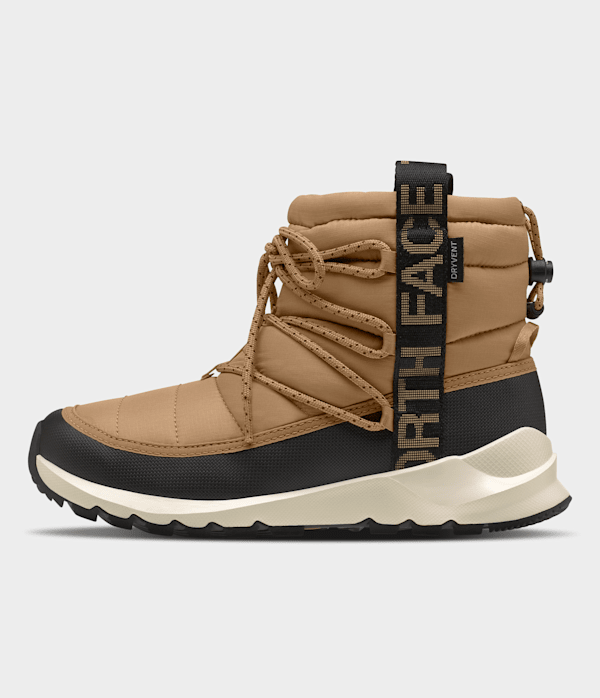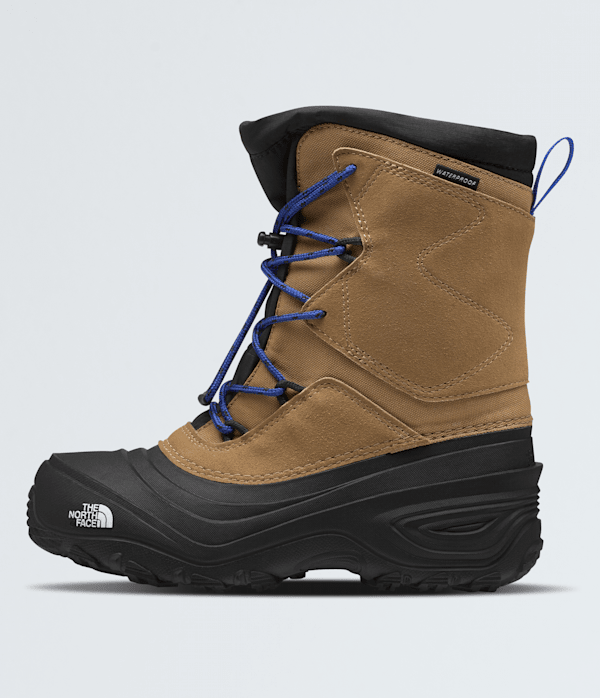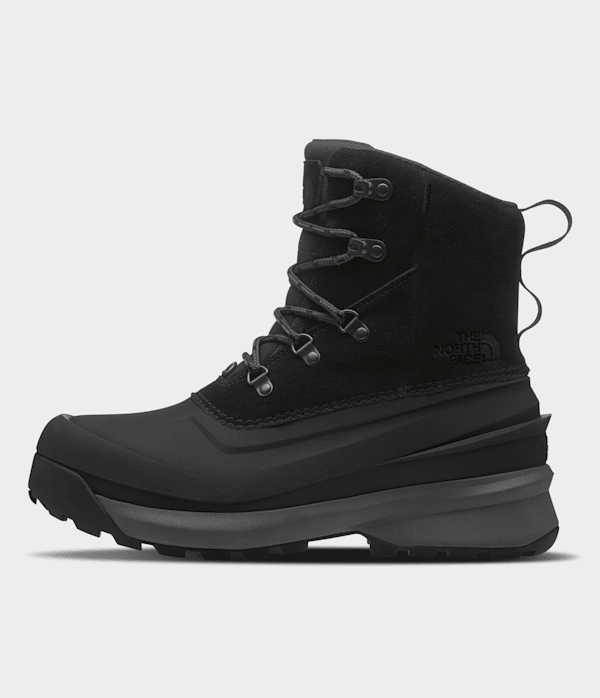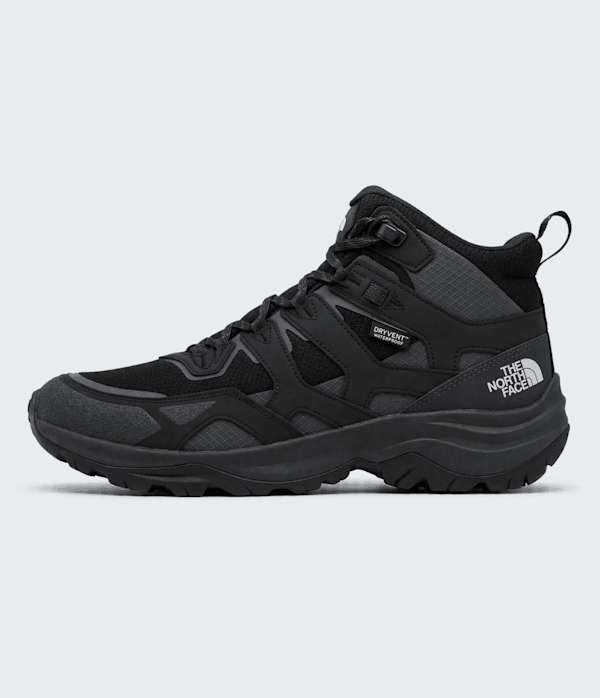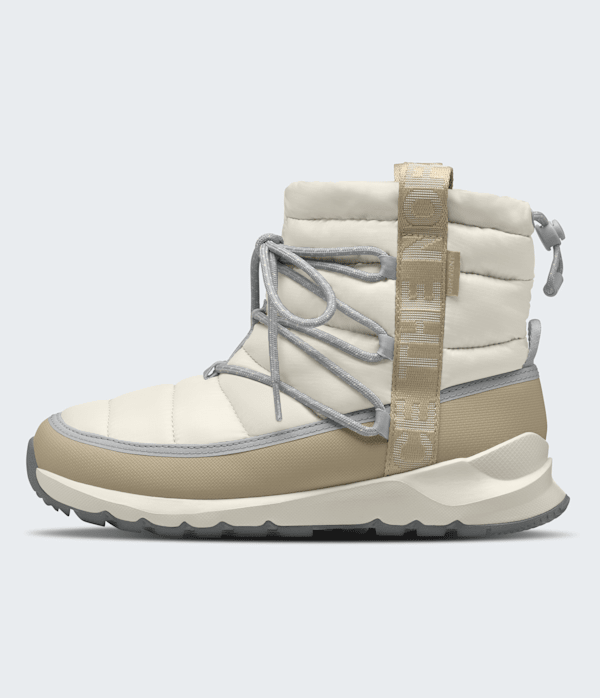
Snow Boots
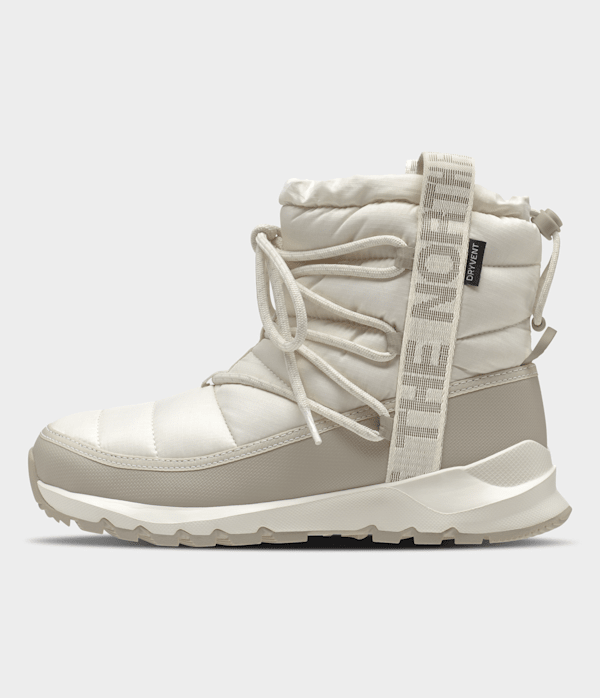
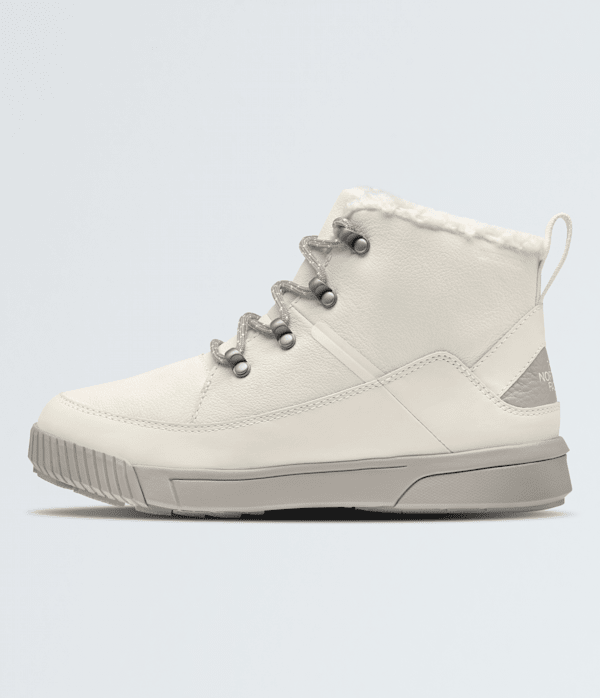
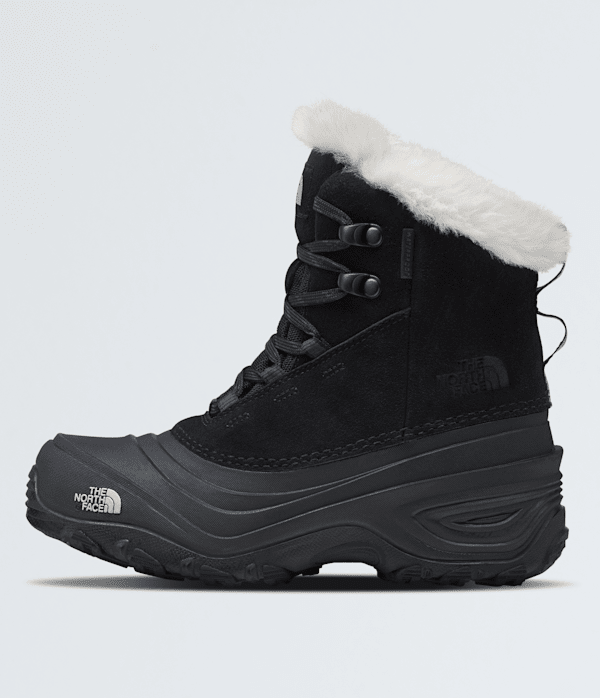
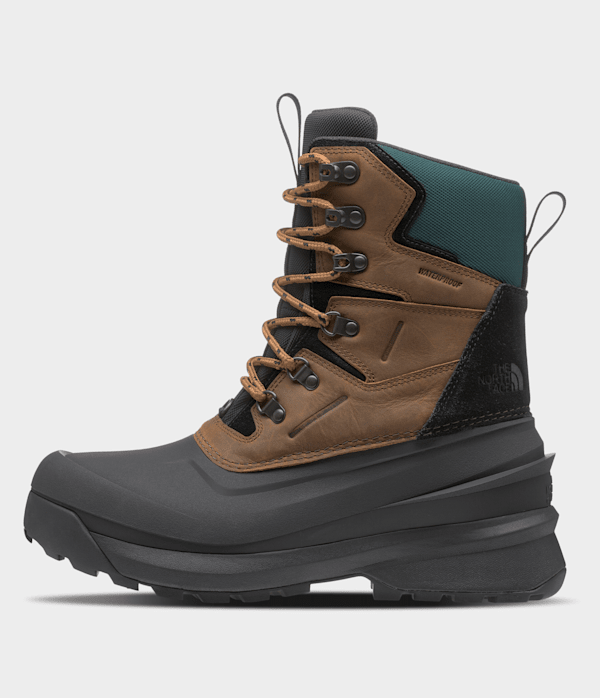
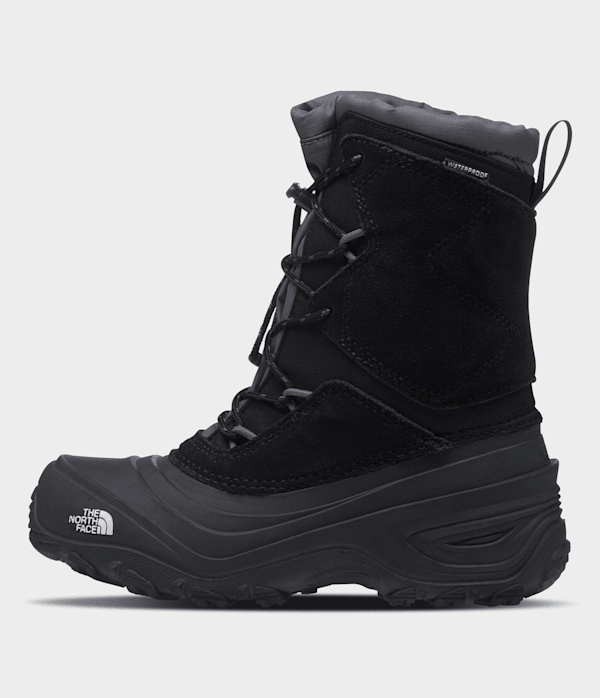
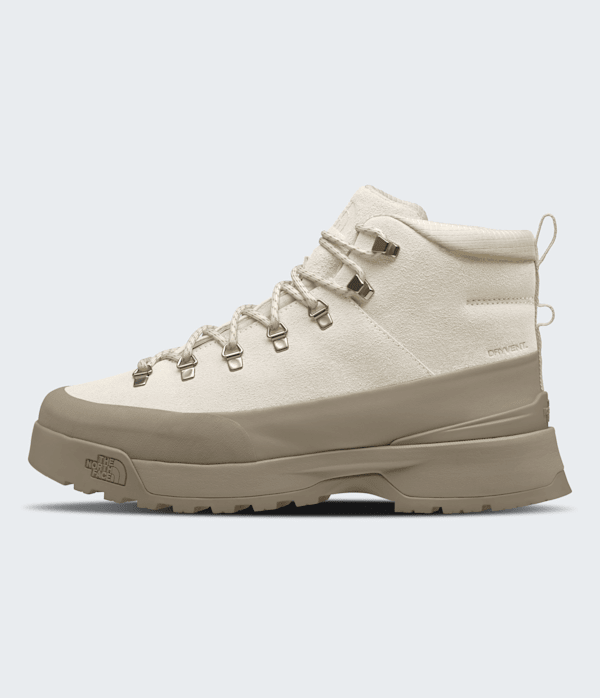
Snow Boots
FAQ
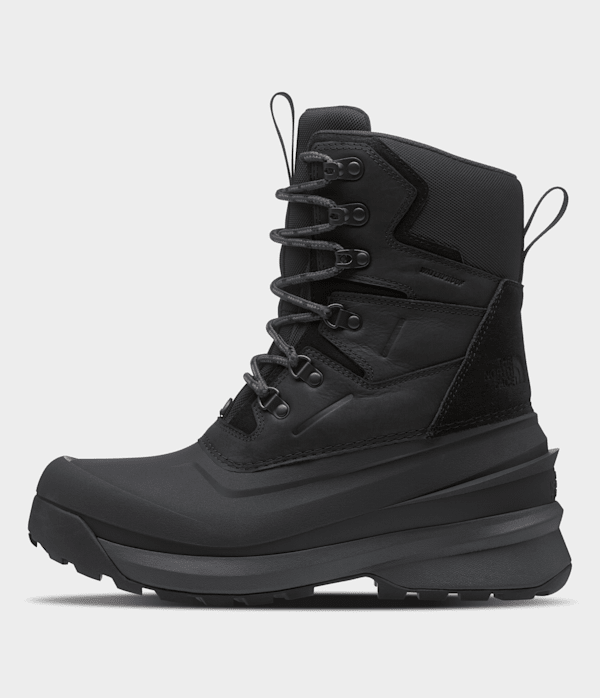
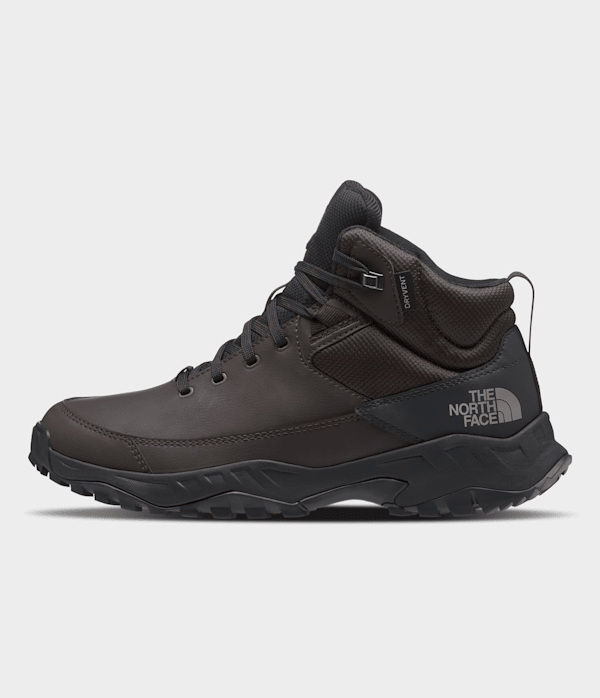
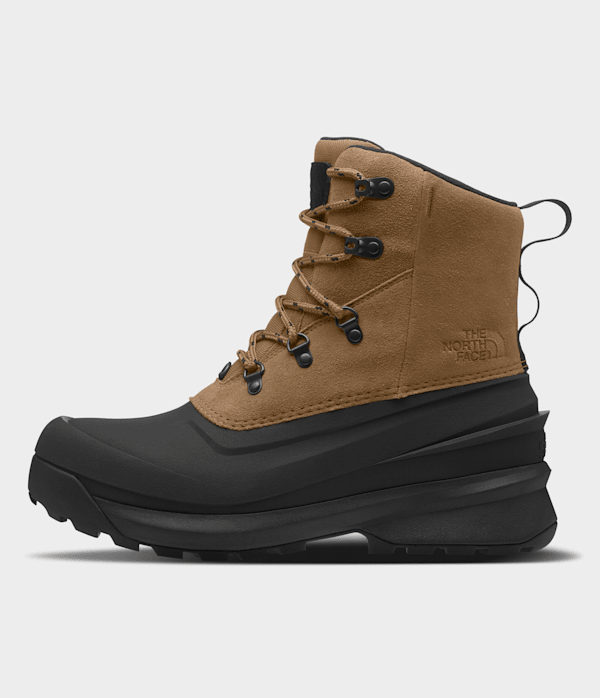
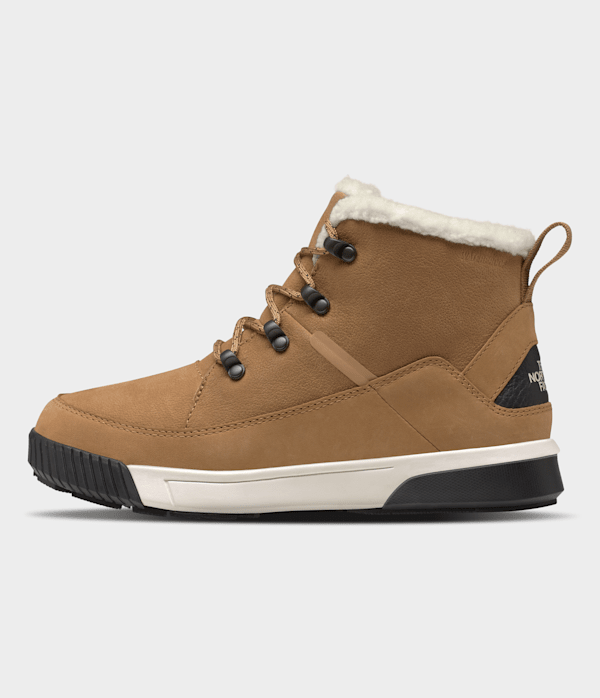
When choosing snow boots, consider insulation for warmth, waterproof or water-resistant materials to help keep feet dry, durable outsoles for traction on icy surfaces, and supportive construction for comfort during extended wear.
Snow boots are specifically designed to handle deep snow and wet conditions. They typically offer enhanced insulation, higher shafts to prevent snow entry, and rugged soles engineered for superior grip on slippery terrain.
Many snow boots are built with sturdy outsoles and supportive midsoles, making them suitable for winter hikes. Look for models that balance warmth, waterproof protection, and mobility to support comfort on snowy trails.
High-quality snow boots often use waterproof leather or synthetic uppers, insulated linings such as fleece or synthetic fill, and rubber outsoles designed to provide reliable traction in wintry conditions.
After use, remove excess moisture and debris. Allow boots to air dry away from direct heat sources. Periodically clean the uppers and apply appropriate treatments recommended by the manufacturer to help preserve water resistance and durability.