
The North Face Spring Windbreaker Guide:
Breathability, Packability, Performance
Spring is the season that keeps you guessing. One morning, it’s warm enough for a t-shirt, and by the time you’re an hour into a run, the wind has dropped the temperature by ten degrees. A windbreaker jacket is the answer to that particular problem. It’s light enough to forget you’re wearing it, but effective enough to feel the difference.
In this guide, we explore what a windbreaker does, how it differs from a waterproof jacket, and how to choose the best windbreaker jacket for spring.

What is a windbreaker?
A windbreaker is a lightweight outer layer that blocks wind and reduces wind chill. The name is literal: the jacket interrupts airflow, helping reduce the heat loss caused by wind chill. Without that barrier, even a moderate breeze on a 10-degree day can feel much colder than the temperature suggests.
Windbreakers have a dense construction, made from closely woven fabrics to stop wind from passing through. Most use synthetic materials to keep weight low and pack size small. Many also feature a durable water repellent (DWR) finish, shedding light moisture and drizzle from the outer face of the fabric.
Are windbreakers waterproof?

What windbreakers are not is waterproof. In a proper downpour, a windbreaker won’t keep you dry. That’s a job for a waterproof shell or a DryVent jacket.
A windbreaker with a DWR coating will handle light moisture and a brief shower. With DWR, the water beads on the surface and runs off, rather than soaking into the fabric. But DWR is a finish, not a membrane. In sustained rain, it will wet out, and the jacket will start to absorb water.
A waterproof jacket works differently, using technologies such as DryVent™ to help prevent water from passing through the fabric while allowing moisture vapour (sweat) to escape. That membrane adds weight, reduces packability, and can reduce breathability.
When comparing a windbreaker with a waterproof jacket, the trade-off is clear. If you’re training in spring conditions and the skies are clear, a windbreaker’s breathability advantage is considerable. For super wet days, step up to a waterproof jacket.
For spring in the UK, a windbreaker provides the protection you need, with a waterproof shell packed away for changing conditions.
What to look for in a spring windbreaker
There are a few technical features worth paying attention to when choosing a windbreaker for the British spring season.
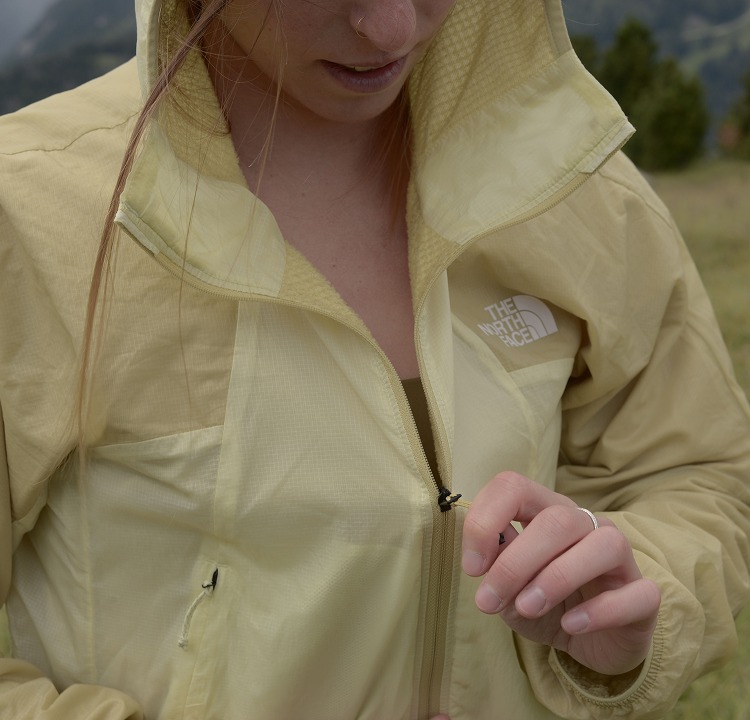
Breathability
This is the windbreaker’s main performance advantage over a waterproof jacket. Tightly woven windproof fabrics still allow a degree of air circulation, so excess heat and moisture vapour can escape.

Packability
A windbreaker you actually carry is worth so much more than one you left at home. The best ones stuff into their own pocket or a pouch and are small enough to clip to a pack or drop into a running vest without noticing the weight.
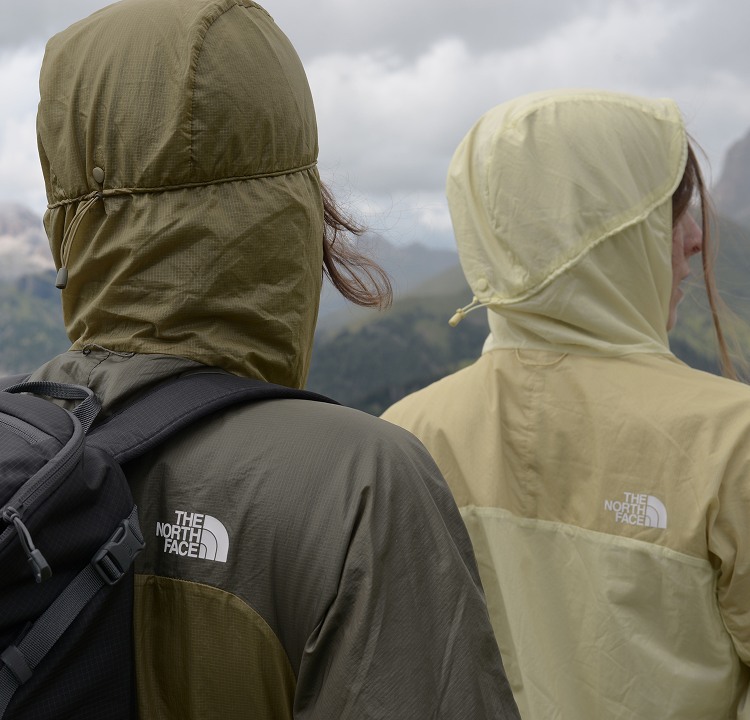
Wind protection
For optimal wind protection, look for adjustable cuffs, a fitted hem, and a secure collar where wind could get in while the fabric itself is doing its job. An adjustable or stowable hood also adds useful versatility for shifting conditions.

Fit and mobility
A windbreaker worn during activity needs to move with you. Stretch panels, articulated sleeves, and a fit that doesn’t restrict your arm swing all matter. For running and training, a trim, close fit also reduces flutter and drag in gusty conditions.
The best windbreakers for spring
The right spring windbreaker depends on what you’re doing in it. A jacket built for running at pace needs different features from one you’ll wear over a pack for eight hours on the hills.

Men’s windbreakers
Our men’s windbreaker range covers everything from technical running jackets to everyday layers. For training and trail running, choose options built around lightweight fabrics with a close, active fit. Our Cyclone Wind Jacket is designed with lightweight fabrics and an active fit, which is suited for training and trail running. For hiking and general outdoor activity, a relaxed utility-style cut gives more flexibility.
Women’s windbreakers
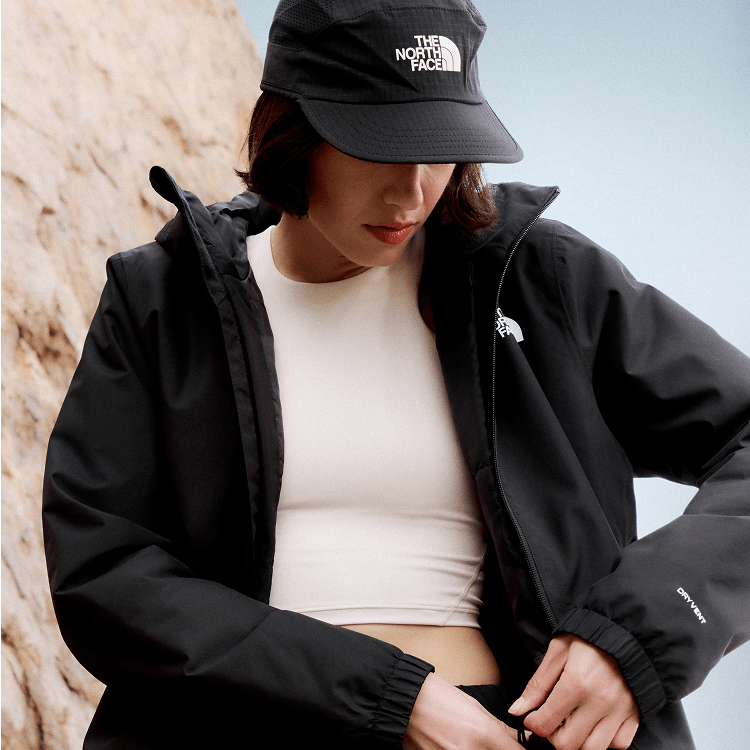
Our women’s windbreakers offer windproof fabrics, DWR finishes, and packable construction. The difference is in the cut; they’re designed specifically for women’s body shapes. Popular options include our Cyclone, as well as our Women's Fontanales Wind Jacket.
Windbreakers for spring training
For outdoor training in spring, a windbreaker jacket is one of the most useful pieces of kit you can own.
Running in a waterproof jacket when it’s not raining means accepting unnecessary weight and heat retention. Running in just a base layer when it’s breezy means fighting wind chill from the first kilometre.
A windbreaker splits the difference. It’s light enough not to notice and effective enough to make the run comfortable. Relaxed-fit windbreakers with stretch panels are well-suited for outdoor training sessions.

How windbreakers fit into a spring layering system
Spring layering is about managing unpredictability. The goal is to be able to add or remove a layer fast, without stopping or slowing down.
A functional spring setup usually resembles something like this:
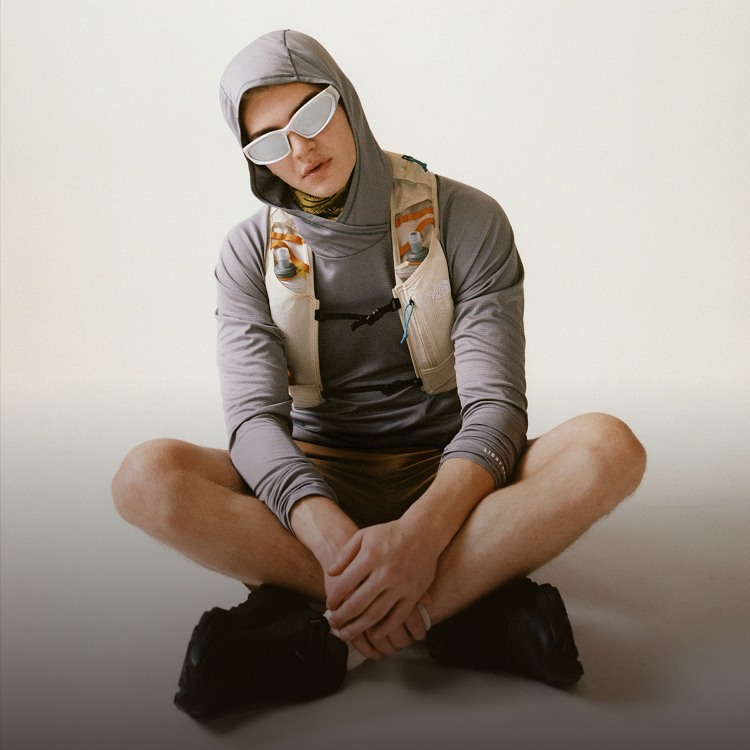
Base layer:
While a traditional base layer is often only needed for extreme cold, consider wearing a next-to-skin technical long sleeve performance top. This will add a little warmth on cold spring mornings as well as helping wick moisture away from the skin.

Windbreaker:
your go-to outer layer for dry, breezy days. Packs away when not needed.

Waterproof shell:
your backup for when the weather turns. Keep it in your pack rather than on your back on most spring days.
The windbreaker sits in that outer layer slot for the majority of spring. It’s the layer you’ll reach for the most.

Finding your windbreaker
Spring doesn’t wait for you to be ready. You simply need to be prepared. Choosing the right windbreaker helps you stay comfortable when conditions change, whether you're running trails, hiking hillsides or exploring closer to home.