Winter Hiking Layering Essentials: Base & Mid Layers
Shop winter base layers for cold days on the trail. Start with next-to-skin tops and tights, then learn when to add a mid layer.
Women’s Winter Base Layers
Compare crew and quarter-zip tops, including merino blends, and find tights to wear under hiking pants.
Men’s Winter Base Layers
Start with a lightweight crew and tights, or explore merino-blend tops and bottoms for your first layer.
FAQ
A base layer is the first piece you wear next to your skin. For winter hiking, that could be a crew or quarter-zip top under your upper layers and a pair of tights under your hiking pants. Look for fabrics designed to manage moisture as you move.
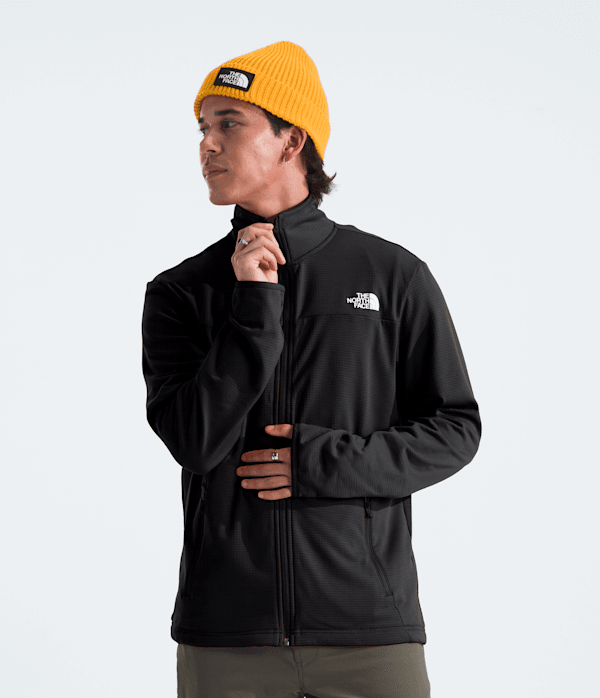
A base layer sits against your skin. A mid layer, such as a fleece, goes over it to add warmth. Keeping them separate lets you take off the fleece on a climb and put it back on when you stop.
Merino blends combine wool with other fibres. Some pair soft merino with a moisture-wicking fabric. Synthetic layers use fibres such as polyester. Compare how each fabric feels against your skin, along with its weight and any moisture-management features listed.
For a brisk hike or a route with steady climbs, start with a lightweight base layer so you can adjust warmth by adding or removing your mid layer. For an easy pace on a colder day, consider a heavier base layer or a warmer fleece.
On a damp coastal trail, start with a base layer and a shell, with room to add a fleece if you need more warmth. For a cold, snowy hike, try base layer tights under your hiking pants and a long-sleeve top under your mid layer.