The North Face Canada Home
Cart - 0 items

Waterproof Alpine Climbing Pants

Explore waterproof climbing pants for alpine routes. Compare shell construction, freedom of movement and cuffs designed for technical mountaineering boots.
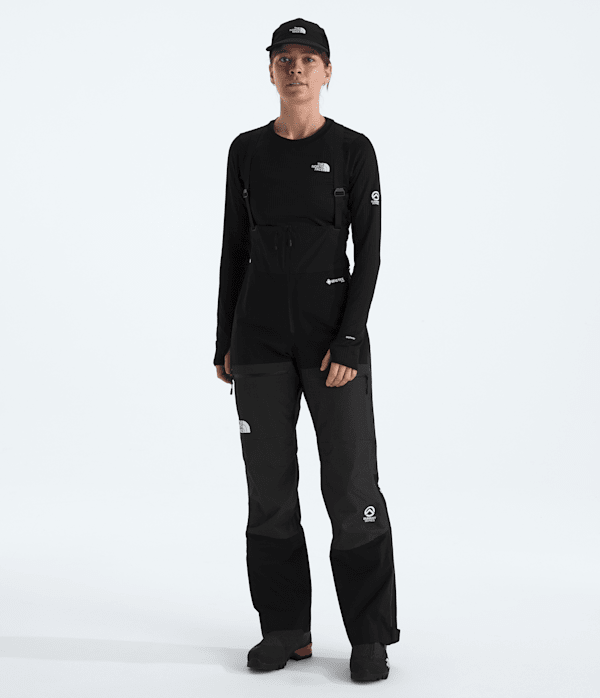
Women’s Summit Series Mountain GORE-TEX® Pro Bibs
tnf Women’s Summit Series Mountain GORE-TEX® Pro Bibs
A waterproof black bib with abrasion-resistant Spectra® ripstop and articulated fit for alpine climbing.
(0)
$910 $910
SALE
$910 $910
SALE
Women’s Summit Series FUTURELIGHT™ AMK Climb Pants
tnf Women’s Summit Series FUTURELIGHT™ AMK Climb Pants
A breathable, waterproof pink climbing pant with durable Spectra™ ripstop and stretch panels for alpine performance.
(0)
$850 $850
SALE
$850 $850
SALE
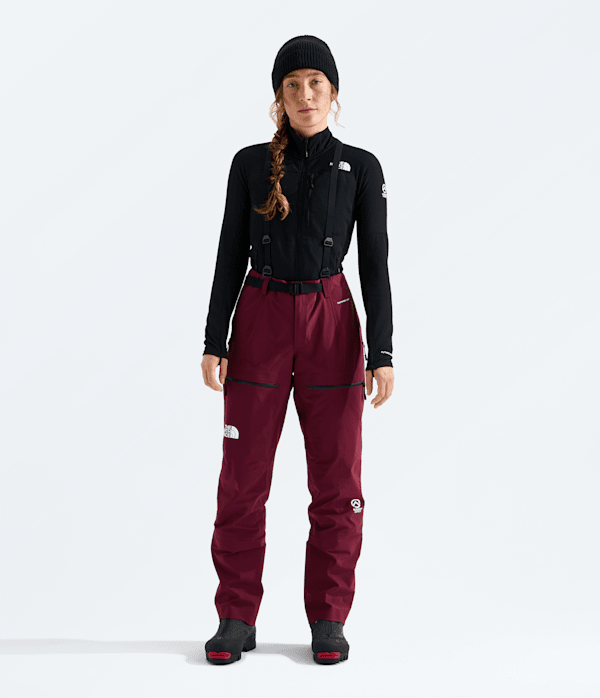
Women’s Summit Series FUTURELIGHT™ Torre Egger Pants
tnf Women’s Summit Series FUTURELIGHT™ Torre Egger Pants
A breathable, waterproof burgundy shell pant with articulated knees and reinforced kick patches for climbing and snow adventures.
(0)
$720 $720
SALE
$720 $720
SALE
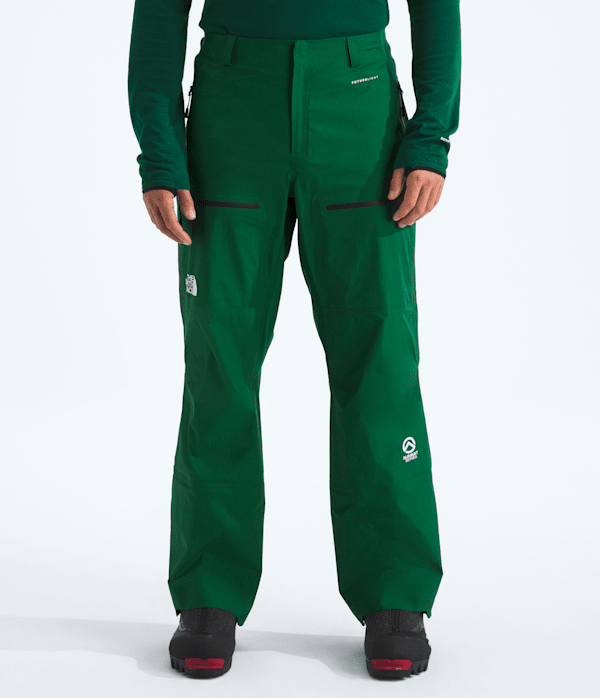
Men’s Summit Series FUTURELIGHT™ AMK Climb Pants
tnf Men’s Summit Series FUTURELIGHT™ AMK Climb Pants
A pair of breathable-waterproof green pants with Spectra™ ripstop and stretch fabrics for alpine climbing.
(1)
$850 $850
SALE
$850 $850
SALE
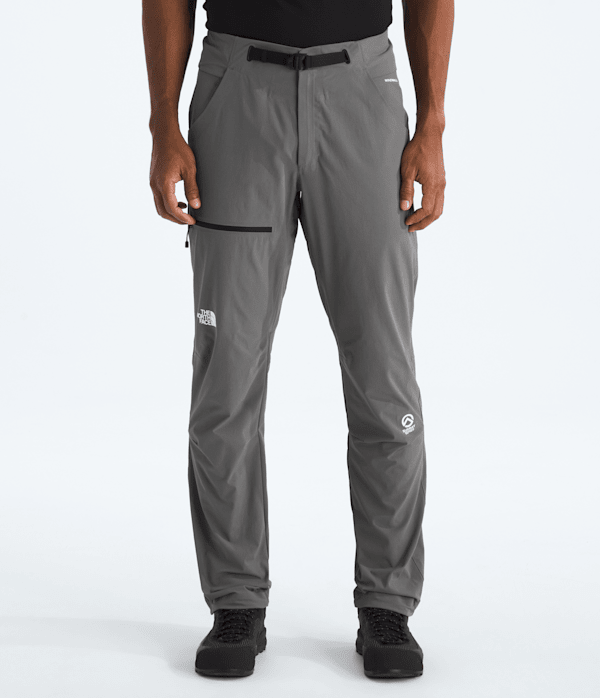
Men’s Summit Series FUTURELIGHT™ Torre Egger Pants
tnf Men’s Summit Series FUTURELIGHT™ Torre Egger Pants
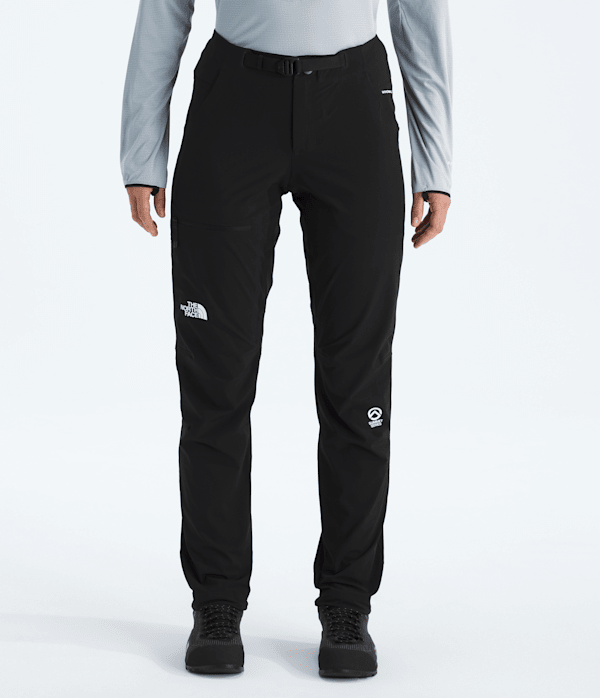
A pair of black, breathable-waterproof pants with articulated knees and reinforced kick patches for climbing.
(2)
$720 $720
SALE
$720 $720
SALE

Waterproof Alpine Climbing Pants

Choose waterproof climbing pants around the demands of your route and the equipment you already use. For alpine climbing, shell construction, mobility and boot compatibility all deserve attention. Compare each style’s stated waterproof and breathable properties alongside its intended activity, rather than choosing on appearance alone. Movement-focused details can include articulated knees or targeted stretch fabrics, two different approaches to supporting freedom of movement. Consider how you move through high steps, bent-knee positions and extended reaches, then look for construction designed to accommodate those movements. These details help distinguish technical climbing shells from everyday outdoor trousers.

Cuff design is an important consideration when building an alpine kit. Narrower leg openings designed for mountaineering or ice-climbing boots offer a different profile from openings intended for ski boots. Check the stated compatibility for each style rather than assuming all mountain pants work with the same footwear. Where provided, hem adjustments give you another way to refine the opening around your boots. At the waist, compare adjustment systems, belt loops and back-waistband construction. Think about how those details will work with your preferred layers and harness, and check that the combination allows comfortable movement without unnecessary bulk.

Durability also comes down to where and how a garment is reinforced. Look for descriptions that identify ripstop fabrics, reinforced kick patches or other targeted construction, then weigh those details against your intended use. A design with reinforcement in specific areas offers a different approach from one that emphasizes stretch in key movement zones. Neither detail tells the whole story on its own. Review the fabric, cut, waistband and hem together to understand how the garment fits into your kit. For experienced climbers, that means choosing a shell around familiar equipment and route requirements, not simply adding more features.

FAQ

Skip to Main Content