
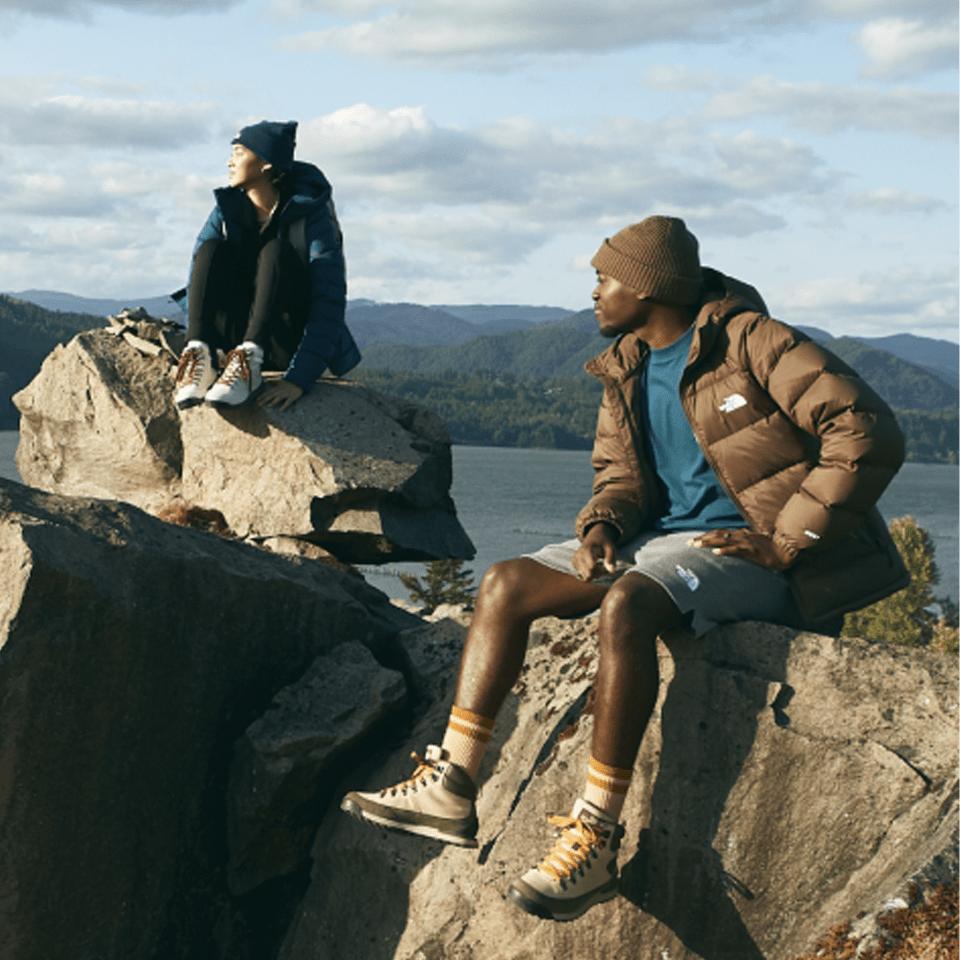
What’s the Difference Between Mountaineering and Hiking?
At first glance, hiking and mountaineering may seem similar. They both get you outdoors, moving over natural terrain. But while hiking can be a leisurely walk through nature or a moderate trek up a mountain trail, mountaineering is a more technical, high-stakes activity that requires advanced skills and preparation.
Understanding the distinctions can help you choose the right adventure and ensure you’re equipped with the proper gear.
Differences Between Terrain and Environment
Hiking usually takes place on well-marked trails or established paths. Hikers encounter a range of environments, from forest floors and lakeshores to moderate mountain trails. Trail conditions are generally predictable, making route planning straightforward.
Mountaineering, by contrast, often occurs in remote, rugged, and high-altitude terrain. Mountaineering involves not just hiking but climbing, often using ropes, harnesses, crampons, ice axes, helmets, and other equipment. Climbers navigate glaciers, snowfields, rocky ridges, and steep ascents. Weather can change rapidly, and routes may not be clearly marked, requiring careful planning and advanced navigational skills.
It makes sense that both activities require separate apparel and footwear that ensures both safety and comfort.
The Physical Demands of Mountaineering vs. Hiking
While hiking can be tailored to your fitness level, mountaineering demands a higher degree of physical conditioning.
Hiking focuses on endurance, pacing, and cardiovascular fitness. Most hikers carry hiking packs so that they can enjoy longer treks without specialized training.
Mountaineering combines endurance, strength, and technical skills. Climbers often carry heavier packs containing ropes, ice axes, and other technical gear. Altitude changes and exposure to extreme weather add additional physical challenges.
Gear Differences: Mountaineering Boots vs. Hiking Boots
Your footwear is one of the most critical pieces of gear, and the difference between hiking boots and mountaineering boots is significant. It doesn’t matter if you’re looking for men’s or women’s hiking boots.
Hiking Boots:
- Lightweight and flexible
- Optimized for comfort and traction on trails
- Best for dirt paths, rocks, and muddy terrain
Mountaineering Boots:
- Heavier, stiffer, and insulated for cold conditions
- Designed to handle technical climbs and steep slopes
- Compatible with crampons for ice and snow gear
Skills and Preparation
Hiking requires minimal technical knowledge. Basic map reading, trail navigation, and awareness of outdoor safety are usually enough. All you need is some reliable hiking gear for women and men.
Mountaineering, on the other hand, demands advanced skills such as rope handling and knots, ice axe techniques, crevasse rescue, and glacier travel, as well as route planning in unpredictable conditions.
Proper training, preparation, and the right equipment can make mountaineering a safer and more enjoyable experience.
Choosing the Right Activity for You
When deciding between hiking and mountaineering, consider your goals, experience, and the type of adventure you’re seeking.
- Hiking: Perfect for those who enjoy scenic outdoor exercise, moderate trails, and minimal technical challenges.
Mountaineering: Ideal for those seeking adventure in remote, challenging environments and willing to invest in technical training and equipment.
Whether you’re strapping on waterproof hiking boots for a day-long trek or mountaineering boots for a high-altitude climb, understanding the differences between hiking and mountaineering ensures better preparation, safety, and enjoyment. Plan carefully, choose your gear wisely, and embrace the outdoors with confidence. And check out The North Face for whatever you need for your next adventure.