

How to Choose the
Best Winter
Walking Jacket
Winter walking asks a lot of a jacket. It might need to deal with driving rain on a hillside, damp coastal wind on a flat estuary path, or any other number of winter weather challenges. Then it needs to breathe well enough that you’re not soaked from the inside by the time you reach the top.
No single construction does everything perfectly. This guide lets you grasp a firm understanding of all the options before you buy.
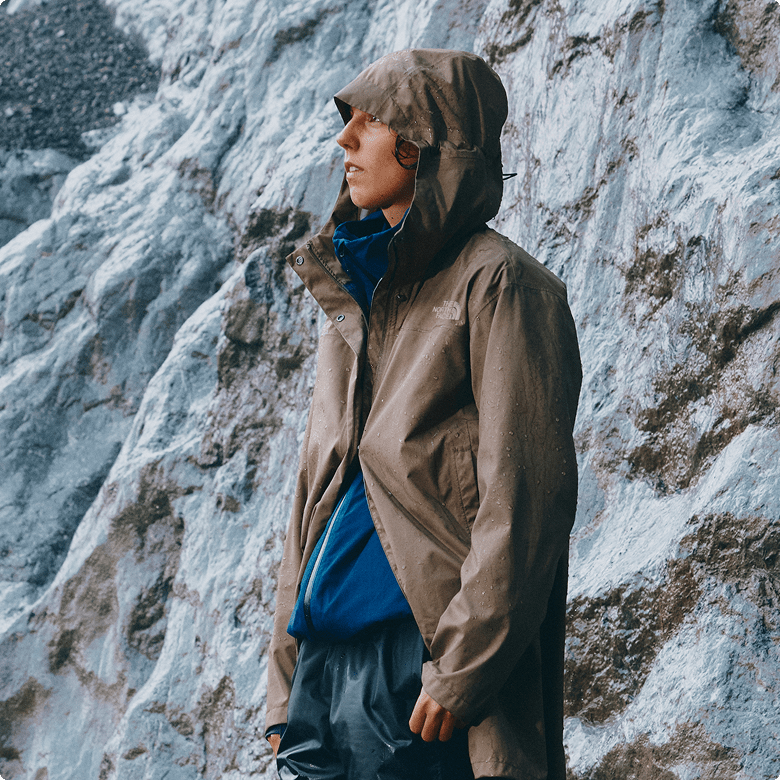
What Makes a Good Winter Walking Jacket?
The qualities that make a jacket good for summer hiking are similar to those that make one good in winter - waterproofing, breathability, and packability. However, the weighting shifts a fair bit when temperatures drop.
In winter, warmth and wind resistance become a primary consideration. A jacket that handles a light autumn shower may offer nothing useful against a February gale at elevation. The consequences of getting it wrong are also more serious - wet and cold together is a much more dangerous combination than wet and warm.
A good winter walking jacket keeps rain out, holds warmth, and breathes well enough that prolonged effort doesn’t leave you wet from the inside. The difficult part is that these three requirements pull against each other.
More waterproofing generally means less breathability. More insulation means more weight and less packability. Every jacket has some trade-offs - understanding yours is what makes the decision easier.
Waterproof, Insulated or Breathable?
The first decision in choosing a winter walking jacket is construction type.
Three main options cover the majority of walking scenarios.
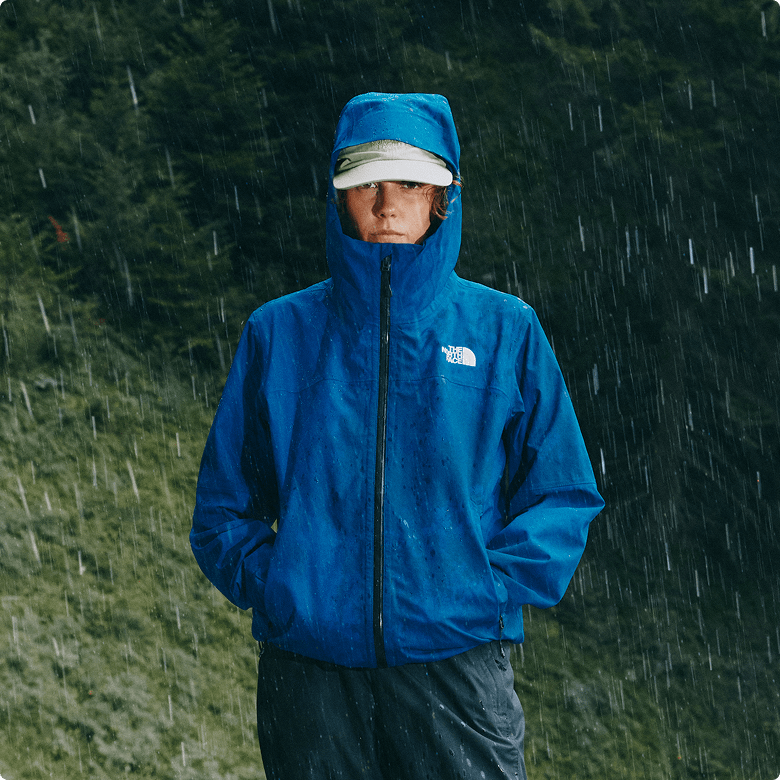
Waterproof shell
A non-insulated, waterproof outer layer, and the foundation of any serious winter layering system.
A waterproof shell keeps rain and wind out while relying on a mid-layer beneath for warmth. This gives you the flexibility to add or remove the mid-layer as conditions and effort levels change.
DryVent shells use a seam-sealed membrane that blocks rain while allowing moisture vapour to escape. For hill walking or multi-day hikes, a shell and a good mid-layer is usually the most versatile winter hiking jacket setup.
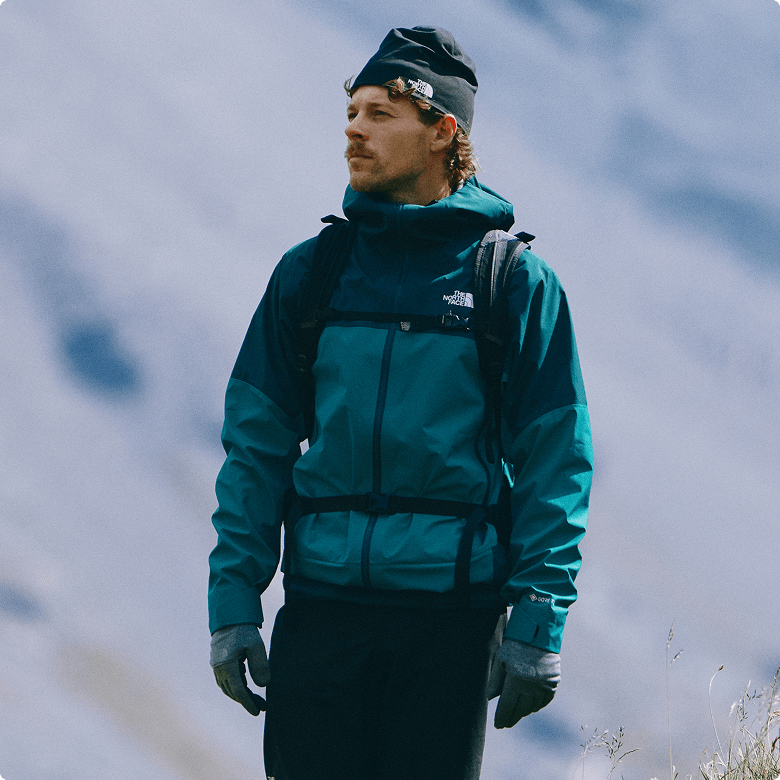
Insulated waterproof jacket
A waterproof outer with insulation built in - warm off the bat but less breathable under sustained effort.
An insulated waterproof jacket doesn't breathe as well as a shell, which is noticeable if you’re moving hard for extended periods. For woodland walks, low-level winter routes, or town-to-trail use in wet and cold conditions, it's the optimal choice.
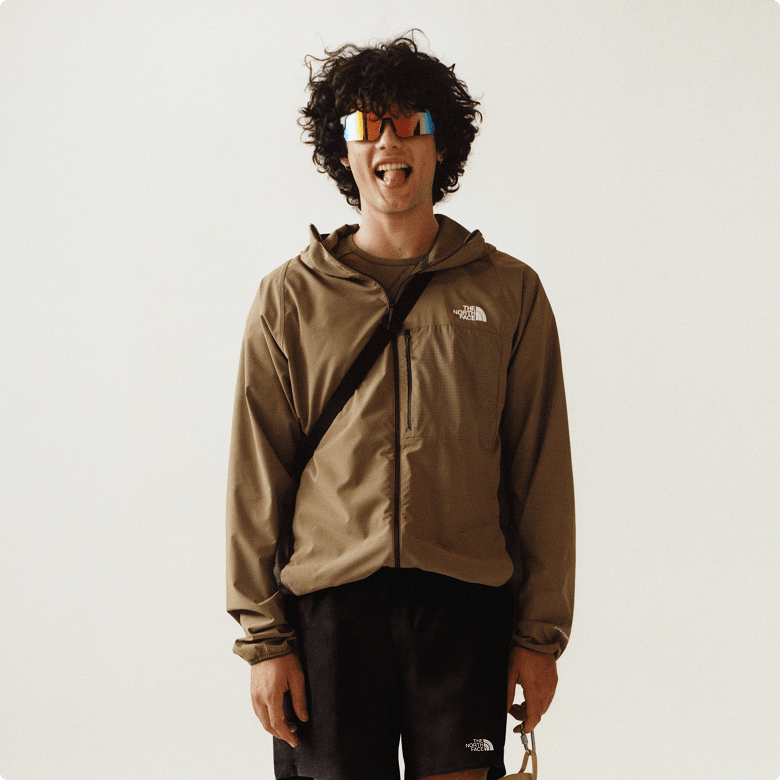
Warm walking jacket
An insulated, water-resistant jacket - not fully waterproof but the right choice for cold, dry conditions.
DWR-treated insulated jackets handle light showers and damp conditions, but are not the right choice for heavy rain. They perform best as a mid-layer under a shell or as a solo layer for cold, dry days. The HeatSeeker insulation option is particularly effective at trapping warmth without the bulk.
Key Features to Look For
Depending on your walking route and the conditions you expect to encounter, you’ll want to mull over a few features.
Waterproof rating and seam sealing
A jacket described as waterproof needs a laminated membrane and seam-sealed construction. DWR alone handles light rain but wets out in sustained downpours. For winter hill walking and anything more exposed, full seam sealing is essential. GORE-TEX® technology is perfect for ensuring you stay dry and comfortable no matter how heavy the rain you find yourself in.
Hood design
A fixed, non-adjustable hood is the single most common point of failure in a winter walking jacket. In wind-driven rain, a hood that doesn’t cinch down over a hat becomes redundant within minutes. For serious winter use, look for a helmet-compatible, wired-brim hood with at least two adjustment points.
Layering compatibility
A winter jacket worn over a base layer only is not a winter system. The best winter walking jackets accommodate a mid-layer without feeling restrictive. Check the fit across the shoulders and through the arms when wearing a fleece or lightweight insulated piece underneath.
Weight and packability
A jacket you leave in the car because it takes up too much space is worse than no jacket at all. For day walks where the jacket might not be needed for most of the route, packability is key. For multi-day routes where it’s on your back all day, durability and warmth-to-weight ratio are more important.
Pit zips
Underarm ventilation zips are underrated in winter. When pace picks up on a steep section, the option to open the jacket without removing it is more useful than it sounds.
Choosing a Jacket for Different Winter Walks
The walk decides the jacket. Here’s how you can match the construction to the terrain.

Everyday and low-level walking
An insulated waterproof jacket or a water-resistant warm walking jacket covers most conditions on maintained paths, woodland routes, and low-level coastal walks. Full seam-sealed waterproofing is a comfort upgrade rather than a safety necessity at this level.
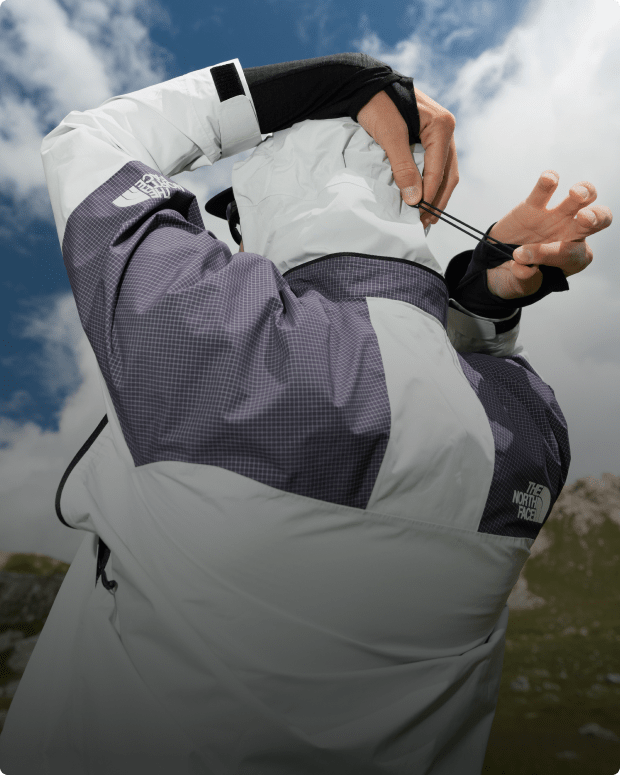
Hill walking and longer day routes
A waterproof shell with a quality mid-layer is the more capable system. Conditions at higher elevation in winter can shift, so layering lets you adapt without overheating on the ascent or getting cold at the top. Look for a seam-sealed, breathable shell with an adjustable hood and pit zip venting.
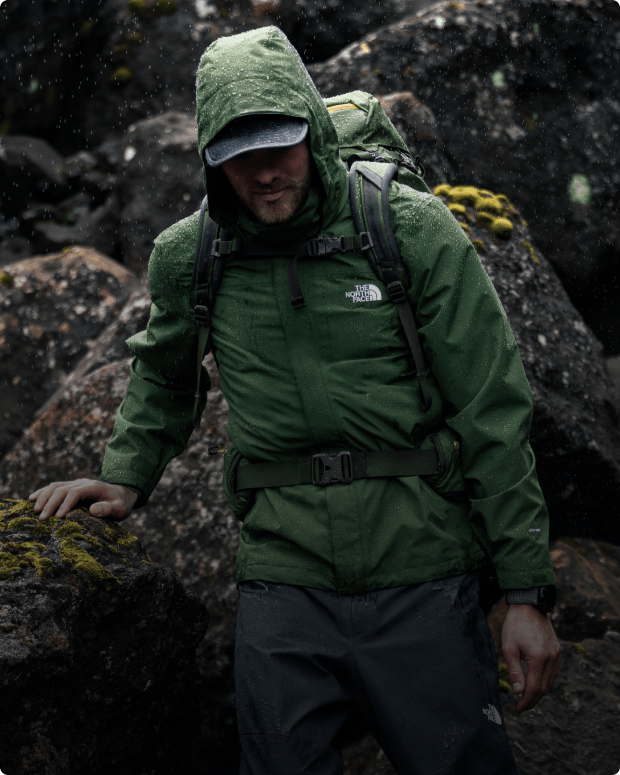
Hiking in exposed or technical terrain
The best winter coat for hiking in exposed or technical terrain is a GORE-TEX Pro or DryVent 3L shell. Higher-performance membranes breathe better and cope with more abrasive conditions than lighter constructions. This is where the Mountain Jacket excels.
Choosing the Right TNF Winter Jacket
For muddy field paths to moderate hill routes, a Quest DryVent™ Jacket waterproof shell provides reliable rain protection. Pair it with a fleece or mid-layer, and you have a system that adapts from a mild January walk to a cold February day on the fells. For walks where the cold is the main challenge, or if you prefer a one-jacket approach, an insulated waterproof jacket is perfect.
Not sure which construction suits you? Our Jacket Finder works through your activity, conditions, and priorities to narrow down your search.
Shop men’s waterproof jackets and women’s waterproof jackets at The North Face.
Winter Walking Jacket FAQs
A waterproof walking jacket uses a sealed membrane to block rain, but it may not be insulated. A warm walking jacket is typically insulated, but might only be water-resistant instead of fully waterproof. For winter use in the UK, you want both properties, either combined in one jacket or split across a shell and mid-layer system.
Look for a laminated membrane - DryVent or GORE-TEX, and seam-sealed construction. A jacket described as water-resistant or treated with DWR only is not waterproof. It will handle light rain but will wet out in sustained conditions. Seam sealing is as important as the fabric, as even a waterproof membrane leaks at unsealed stitch holes.