
The Evolution of GORE-TEX:
From Summit to Street
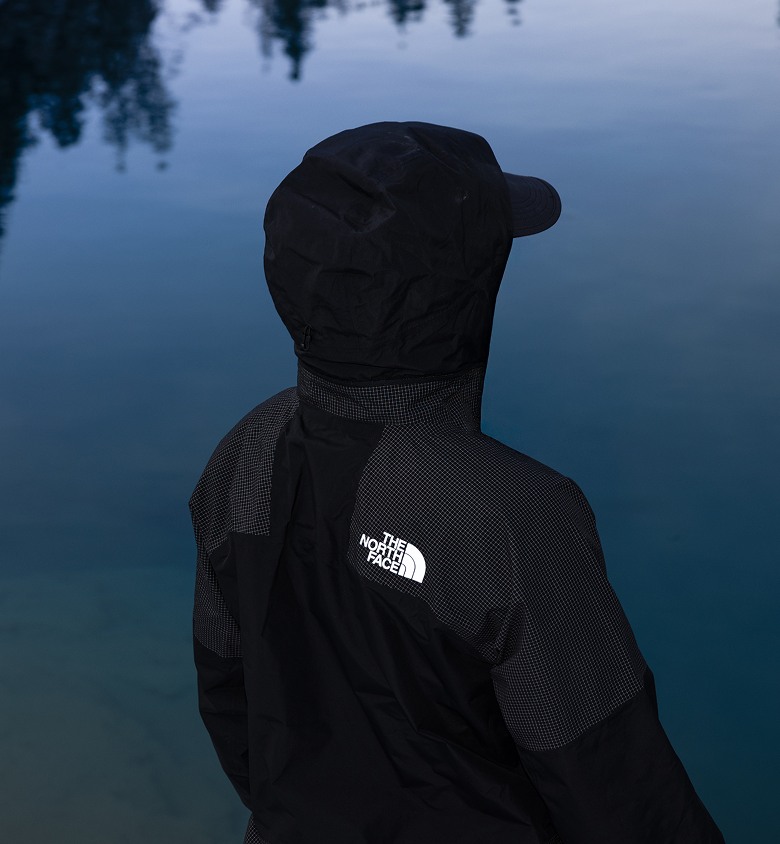
Few materials have genuinely changed what humans are able to do outdoors. GORE-TEX is one of them. Since its discovery, it’s gone from a lab accident to the standard by which waterproof performance is measured.
Worn by Himalayan climbers, Antarctic expeditioners, and anyone navigating a British autumn, the history of GORE-TEX is worth exploring.
What is GORE-TEX Technology?
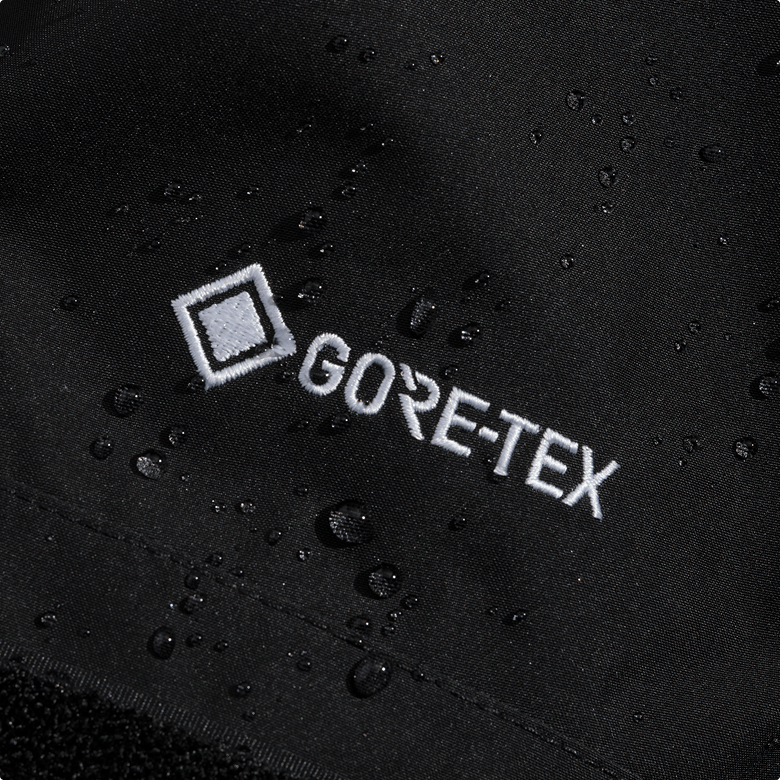
GORE-TEX is a waterproof, breathable membrane made from expanded polytetrafluoroethylene - ePTFE. The membrane sits in the middle of an outer fabric and inner lining. This forms a barrier that liquid water cannot penetrate, but water vapour can pass through.
The microporous structure contains approximately nine billion pores per square inch. The result is a jacket that keeps rain out and lets perspiration escape simultaneously. Two things that, before 1969, were considered mutually exclusive in outerwear
When was GORE-TEX Invented?
In 1969, Robert “Bob” Gore was working alone in the lab of W.L. Gore & Associates, investigating a polymer called PTFE. The task was to stretch the material into pipe-thread tape to save costs, but the material kept breaking under gradual extension.
In frustration, rather than slowly stretching the heated material, he suddenly and quickly yanked it. The solid PTFE then stretched around 800%, creating a microporous structure that was about 70% air.
It was a complete accident. The optimal conditions for stretching PTFE turned out to be entirely counterintuitive. Bob Gore had stumbled onto them out of sheer impatience. He combined these stretched membranes with nylon and polyester to create a waterproof laminate and filed a patent in 1976.
The first commercial GORE-TEX products - tents, followed by rainwear - went on sale that same year. The history of GORE-TEX clothing had begun.
How GORE-TEX Changed Mountain Exploration
The late 1970s and 1980s were a period of intense high-altitude ambition. Jackets designed for extreme conditions were bulky, heavy, and unable to breathe effectively. You could stay dry or comfortable under exertion, but not both.
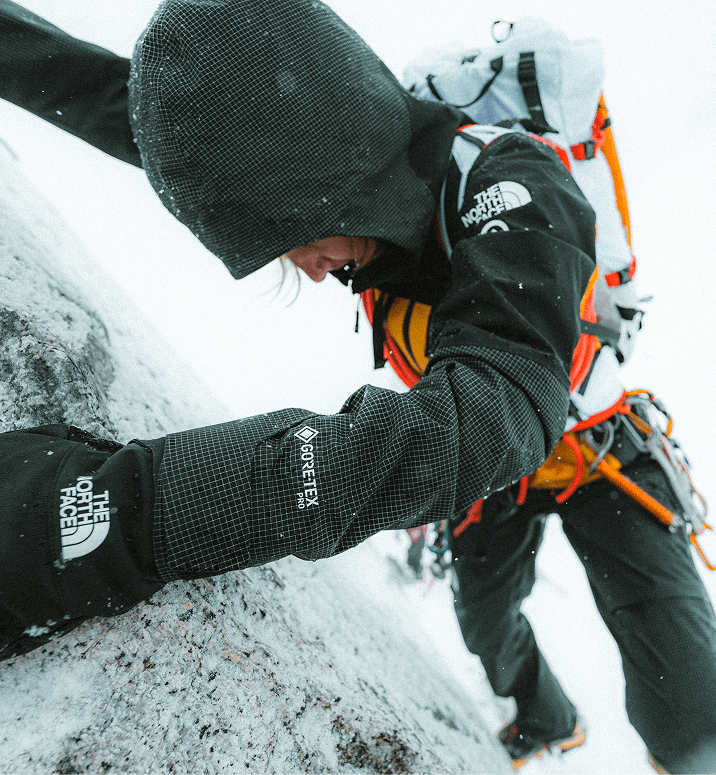
GORE-TEX changed the equation. Reinhold Messner and Peter Habeler summited Everest without oxygen, wearing GORE-TEX products. Their achievement proved what breathable protection could enable in the most unforgiving environments.
The North Face was an early adopter, using the material on pieces like the Grizzly Peak Mountain Parka, before the 1985 Mountain Jacket. Introduced in royal blue and yellow, the Mountain Jacket was the centrepiece of the Expedition System. A modular layering setup designed for the world’s most demanding summits, with GORE-TEX at its core.
In 1997, mountaineer Conrad Anker donned a red Mountain Jacket for the first ascent of Antarctica’s 7,759-foot Rakekniven Peak. By then, the jacket had already started doing something its designers hadn’t planned for.
How GORE-TEX Became Part of Everyday Style
The shift from summit to street didn’t happen by design.
The GORE-TEX fashion story is inseparable from New York in that decade. The Mountain Jacket found an audience in the five boroughs that had nothing to do with climbing. The jacket’s weather protection was genuinely useful in a city, and its look was distinct. LL Cool J wore the Mountain Jacket on the red carpet two years before Conrad Anker wore one to summit Antarctica.
By the mid-1990s, GORE-TEX products were entrenched in popular culture, referenced in sitcoms like Seinfeld and the lyrics of artists such as The Fugees. The brand had crossed from technical specification to cultural shorthand. Saying a jacket was GORE-TEX meant quality, durability, and a certain seriousness about gear.
That cultural cachet has only compounded since. The TNF x Supreme Mountain Jacket collaborations further pushed GORE-TEX construction into the streetwear conversation. And the 1990 Mountain Jacket retro releases continue to sell out.
Iconic TNF GORE-TEX Pieces
The GORE-TEX clothing history at The North Face spans four decades. A handful of pieces define it.
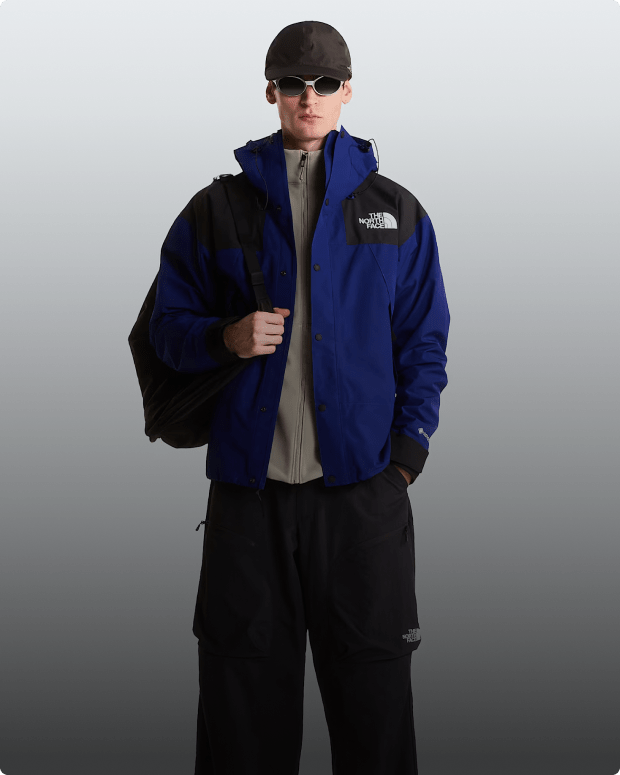
The Mountain Jacket (1985)
The original. Developed as part of the Expedition System, the Mountain Jacket remains one of the most recognisable pieces of outerwear. The 1990 Mountain Jacket retro, a near-exact replica of the updated 1990 version, is the piece most associated with the streetwear crossover.
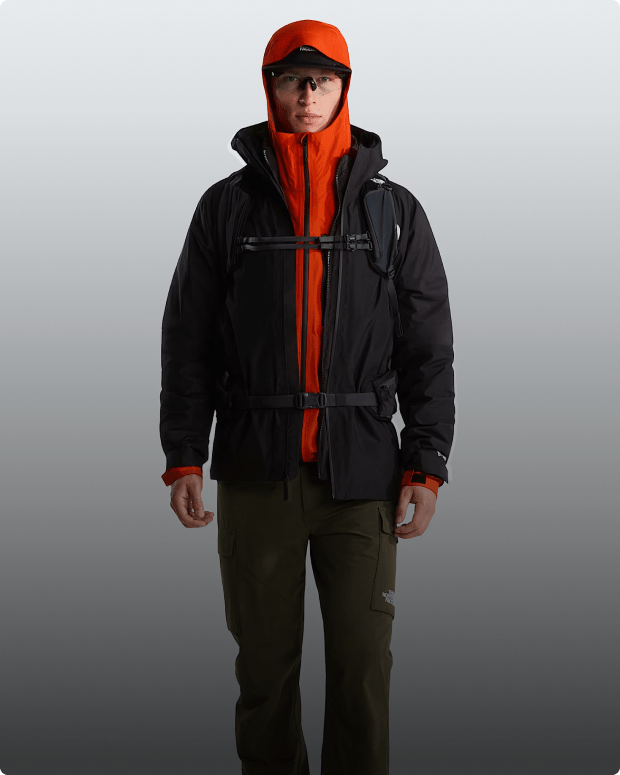
The Mountain Light Jacket (1988)
The lighter sibling of the Mountain Jacket, built for the same performance requirements in a more packable format. The Mountain Light Jacket became one of the best-selling GORE-TEX jackets of its decade, establishing GORE-TEX products in both extreme environments and everyday outdoor culture.
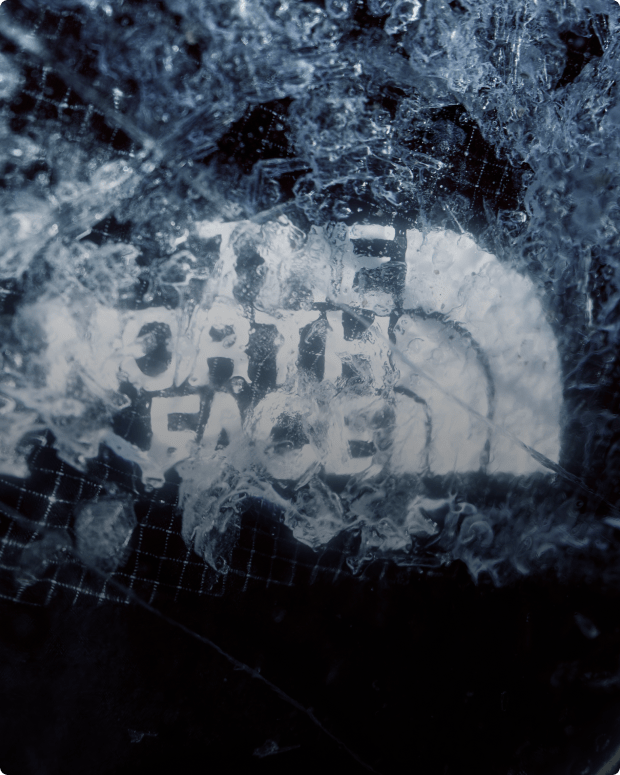
The 1990 Antarctica Jacket
Produced for The North Face’s Trans-Antarctica Expedition, in which a team of six crossed more than 3,700 miles of Antarctica in 220 days. These expedition-specific GORE-TEX jackets are now among the most collectable pieces TNF has ever produced.
Why GORE-TEX Is Still Popular Today
Five decades after a frustrated yank in a Delaware lab, GORE-TEX remains the benchmark for waterproof membranes. That’s not inertia; it’s performance.
Part of the answer is trust built across generations of outdoor use. A material that went to Everest and crossed Antarctica carries a credibility that no marketing campaign can. When people reach for a GORE-TEX jacket, they know what they’re getting.
Part of it is the continued technical relevance. Gore’s patents on the ePTFE expired in 1997, and competitors have made a case for themselves at moderate activity levels. But GORE-TEX evolves in parallel: GORE-TEX Pro for high-output mountaineering, GORE-TEX Paclite for packability, GORE-TEX Infinium for everyday breathability. The original membrane that was 70% air has become a family of technologies.
And part of it is cultural. The same technology that kept climbers dry at altitude is worn on the school run, at music festivals, and on the commute. That crossing of context, from summit to street, is one of the more remarkable stories in outerwear.
It happened because the technology was good enough, and because a generation of New Yorkers decided that what worked on a mountain looked pretty cool on a pavement too. Today, that same DNA runs through everything we make, whether you need the tested and proven Summit Series, or the multi-season versatility of a Triclimate jacket.
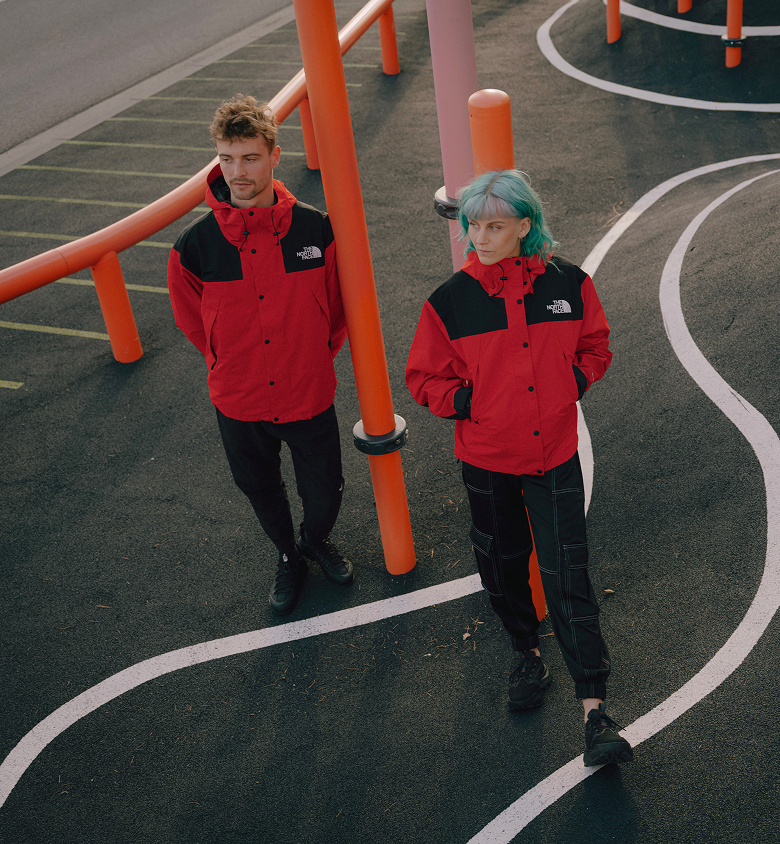
Browse our men’s jackets and women’s jackets to find the current generation of TNF GORE-TEX outerwear.