
The North Face Waterproof Bags Guide
Rain, spray and rough handling are part of the adventure. The difference is whether your bag is built to keep your gear protected when conditions take an unexpected turn. This guide explains how waterproof bags work, when you need full waterproofing, and how to choose the right technical outdoor bag.
Do I need a waterproof bag?
Whether you need a waterproof bag depends on the level of water exposure you’re expecting. Most people don’t need a completely waterproof bag for everyday use.
A water-resistant bag handles rain and light splashes without issue. But if you’re kayaking, white-water rafting, hiking in sustained heavy rain, or checking gear into the hold of a boat, water resistance isn’t enough. You need a bag that can handle submersion or prolonged saturation without letting water in.
The honest version: most bags marketed as waterproof are actually water-resistant. Knowing the difference is the most useful thing you can do before buying.
Waterproof vs water-resistant

Water-resistant bags use fabrics with a durable water repellent (DWR) finish, causing water to bead on the surface, not soak in.
They’ll handle rain and light splashes, but prolonged exposure to heavy downpours can eventually overwhelm the fabric. Seams and zips on water-resistant bags are not always sealed, which is where water enters first.

Waterproof bags go further. They use one of two main construction methods.
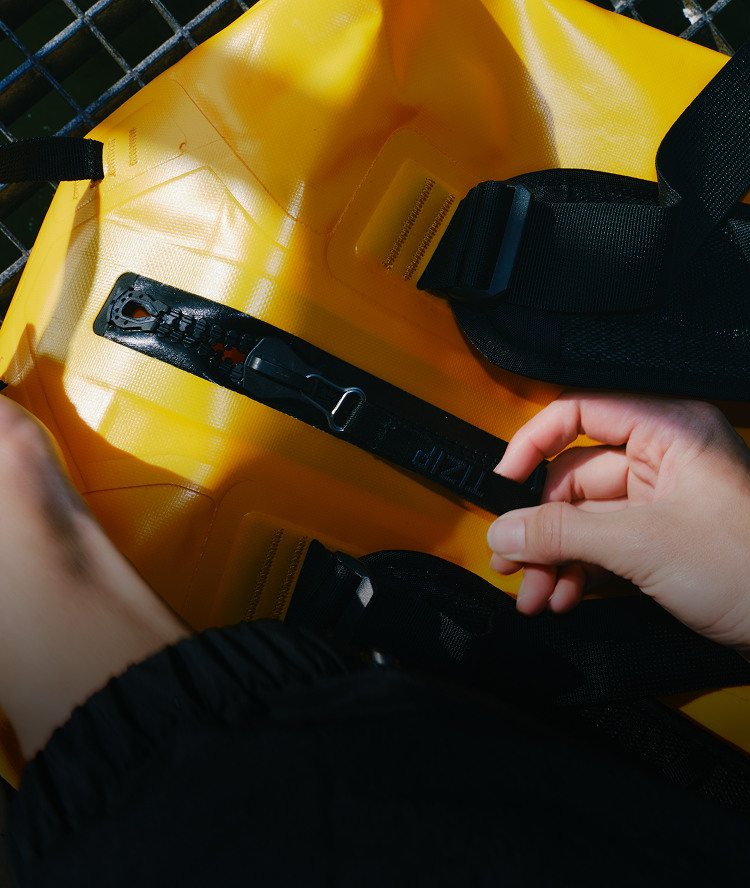
Welded seams: instead of stitched seams, welded construction uses heat or RF welding to bond the fabric together, with no gaps for water to enter.
Taped seams: waterproof tape seals stitched seams, blocking any holes left by the needle.
Are dry bags waterproof?
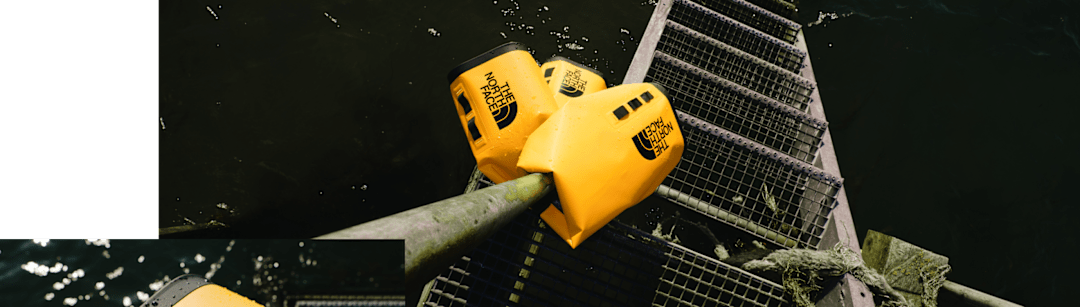
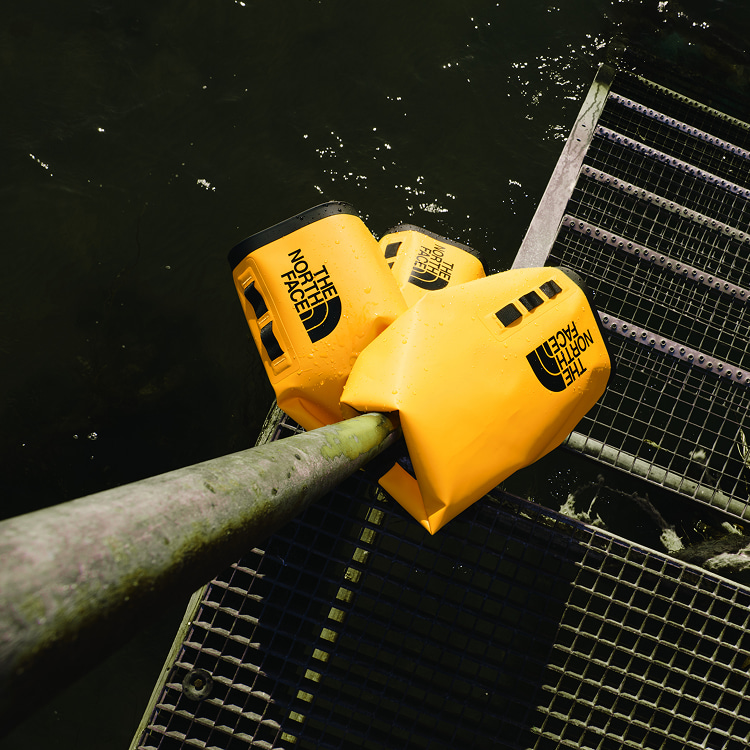
A closed and secure dry bag is fully waterproof, including submersion. This is what makes them different from water-resistant bags. A dry bag’s roll-top closure creates an airtight seal when rolled down and clipped shut. The key here is “closed”: a dry bag that’s only rolled partway won’t hold against submersion.
Dry bags are the go-to choice for water sports, river crossings, and any time when full submersion is possible. They’re also useful inside a larger bag as an extra layer of protection for electronics, documents, or anything that can’t get wet.
What to look for in a waterproof bag
Not all waterproof bags are the same. Two bags can both carry a waterproof label and perform in different ways. Here’s what to look for in a waterproof bag.
Roll-top closures
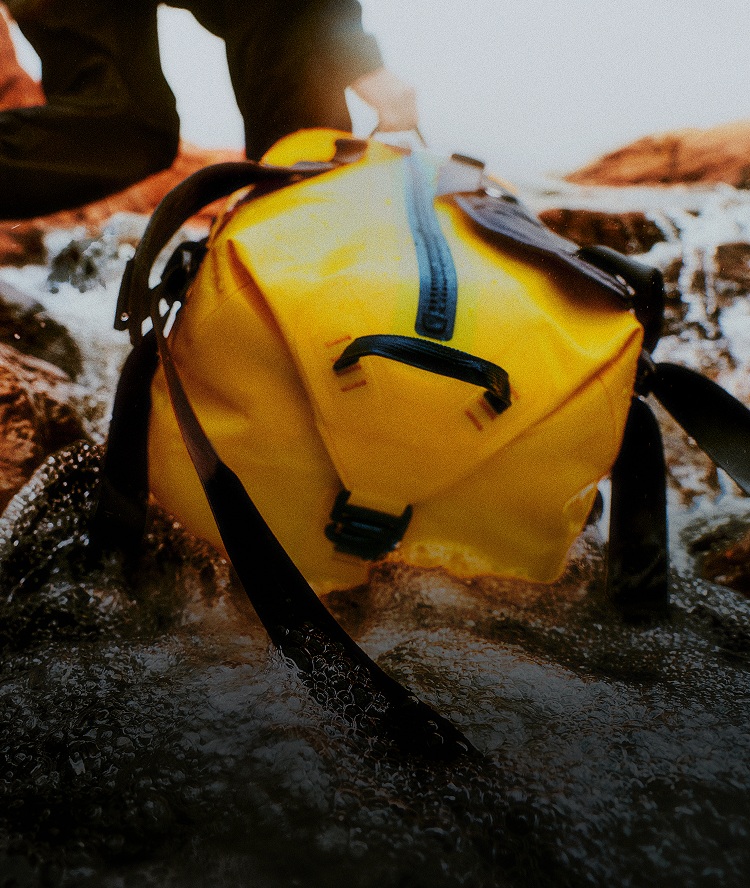
The roll-top is the most reliable waterproof closure system. Rolling the opening down at least twice removes all the air and creates a mechanical seal before the clip closes. Most serious waterproof bags use this system. The trade-off is quick access, since a roll-top takes a little longer to open and close than a zip.
Welded vs stitched construction
On a waterproof bag, look for welded or thermal-bonded seams rather than stitched ones. On a water-resistant bag, taped seams are handy for greater protection. Water-resistant bags with stitched, untapped seams will wet out faster than taped alternatives.
Fabric
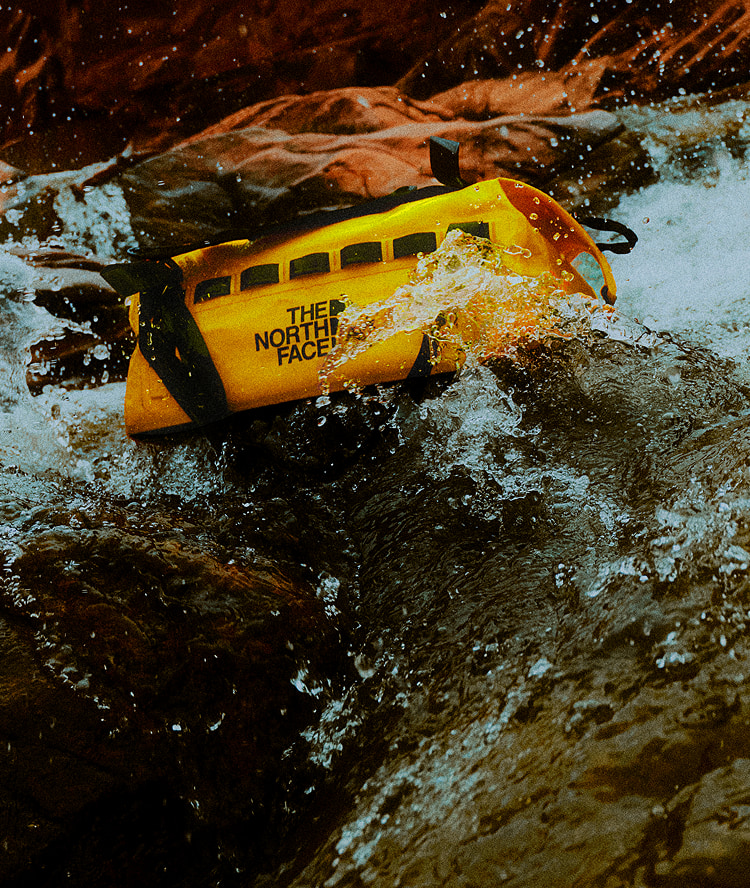
Waterproof bags often use coated nylon or PVC-laminated materials. The Base Camp range uses a durable TPU-laminated fabric designed to deliver an impenetrable barrier to rain and moisture. Heavier fabrics are more durable but add weight, while lighter coated nylons work well when packability matters.
Matching the waterproof bag to the adventure
Getting wet is rarely the plan. But the consequences of it - soaked electronics, ruined documents, wet kit - are avoidable if you’ve got the right bag for the job.
Water sports
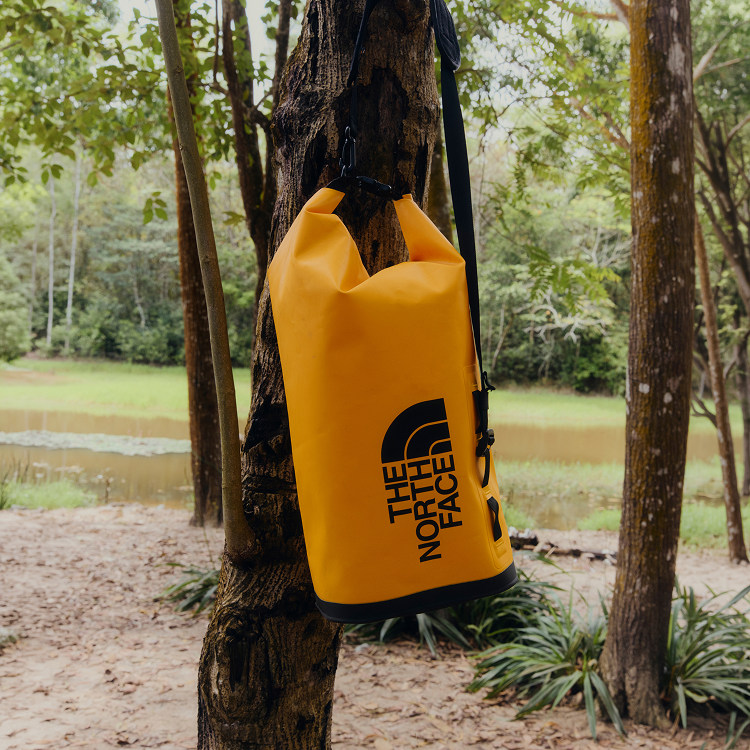
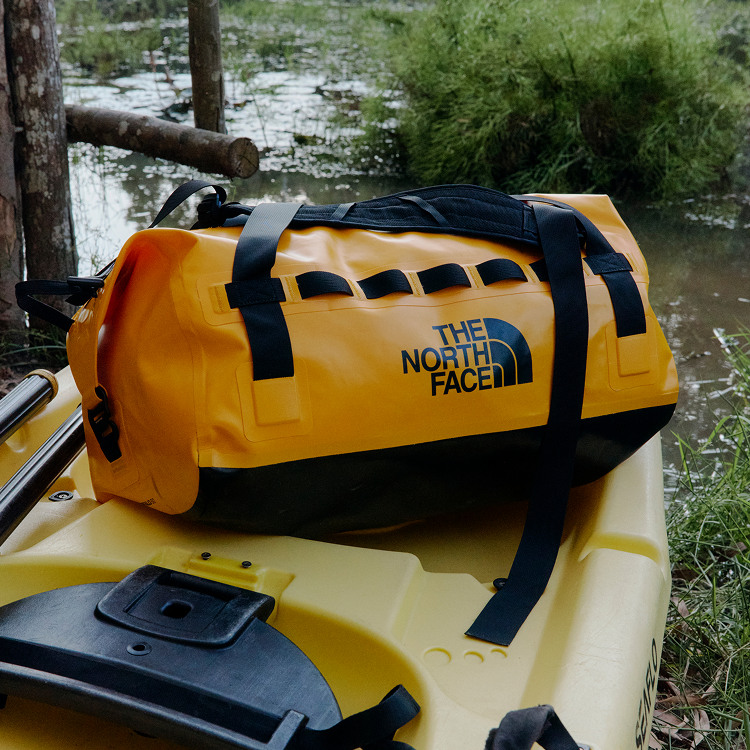
Full waterproofing and submersion resistance are non-negotiable for water sports. A dry bag is the correct choice, keeping your gear protected even if the bag goes in the water.
Choosing one with a roll-top closure is essential. Daisy chain webbing or lash points let you secure the bag to a kayak or raft without drifting away.
Base Camp Dry Bags are available in 8L, 12L, and 18L and use the same Base Camp material used across the expedition range. A Hypalon collar is easier to roll, and a reinforced bottom handles the abuse that comes with water sports. When rolled and secured correctly, the closure creates a reliable seal that helps keep gear protected from water ingress.
Hiking and trekking
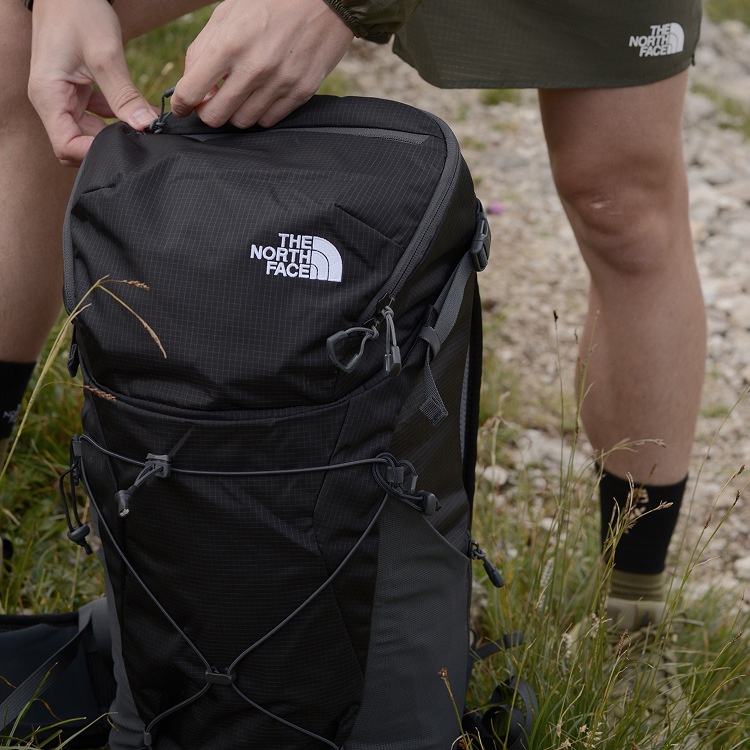
For hiking standard hiking a water-resistant backpack is often sufficient, but sustained heavy rain on a long day out can quickly test the limits of a DWR finish. A waterproof roll-top backpack or waterproofing your main bag with a dry bag liner gives you coverage when the weather turns.
Our hiking backpack range includes waterproof options, with taped seams and roll-top construction. When conditions are severe, be sure to check waterproofing specs on your bag.
Travel
Travel bags call for a different balance. Weather protection is important, but organisation, comfort, and practicality take priority over full waterproofing. For most travel scenarios, a water-resistant duffel or suitcase with good seam construction is enough. Luggage holds protect your bag from rain, and sustained submersion isn’t a realistic risk.
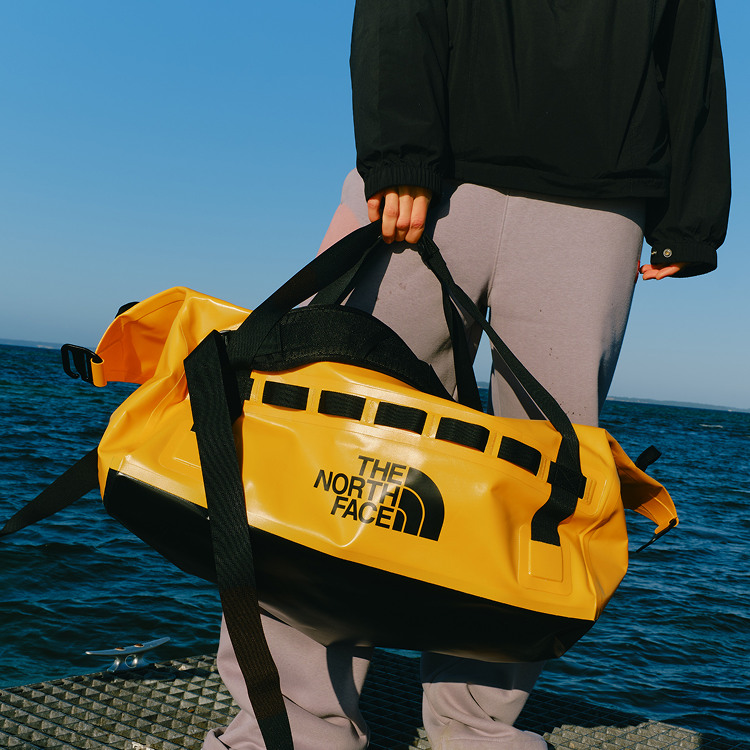
For travellers who are looking for a higher level of waterproof protection, the Base Camp Waterproof Duffel combines welded construction with an impenetrable TPU-laminated fabric and can be carried as either a backpack or a duffel.
For travel where organisation matters as much as weather protection, the Voyager range offers a practical balance of weather protection and versatility. With greater weather protection over a standard zip opening, the Base Camp Voyager Rolltop is ideal for city travel and day trips.
Multi-day adventures
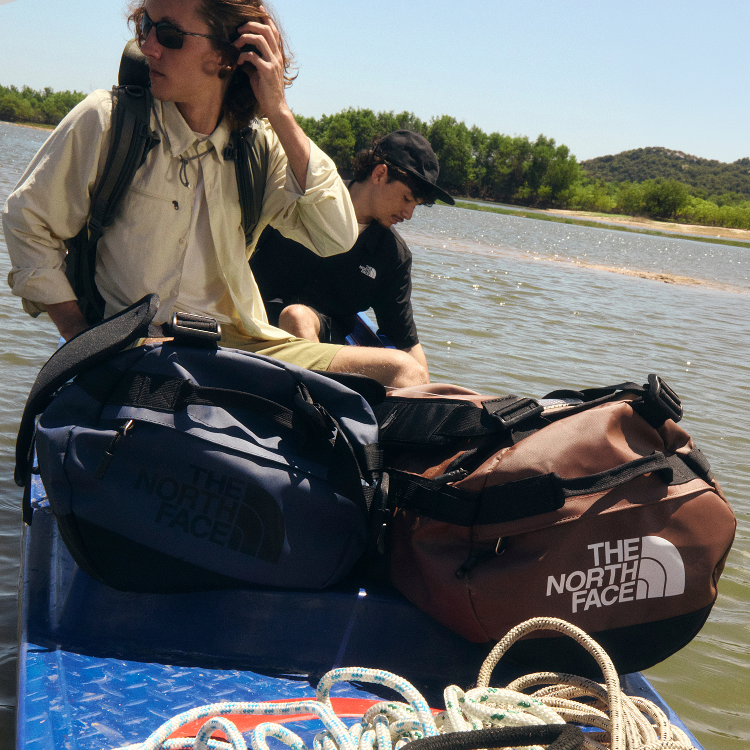
When conditions are harsh, full waterproofing for your entire system is worth it. This means a waterproof main bag and dry bags inside for electronics and anything critical.
Since 1986, the Base Camp Duffel range has been trusted by explorers and travellers around the world. The standard duffel is water-resistant, but the waterproof duffel steps up to a welded construction.
What size do you need?
The size of your waterproof bag depends on the trip, not just the activity.
8-18L
dry bags are ideal as internal liners or for protecting specific kit inside a larger pack.
20-30L
bags are good for day trips, light outdoor use, and overnight trips.
50L+
bags, like the Base Camp Waterproof Duffel, cover serious travel, camping, and expedition trips.
Find the bag that fits your adventure
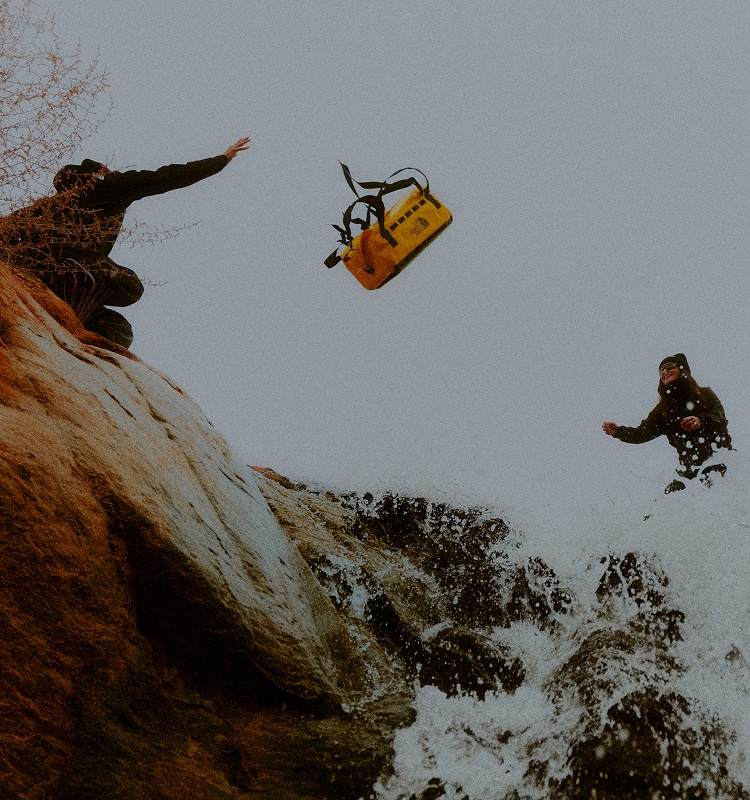
Every trip is different. Whether you're packing for a day on the water, a weekend in the hills or a long-haul hiking trip, choosing the right level of weather protection helps keep your gear ready for whatever comes next. Once you know the level of protection you need, the decision is a lot simpler.