
The North Face Guide to Choosing an Insulated Jacket for Extreme Cold
The North Face Guide to Choosing an Insulated Jacket for Extreme Cold
When temperatures drop well below freezing, the right insulated jacket becomes essential. Whether moving through city streets in winter, travelling to cold destinations, or heading into alpine environments, choosing an insulated jacket for extreme cold depends on understanding warmth, insulation type, and how the jacket performs in real conditions.
This guide breaks down what actually matters when selecting an insulated jacket, from insulation technologies and fill power to moisture management and intended use, helping you find the best insulated jacket for your environment.
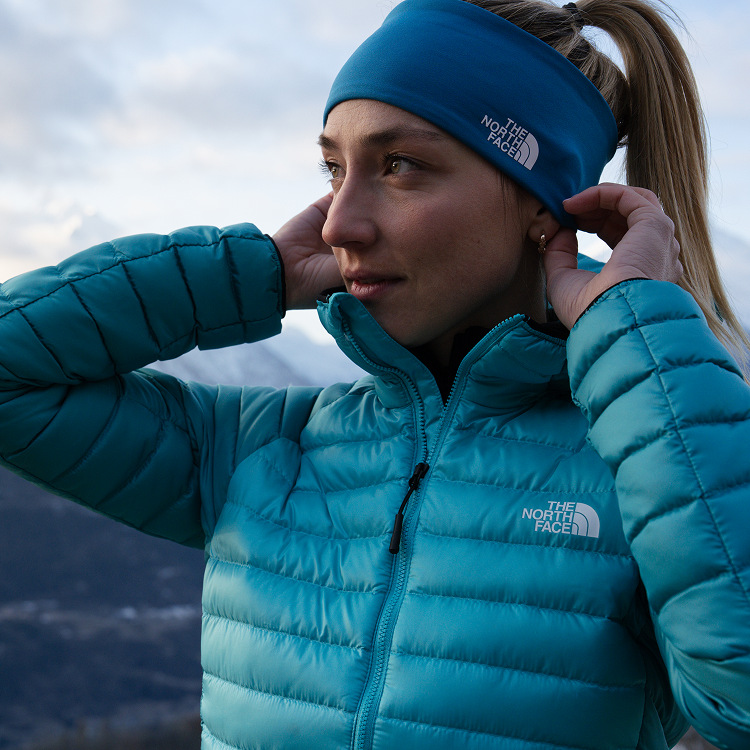
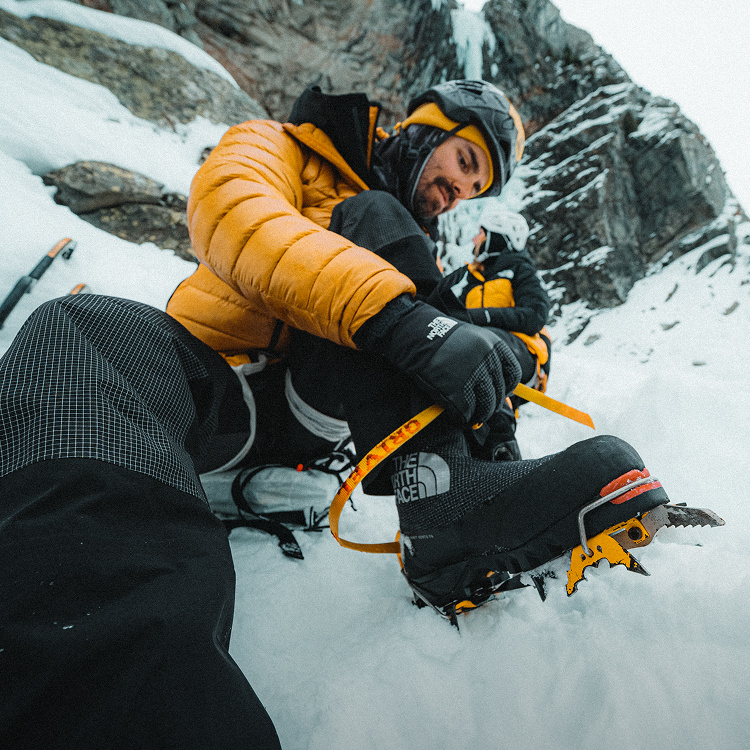
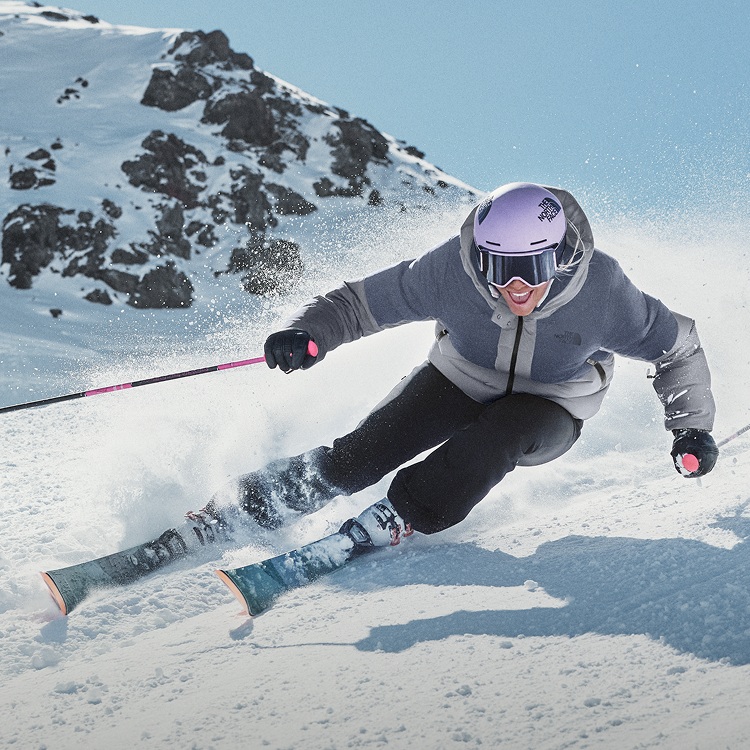
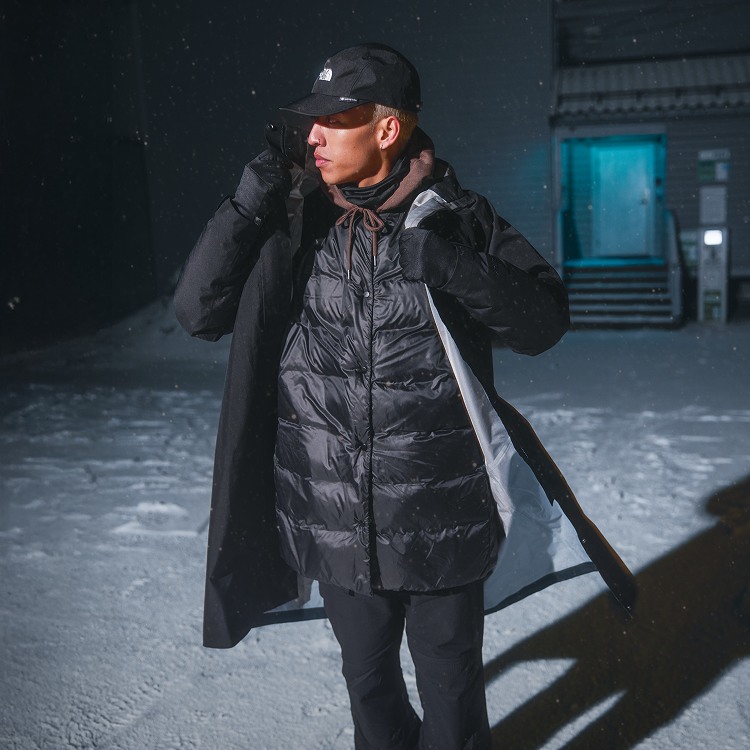
What makes an insulated jacket suitable for extreme cold?
Not all winter jackets are designed for the same conditions. Jackets built for extreme cold prioritise heat retention, protection from wind, and consistent performance in sub-zero temperatures.
Winter jackets for extreme cold are typically designed with:

High-performing
insulation

Construction that
minimises heat loss

Durable outer fabrics
that block wind and manage moisture
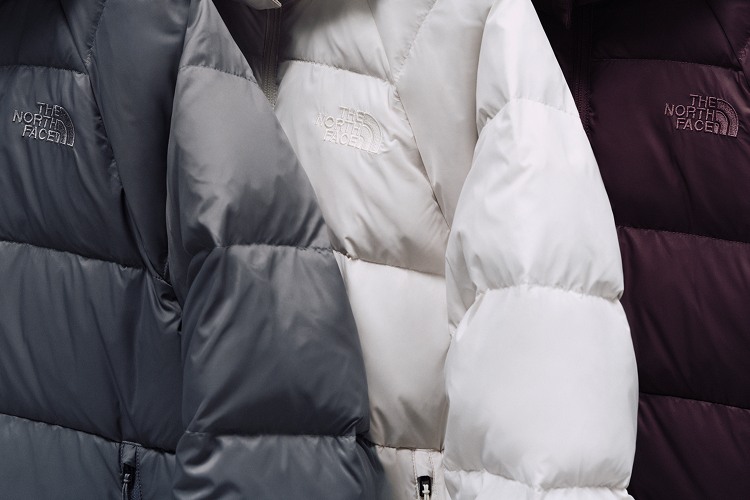
For environments where temperatures regularly fall below freezing, a standard winter jacket may not be enough. This is where purpose-built insulated jackets and puffer jackets come into play.
When extreme cold demands serious insulation, the Men’s 1996 Retro Nuptse Jacket delivers high-loft down warmth built for sub-zero conditions. Designed to trap heat efficiently, the Women’s 1996 Retro Nuptse Jacket performs well in cold, dry environments where warmth is critical.
Down vs synthetic insulation, which is warmer?
One of the most common questions when choosing an insulated jacket is down vs synthetic insulation, and whether one is warmer than the other.
Down insulation
Down insulation uses natural clusters to trap heat, creating excellent warmth-to-weight performance. Jackets with high-quality down are often considered among the warmest winter jackets available.
Key benefits of down:
Exceptional insulation for cold, dry conditions
Lightweight for the level of warmth provided
Highly compressible for travel
Down insulation is measured using fill power, which indicates how much loft the down creates. If you’re wondering what fill power is, higher numbers generally mean better insulation efficiency and warmth.
Synthetic insulation
Synthetic insulation uses engineered fibres to replicate the heat-trapping properties of down, while performing more consistently
in damp conditions.
Key benefits of synthetic insulation:
Retains warmth when wet
Dries faster than down
Often more durable for active use
So, is down or synthetic warmer? In dry conditions, down usually provides the highest warmth-to-weight ratio. In wet or unpredictable environments, synthetic insulation may offer more reliable performance.
How warm should a winter jacket be?
A common concern is how warm a winter jacket should be for extreme cold.
The answer depends on temperature, activity level, and exposure.
For static or low-activity use, such as standing outdoors or travelling in cold climates, a higher level of insulation is required. For more active pursuits, such as winter hiking or alpine movement, breathability and moisture control become just as important as raw warmth.
When choosing the best jacket for freezing temperatures, consider:
1.
Expected
temperature range
2.
Wind
exposure
3.
Duration of time
spent outdoors
4.
Whether the jacket will be worn
as a standalone layer or part of a system
Puffer jackets vs engineered insulated jackets
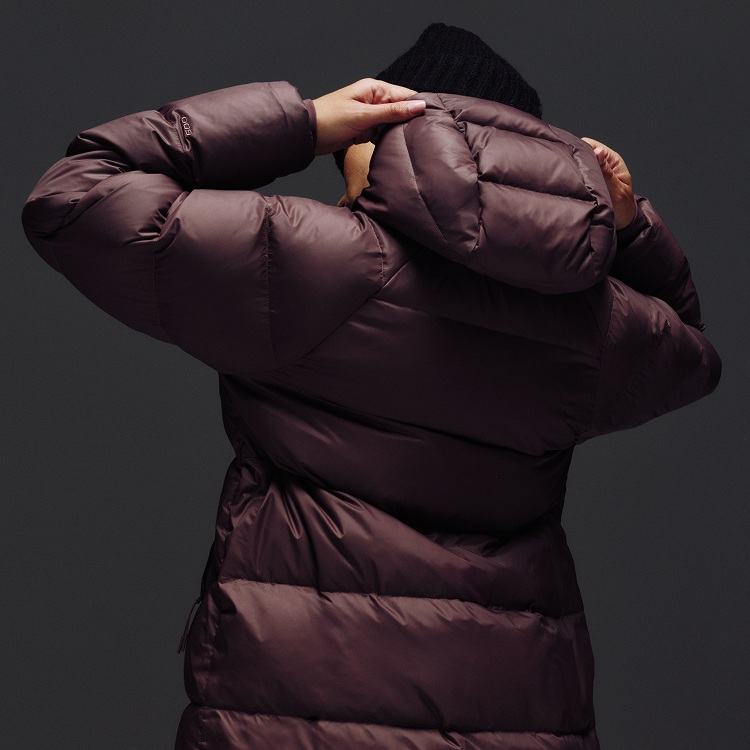
Many insulated jackets fall into the category of puffer jackets, which use baffle construction to evenly distribute insulation. These jackets are often associated with extreme cold due to their high loft and warmth.
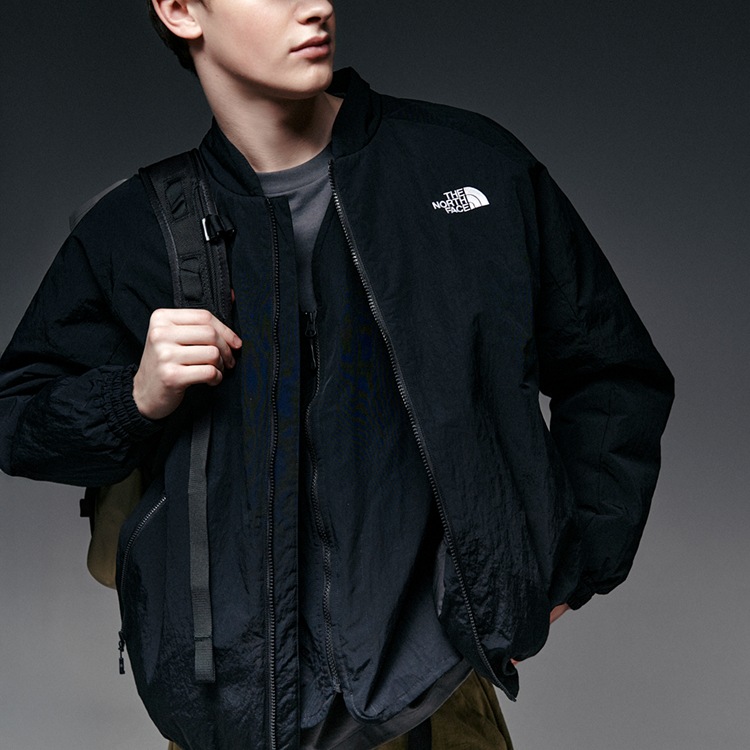
Engineered insulated jackets, on the other hand, may combine different insulation types and mapped construction to balance warmth, movement, and durability.
Both styles can be effective winter jackets for extreme cold when designed for the right purpose. The key is matching the jacket’s construction to how and where it will be used.
Choosing the best insulated jacket for your environment
The best insulated jacket is not universal. Urban winter wear, snow travel, and alpine environments all place different demands on insulation, durability, and weather protection.

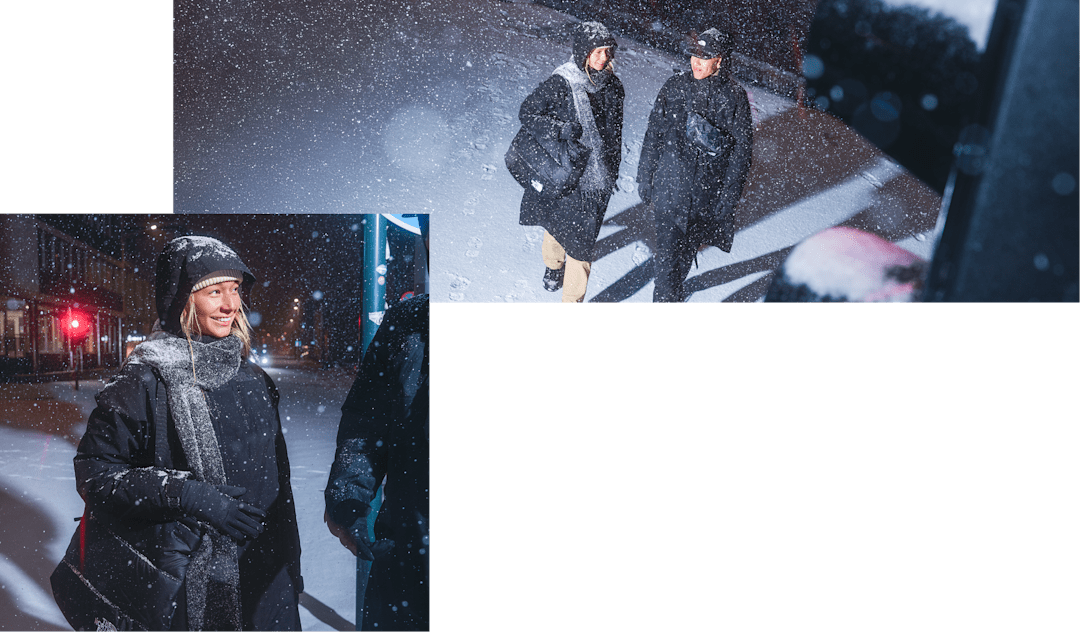
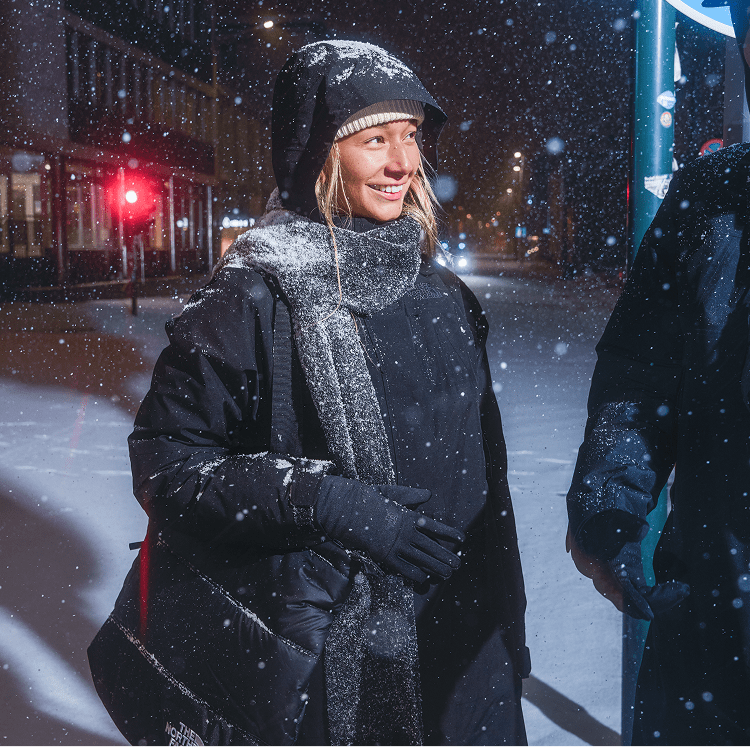
For city and travel use, comfort and warmth
are often the priority.

For alpine or exposed environments, wind resistance, durability,
and compatibility with layering systems become critical.
Understanding these differences helps narrow down the best insulated jacket for your needs, whether you’re navigating winter streets or preparing for colder, more demanding conditions.
Many of The North Face’s most iconic insulated styles are built around these same insulation principles. Starting with insulation type, down or synthetic, makes it easier to narrow down to the right jacket for your environment, activity level, and layering needs.
In environments where dampness is a concern, the Men’s Bettaforca Lightweight Down Jacket offers insulation that remains effective during activity. For extreme cold that involves movement and changing conditions, the Women’s Bettaforca Lightweight Down Hooded Jacket provides warmth without excessive bulk.
Some of The North Face’s most iconic insulated jackets are designed specifically for these environments. High-loft down styles like the Nuptse are built for extreme cold and low-movement conditions, while lightweight insulated jackets such as Bettaforca balance warmth and mobility for active use in cold environments.
Why insulation matters in extreme cold
Insulation is the core of cold-weather protection. A well-designed insulated jacket traps heat efficiently while allowing excess moisture to escape, keeping body temperature stable in harsh conditions.
By understanding insulation types, fill power, and construction, it becomes easier to choose an insulated jacket that performs reliably when temperatures drop and conditions become unforgiving.
Quick decision shortcuts: choosing the right insulated jacket
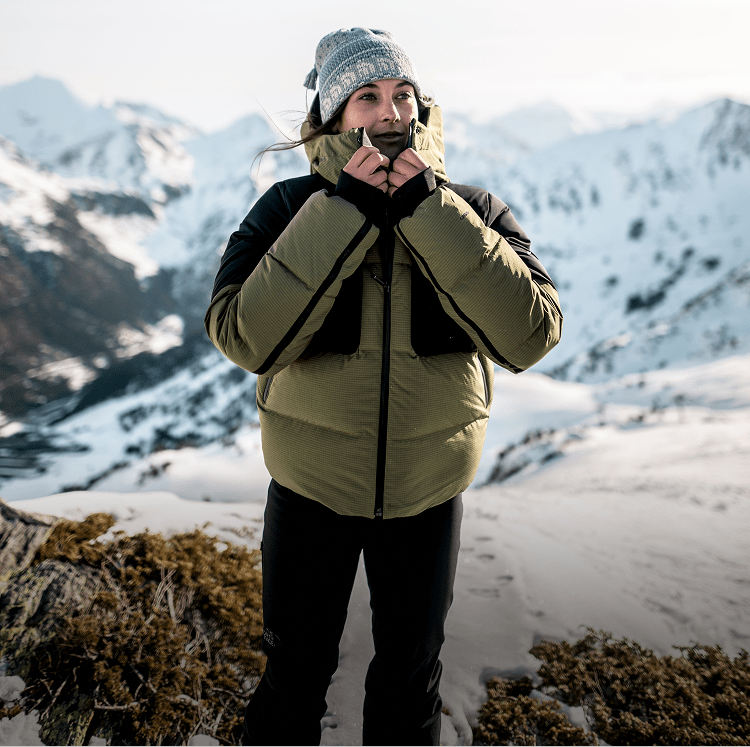
If you’ll be mostly static in very cold, dry conditions, such as winter travel or city wear, a high-loft down jacket offers maximum warmth.
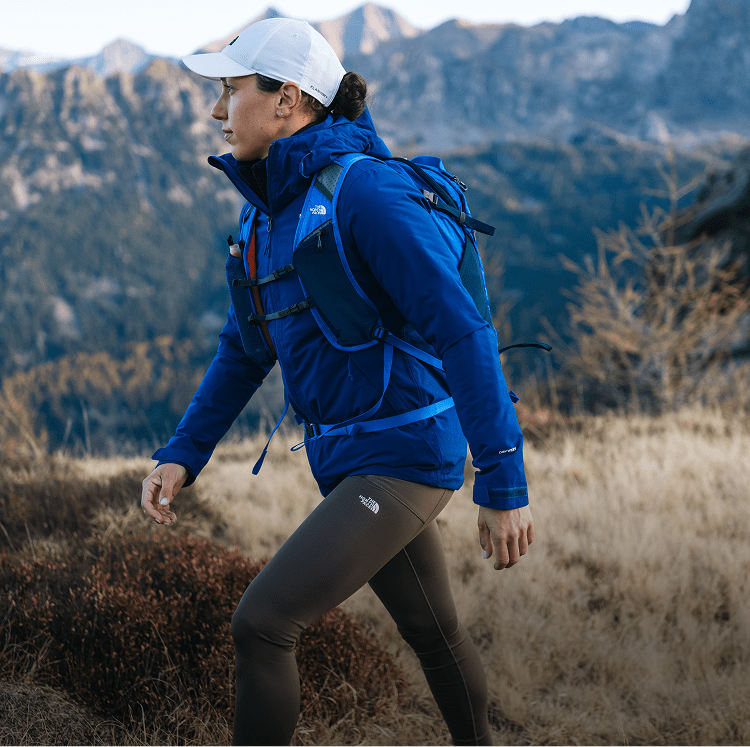
If you’ll be active in cold environments, such as winter hiking or snow travel, a lightweight insulated jacket that balances warmth and breathability performs better.
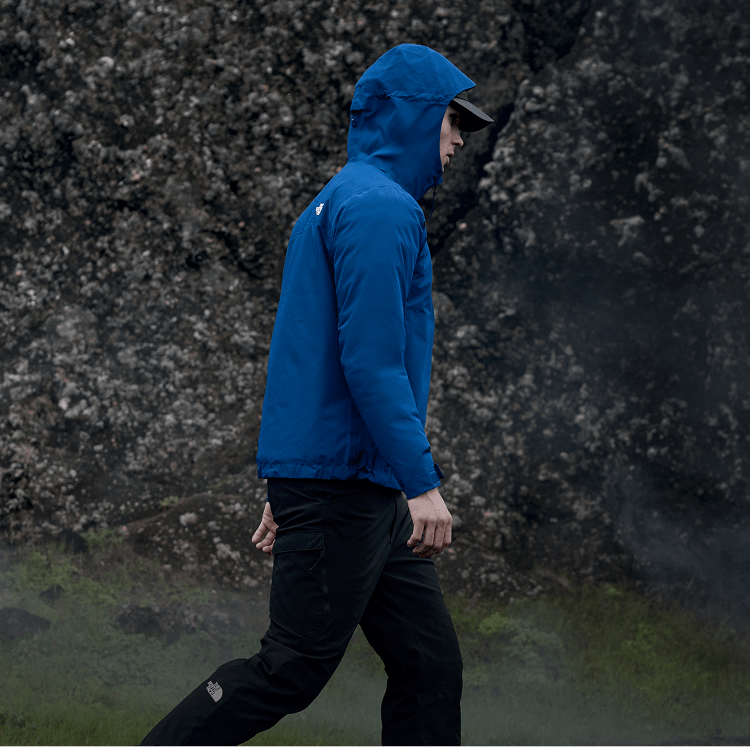
If conditions are wet, changeable, or involve frequent movement, synthetic insulation delivers more reliable warmth and dries faster.
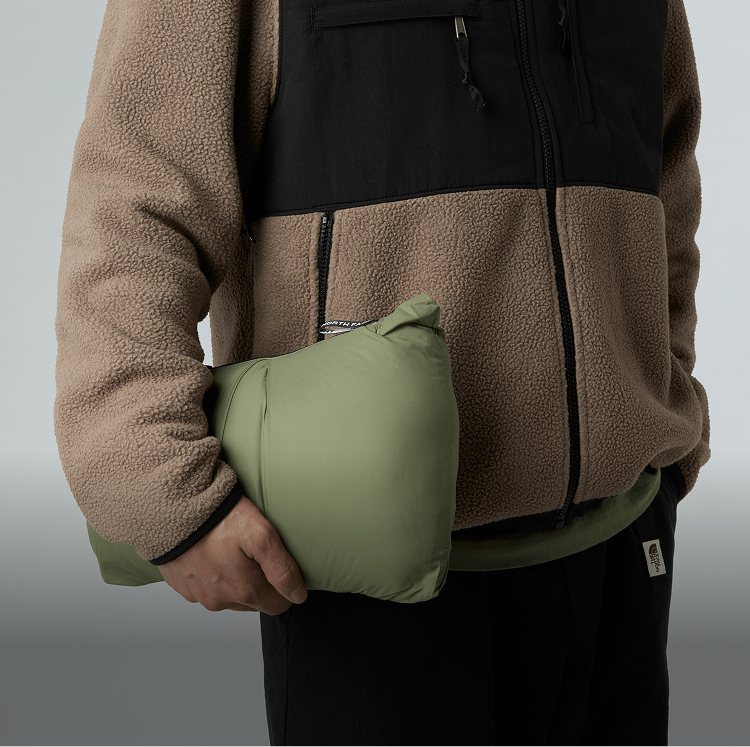
If packability matters for travel or alpine layering, choose a packable insulated jacket that compresses easily without compromising warmth.
To explore the full range, browse The North Face men’s and women’s insulated jackets, including styles available with down or synthetic insulation.
For lightweight travel and layering, see packable insulated jackets designed to compress easily into your kit.
Find the right insulated jacket for winter
Choosing the right insulated jacket for extreme cold comes down to understanding how and where it will be used. From everyday winter wear to snow travel and more exposed environments, insulation, construction, and fit all play a role in keeping you warm when temperatures drop.
Explore The North Face’s range of insulated jackets and puffer styles designed for winter conditions, and find the right balance of warmth, protection, and comfort for your cold-weather plans.