
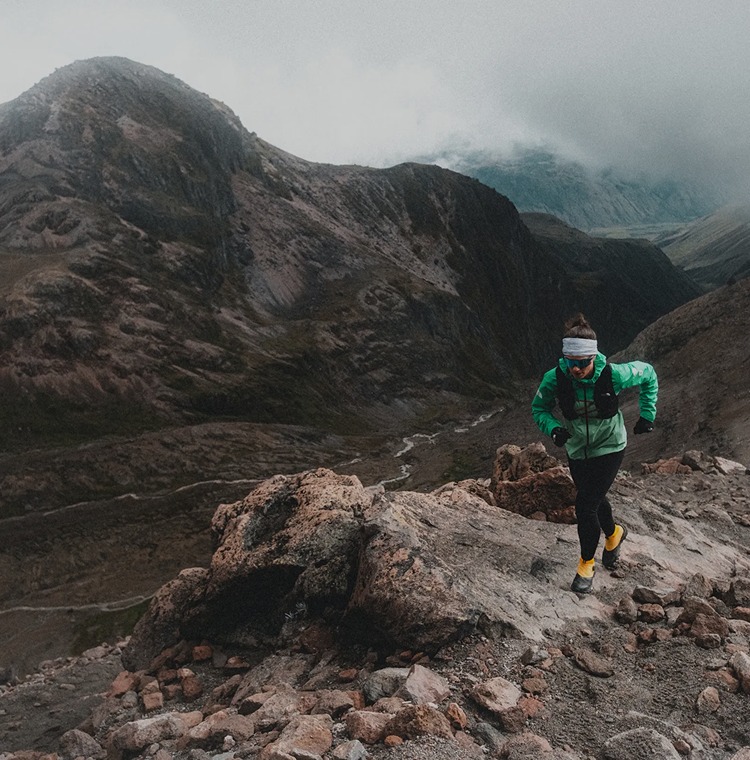
What to Wear for Winter Training: Layering for Performance
There’s no reason to let low temperatures and wintery conditions stunt motivation. Whether heading to the gym or planning a cold-weather run, having the right winter training clothes is essential for great performance.
This guide offers the ultimate clothing solution for winter training and explains why layering for exercise is so effective. Even in cold winter weather, it’s easy to stay well-equipped with the right gear and smart planning.
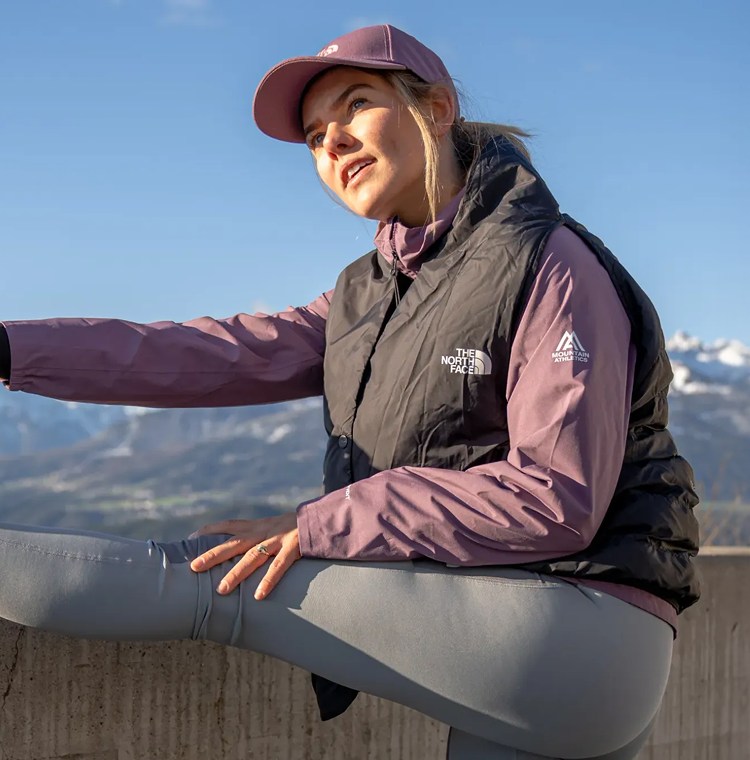
What’s important when training in cold conditions?
Factors like movement, breathability and heat management become even more significant than in an everyday workout when cold weather comes into play. To eliminate the negative impact of harsh weather, it’s important to make smart choices about layering. Winter running layers become vital before heading out, and cold-weather workout clothes become a crucial part of the workout plan.
How should I dress for winter training?
With movement, breathability, and heat management in mind, it’s important to dress for an effective workout. The best way is by layering. Whatever the physical activity, when training in cold weather, clothing should provide mobility, warmth and water protection.
This is why layering is the most effective way to dress for exercise in cold weather. A high-quality layering system will work together to regulate temperature during high-output activity, in turn enhancing performance.
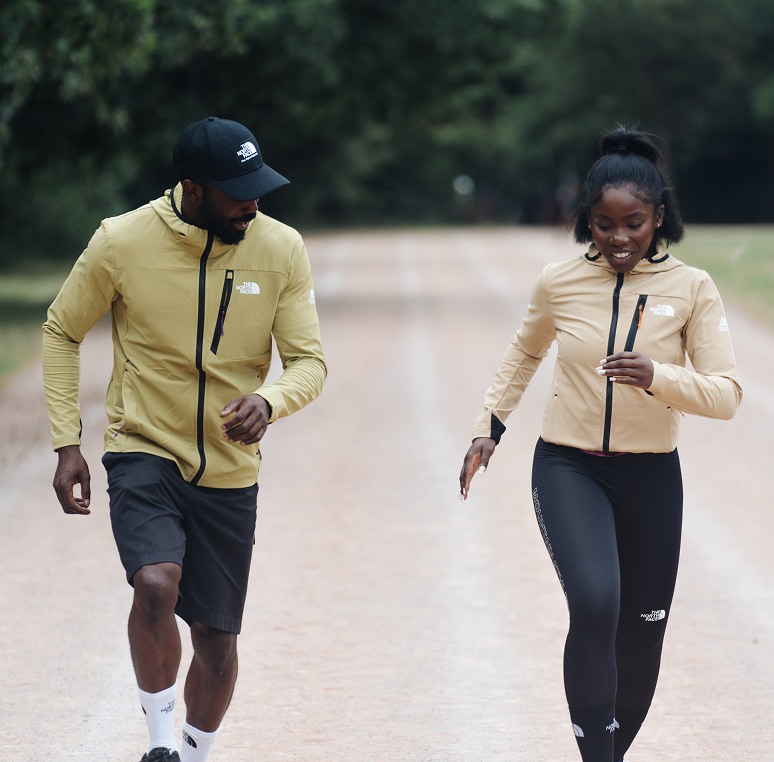
How to layer for cold-weather exercise
Three important elements make up the ideal layering system for winter training: base layers/next-to-skin layers, midlayers and outer layers. Each layer has a vital role in ensuring exercise is comfortable and efficient.
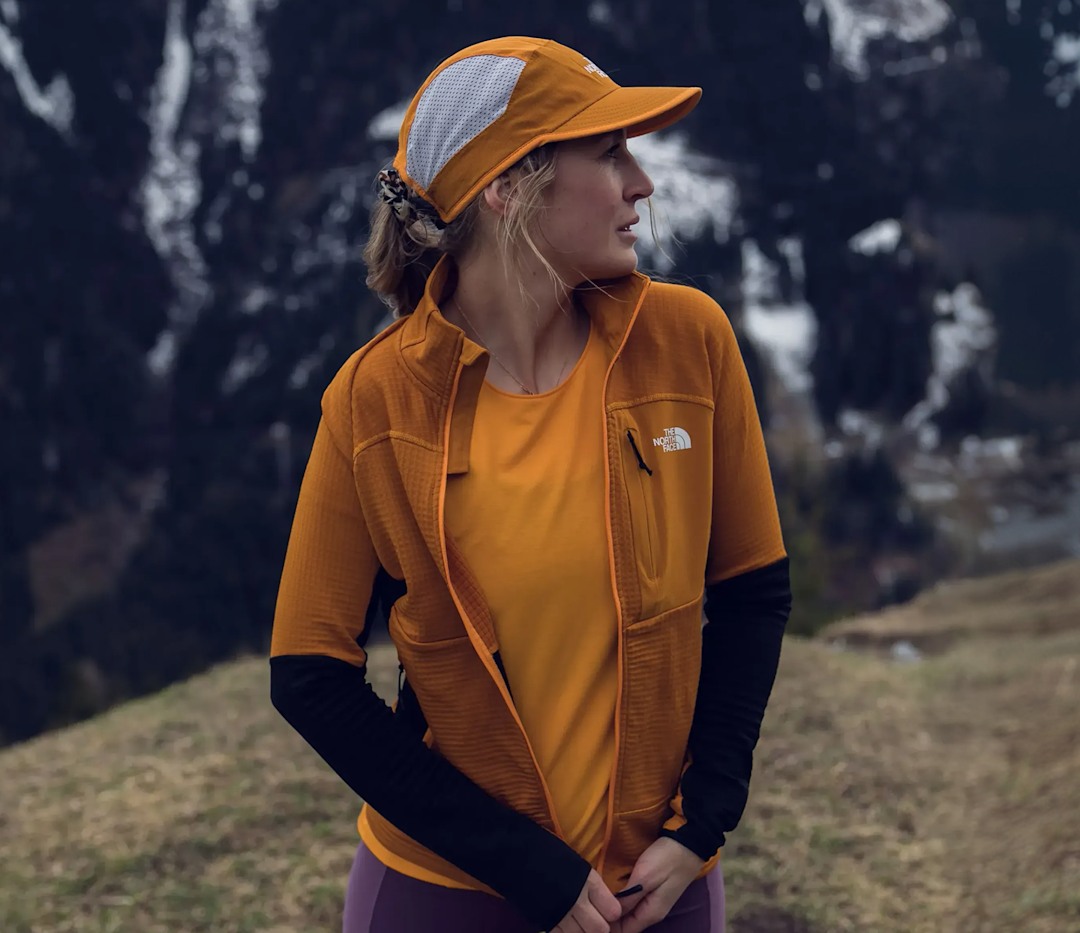
Base and next-to-skin layers
An important first step is to understand that base layers are a thin piece of clothing that sits directly on the skin.
For running, the layer worn directly against the body is referred to as next-to-skin. This is a high-performance layer designed to regulate body temperature, move sweat away from the skin, and support comfort during high-output activity. Rather than changing this layer as temperatures drop, warmth is managed by adding or adjusting layers on top.
Air is trapped beneath the base layer, holding in body heat and evaporating sweat. This layer is crucial for staying dry and warm. Examples include thin thermal tops and leggings.
A good base layer is:
Moisture-wicking
Snug-fitting
Breathable
Insulating midlayers
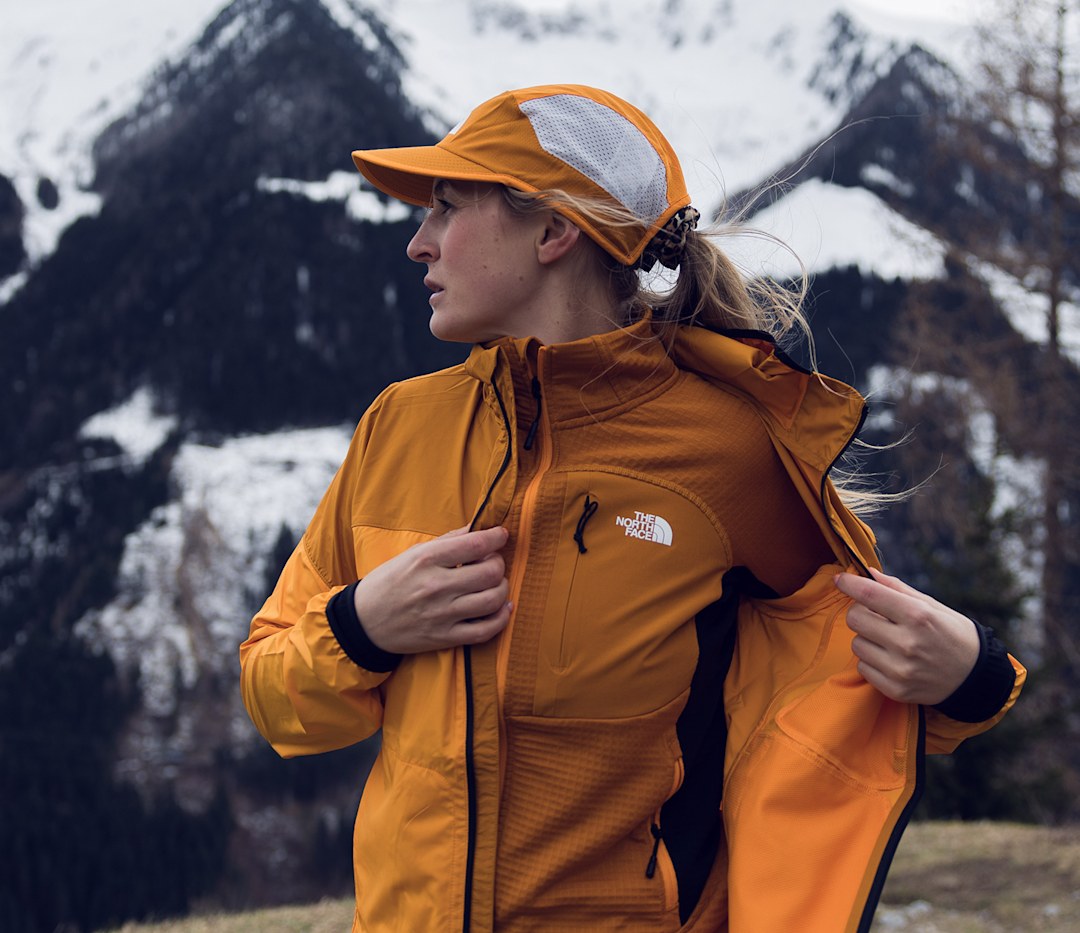
A midlayer’s main role is to regulate temperature. It retains heat to stay warm, but is breathable to stop overheating. The versatility of midlayer technology means the system works throughout the entire workout, including low and high-intensity periods.
Material is important when choosing a midlayer; The North Face offers options like Polartec® microfleece technology and merino wool for maximum breathability. Midlayer examples include fleeces or soft-shell jackets.
A good midlayer is:
Insulating
Moveable
Fast-drying
Protective outer layers
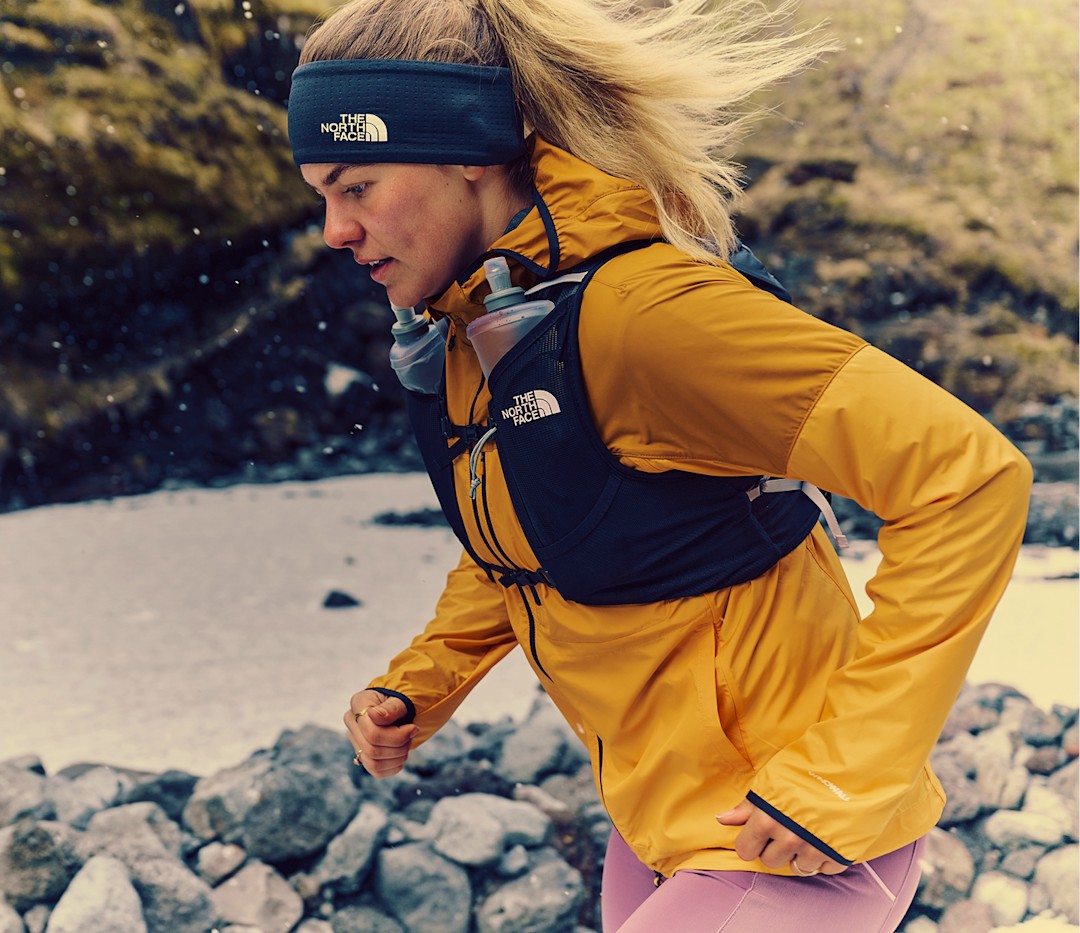
In the final step, outer layers act as a shield from the elements. Training in snowy, windy or wet conditions is a commitment that outer layers work to protect. Technologies such as DryVent™ and GORE-TEX® help outer layers block wind and moisture while allowing heat and sweat to escape.
As well as keeping the inner layers dry, outer layers allow heat and moisture out to prevent overheating during a workout. Examples of outer layers include waterproof jackets or shell trousers.
A good outer layer is:
Weatherproof
Durable
Lightweight
Choosing the right footwear for winter training
Layering doesn’t stop at clothing. Footwear plays a critical role in winter training performance, particularly when routes include wet pavements, frost-covered trails or icy terrain.
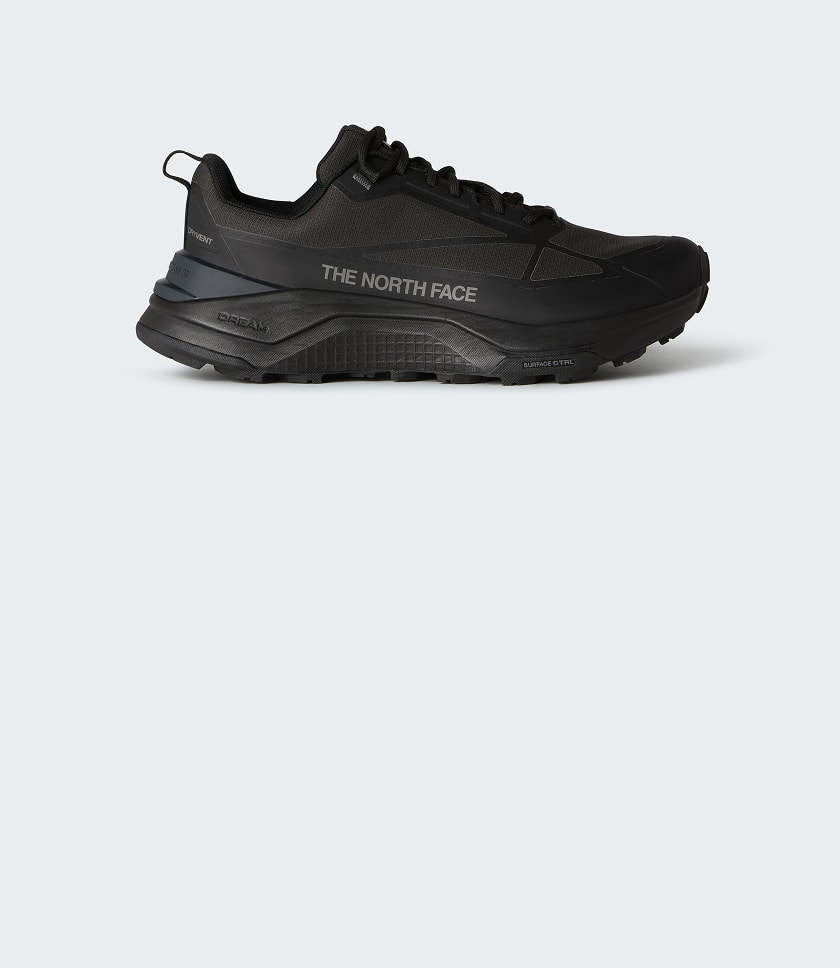
For road and mixed-surface training, lightweight waterproof styles such as the Men’s Fastpack Waterproof Shoes and Women’s Fastpack Waterproof Shoes help balance grip and protection without adding unnecessary weight.
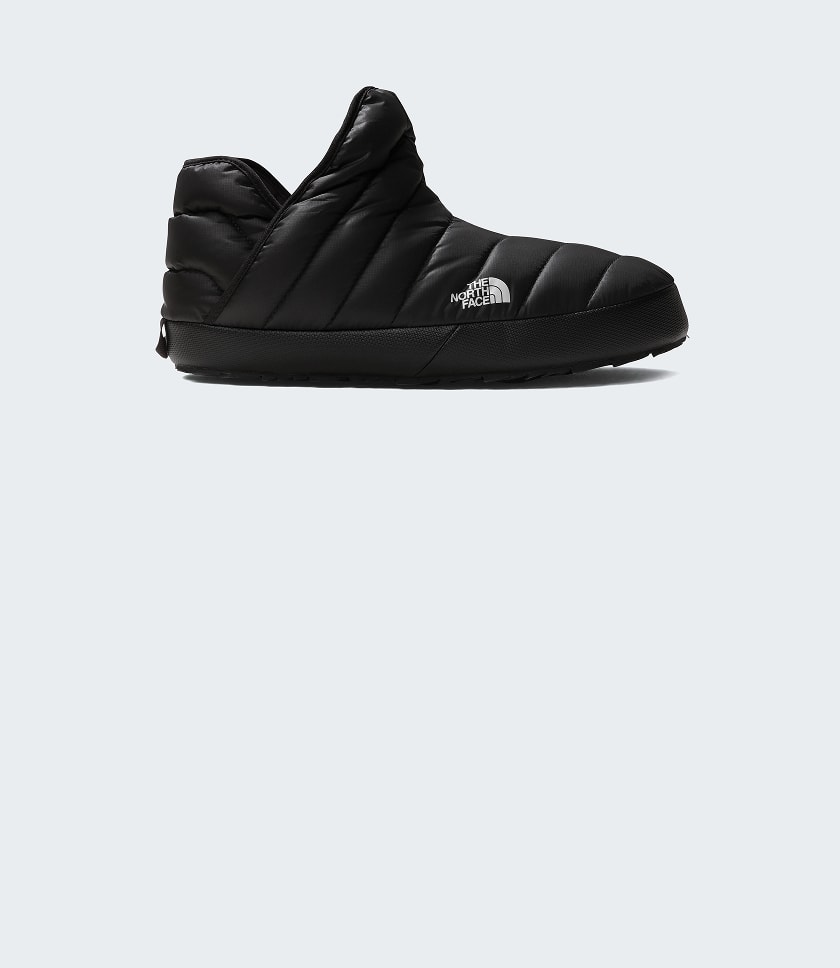
When snow or prolonged exposure is involved, insulated options like the Men’s ThermoBall™ Traction Winter Booties and Women’s ThermoBall™ Waterproof Lace-Up Winter Boots offer additional warmth before or after training.
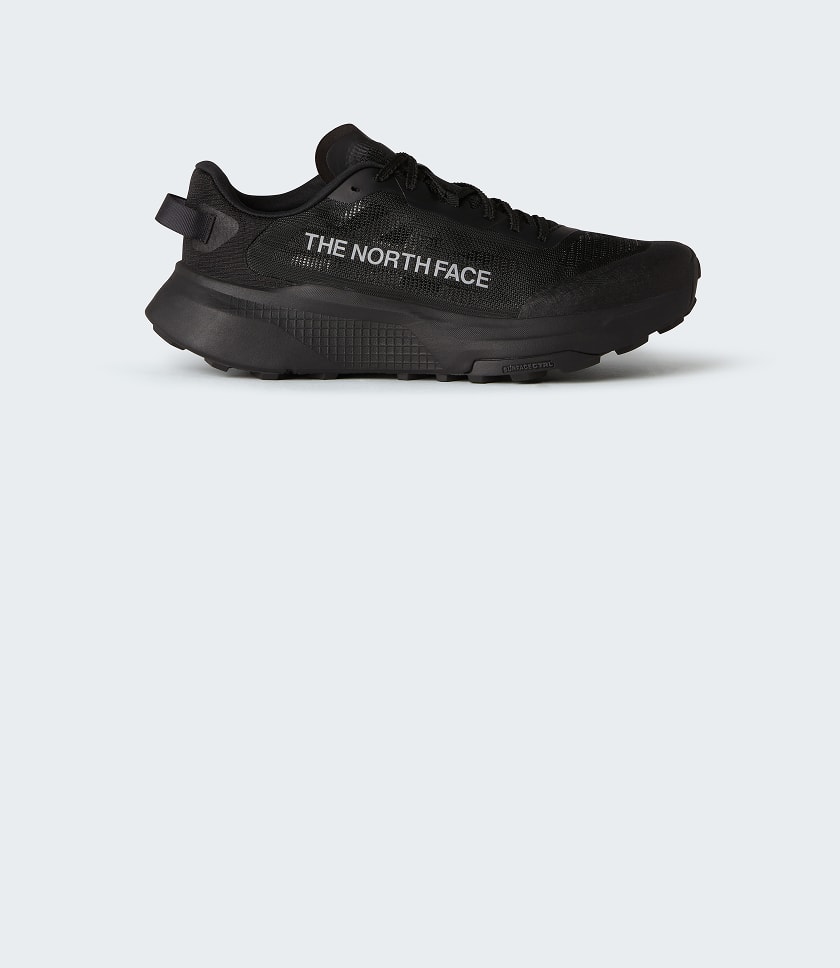
For trail-focused sessions in colder conditions, the Men’s Altamesa 300 V2 Trail Running Shoes and Women’s Altamesa 300 V2 Trail Running Shoes provide agility and traction across uneven winter ground.
Choosing the right layers for winter training
Layering is the foundation of winter training performance. The right system regulates temperature, manages moisture and protects against wind and rain, particularly during high-output sessions in cold or changeable conditions.
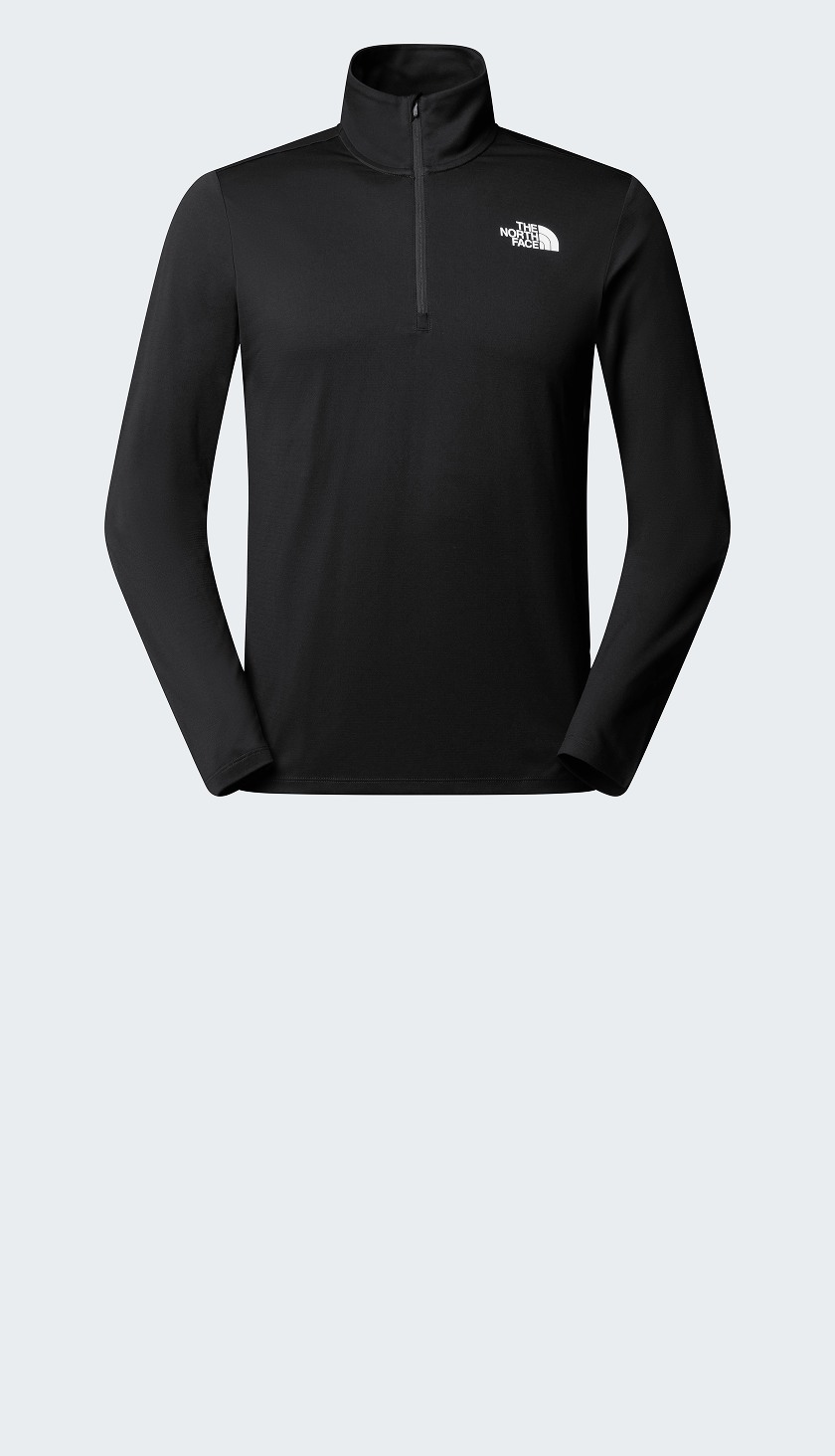
For next-to-skin performance during road and gym-based training, technical options such as the Men’s 24/7 1/4 Zip Long-Sleeve T-Shirt and Women’s Summit Altimetro Long-Sleeve Top help regulate body temperature and move moisture away from the skin without restricting movement.
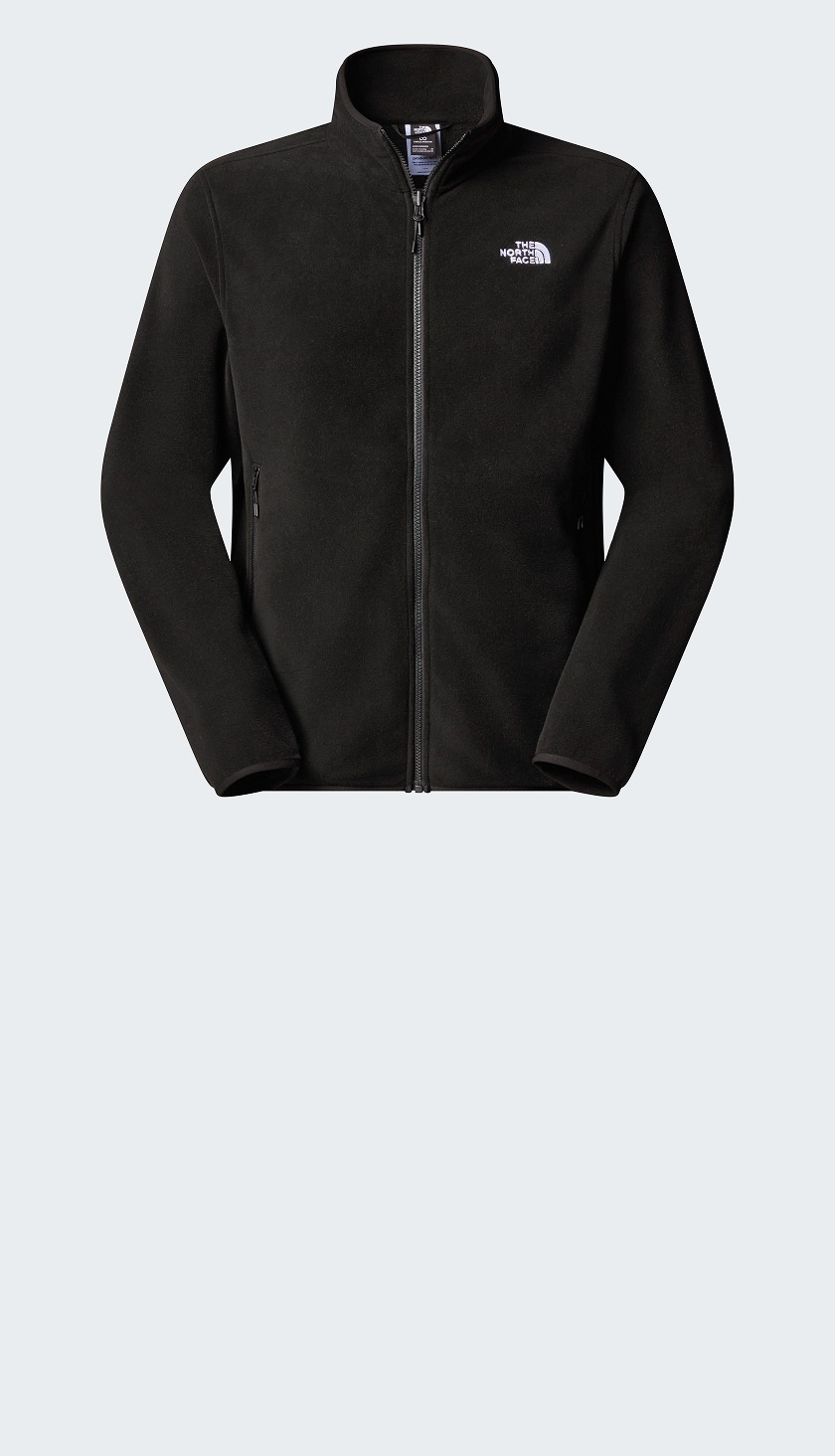
For insulating midlayers in colder conditions, performance-driven fleece styles like the Men’s Glacier Full-Zip Fleece and Women’s Winter Warm Pro 1/4 Zip Fleece provide breathable warmth that adapts to changing intensity levels.
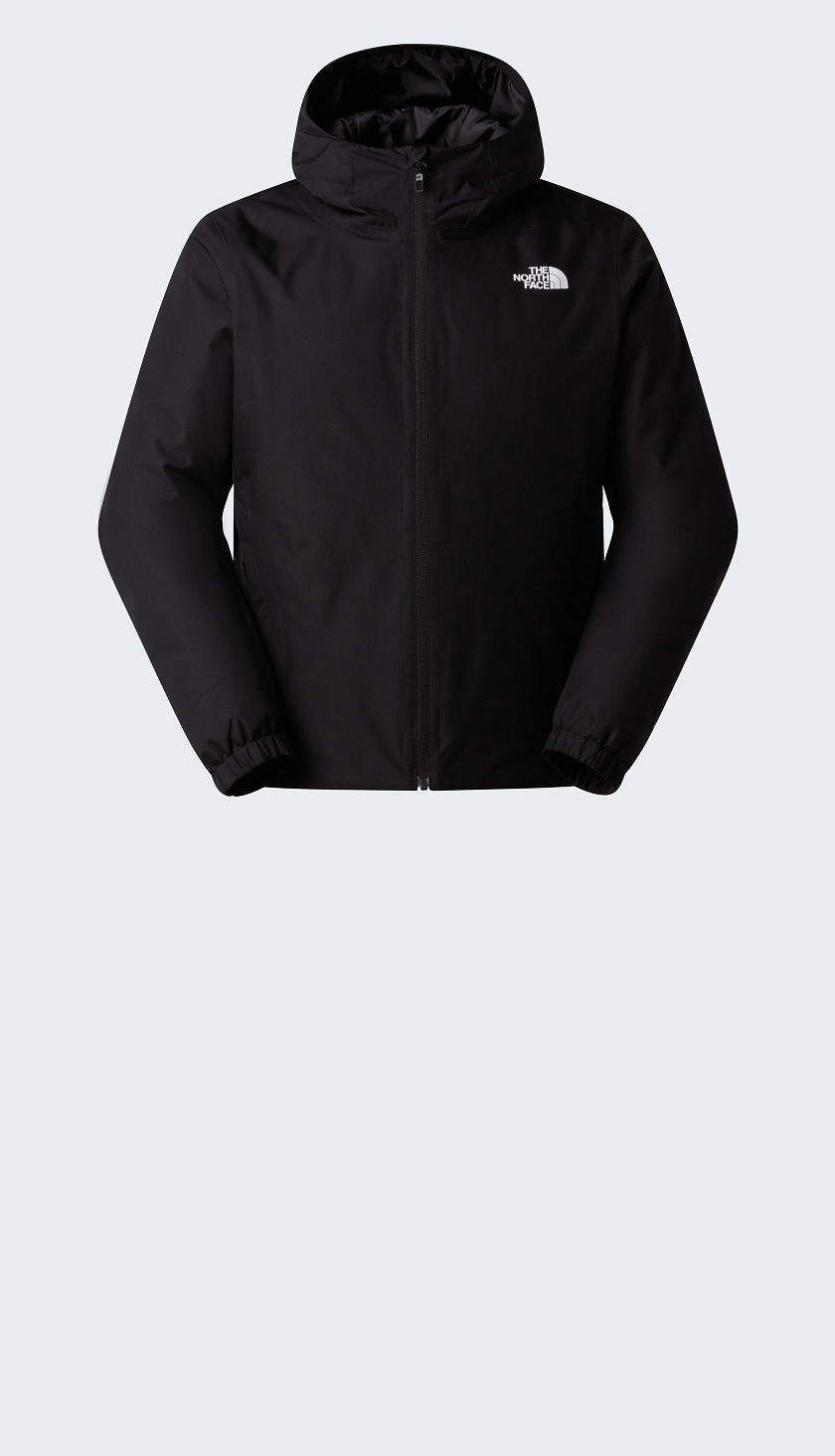
When wind, rain or prolonged exposure becomes a factor, protective outer layers such as the Men’s Quest Mono Jacket and Women’s Quest DryVent™ Mono Jacket help shield against the elements while allowing heat and sweat to escape during training.
Quick decision shortcuts:
Choosing winter training clothes
If planning a particularly
high-intensity workout,
a thin mid-layer is a good option for
maintaining the right temperature.
If opting for a
low-intensity session
thicker mid-layers are more effective
for keeping warm.
If heading out in
extremely cold weather
choosing a thick base layer
is the
best option.
Winter training layering by temperature
Training in cold weather isn’t about wearing more layers; it’s about wearing the right ones. As temperatures drop, your layering system should adapt to balance warmth, breathability, and protection from the elements.
Use the table below as a quick reference for how to layer when training in winter conditions, based on common temperature ranges. Each setup is designed to support movement, manage moisture, and maintain comfort as intensity changes.
Product examples may vary by season. The table below outlines layering principles rather than fixed product requirements.
TEMPERATURE | BASE/ NEXT-TO-SKIN LAYER | MIDLAYER | OUTER LAYER | BOTTOMS | ACCESSORIES |
0°C to 5°C | Lightweight, moisture-wicking long-sleeve next-to-skin base layer | Thin fleece or lightweight technical layer | Wind-resistant or light water-resistant/waterproof shell (optional) | Lightweight running tights | Light gloves or a headband if needed |
-5°C to 0°C | Insulating fleece or breathable synthetic layer | Lightweight insulated jacket or protective shell | Thermal running tights | Insulated gloves, beanie or ear coverage | |
Below -5°C | Insulated fleece or lightweight insulated jacket | Weatherproof or insulated outer layer | Thermal tights with wind protection | Insulated gloves, neck gaiter, beanie |

Finding the right winter training clothes
Consistent training all year round is achievable with drive and an understanding of layers. Base, mid and outer layers all play a huge role in maintaining performance in cold conditions, from staying dry to regulating temperature to beating the elements.
Browse base, mid and outer layers at The North Face, designed with innovative technology to enable and enhance training in low temperatures. Cold-weather accessories like gloves, hats and thick socks are also useful for keeping extremities warm, so don’t overlook extras.