
Choosing the Right Waterproof Jacket for Trail Running and Mountaineering
A waterproof jacket is a non-negotiable layer when moving through mountain environments. Whether running exposed trails or climbing into higher, more technical terrain, protection from wind and rain directly affects comfort, safety and decision-making.
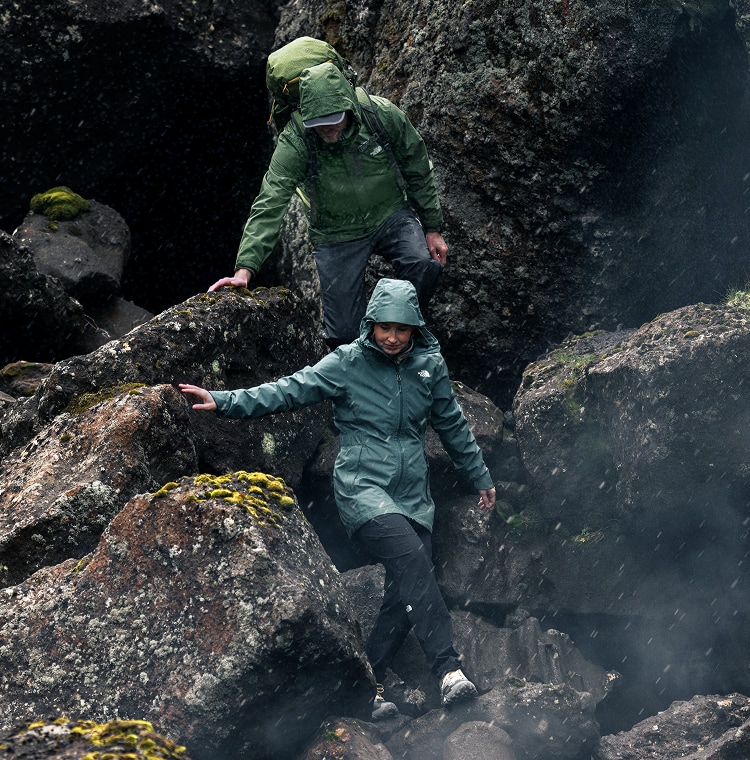
Choosing the right waterproof jacket is not just about staying dry. Breathability, weight, construction and how the jacket performs at different output levels all matter. This guide breaks down how to choose a waterproof jacket for trail running and mountaineering, helping answer questions like what waterproof jacket is best for running or mountaineering while reflecting The North Face approach to all-conditions protection.
Start with movement,
not just weather
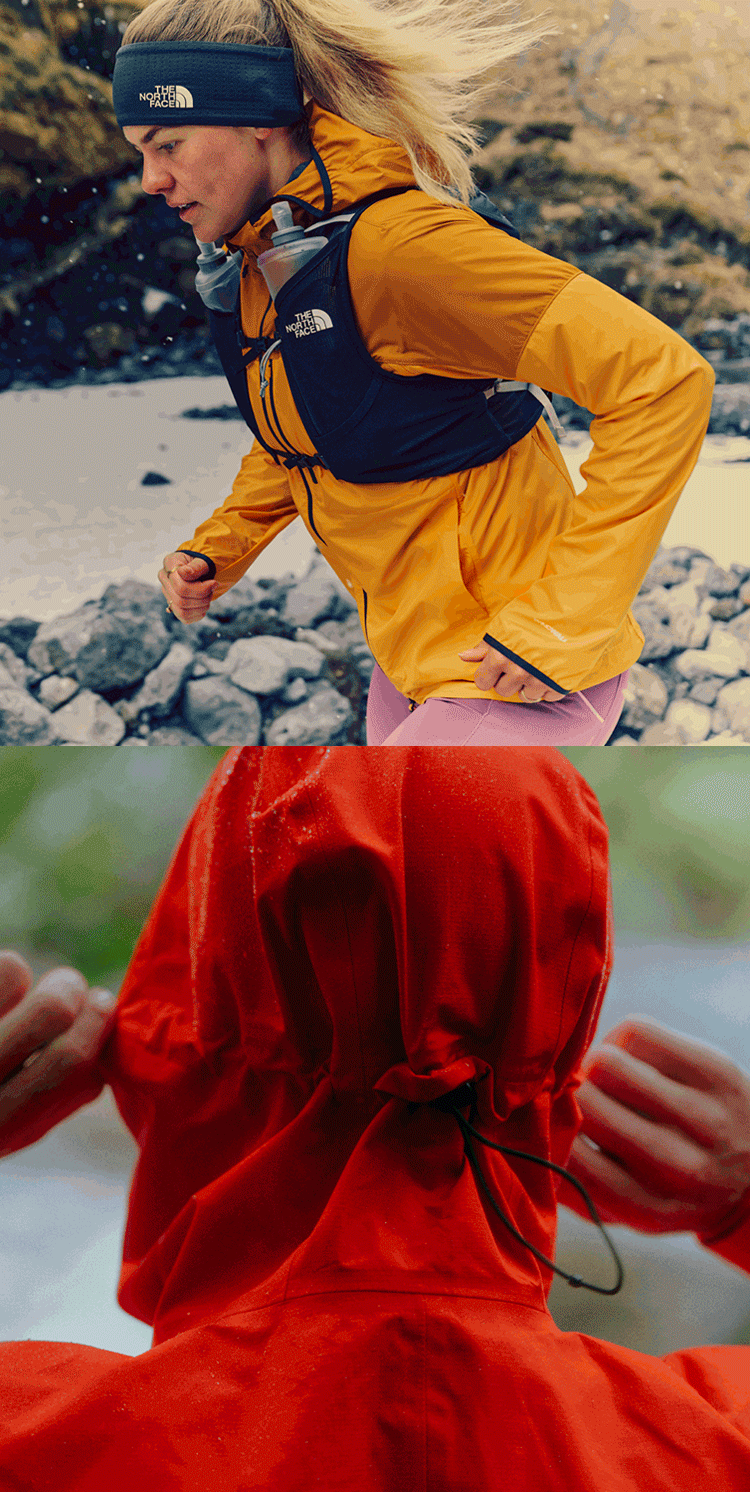
Trail running and mountaineering demand different things from a waterproof jacket, even when conditions look similar on paper.
Trail running is high output and dynamic. Heat builds quickly on climbs and technical sections, making breathability and freedom of movement critical. Mountaineering often involves longer exposure, slower movement and harsher weather, where sustained protection and wind resistance become more important.
Understanding how fast you move, how long you will be exposed and how variable conditions are likely to be is the foundation of choosing the right jacket.
Waterproofing and breathability in real conditions
Waterproof performance is often reduced to ratings, but comfort in the mountains comes from how well a jacket manages moisture from both sides. Rain and snow need to be kept out, while heat and sweat need a way to escape.
For trail running and mountaineering, a breathable waterproof jacket helps regulate temperature during effort changes. Jackets that trap heat quickly become uncomfortable on ascents and can lead to chilling once pace drops.
Construction, fabric choice and overall fit all influence how effectively a jacket balances protection and airflow during movement.
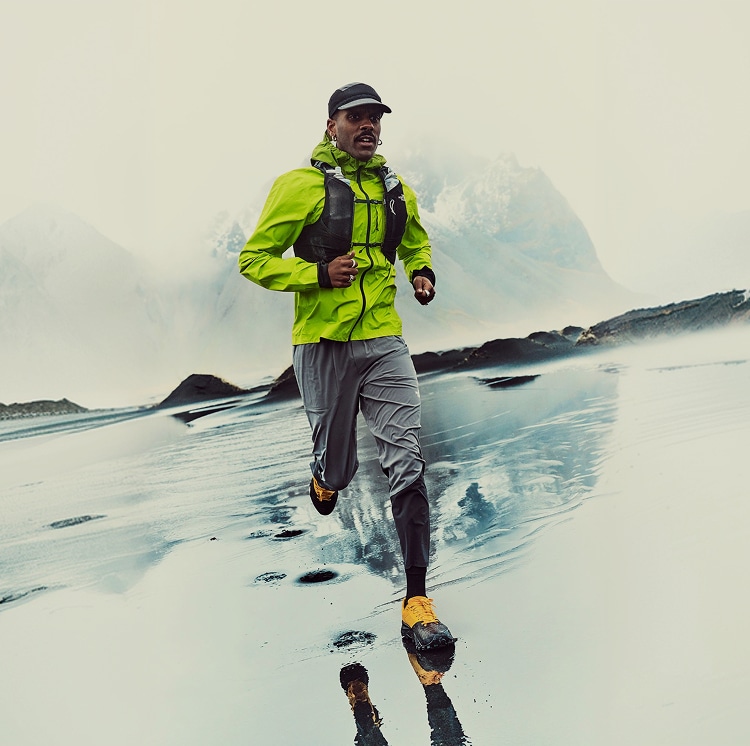
Lightweight waterproof jackets for trail running
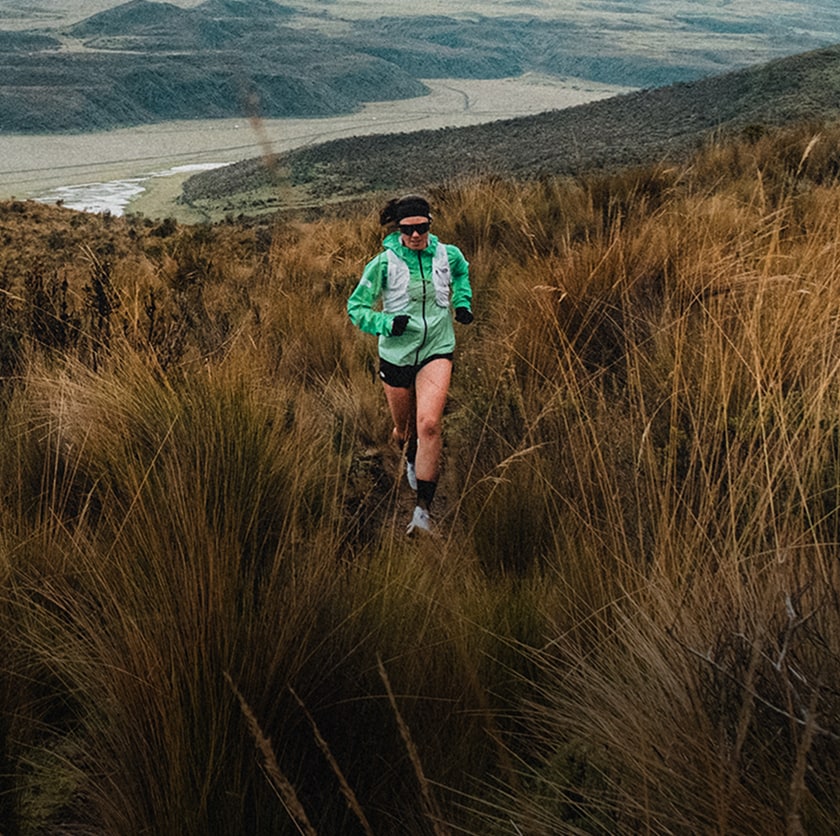
Trail running places constant demands on a waterproof shell. The jacket needs to move with the body, block wind on exposed sections and remain comfortable when worn for extended periods at higher output.
Lightweight waterproof
jackets are best suited to:
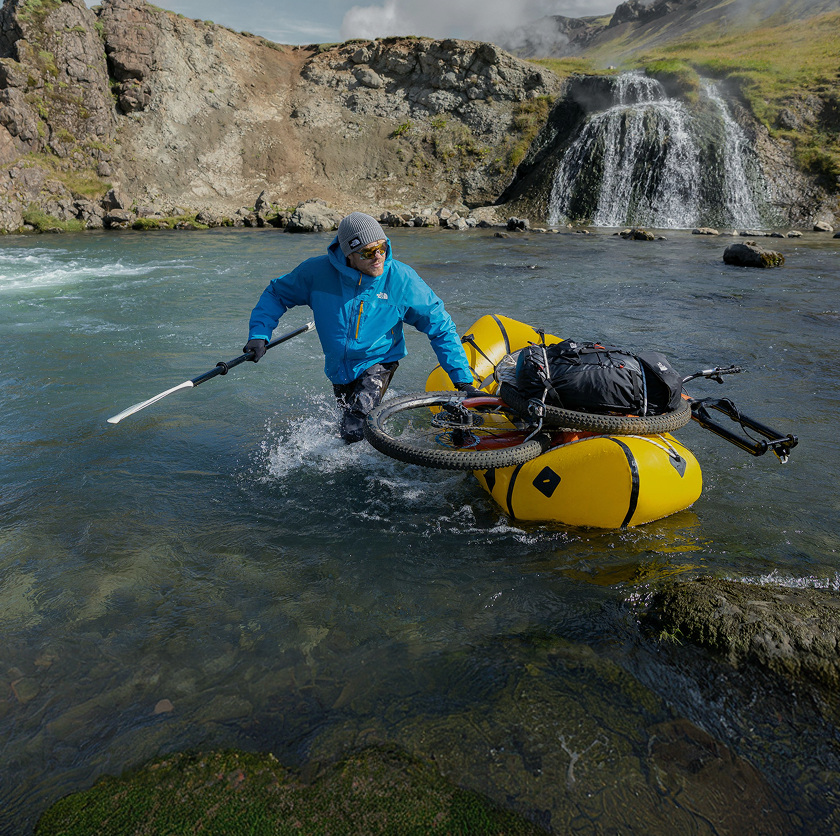
Sustained effort in wet or windy conditions
Runs where the jacket stays on rather than being carried
Routes with exposure where wind chill is a factor
Lightweight shells designed specifically for movement are better suited to high-output trail running. Jackets such as the Fontanales Jacket are engineered with breathability and freedom of movement in mind, offering wind and waterproof protection without restricting stride or trapping excess heat. For exposed trail environments where weather shifts quickly, a running-focused shell supports performance without unnecessary bulk.
Breathability and comfort under load
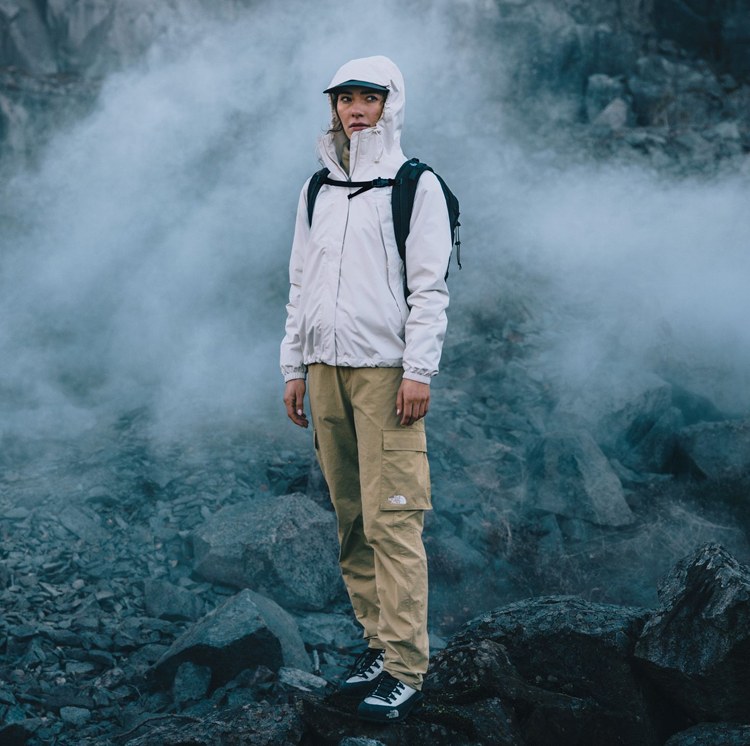
Breathability is not a single feature. It is the result of fabric performance, internal construction and how the jacket fits during movement.
For trail running, breathability reduces the need to stop and adjust layers mid-run. For mountaineering, it helps regulate temperature during long ascents where effort fluctuates but exposure remains constant.
A jacket that manages moisture effectively supports longer, more comfortable days in the mountains, regardless of pace.
Waterproof jackets
in mountaineering environments
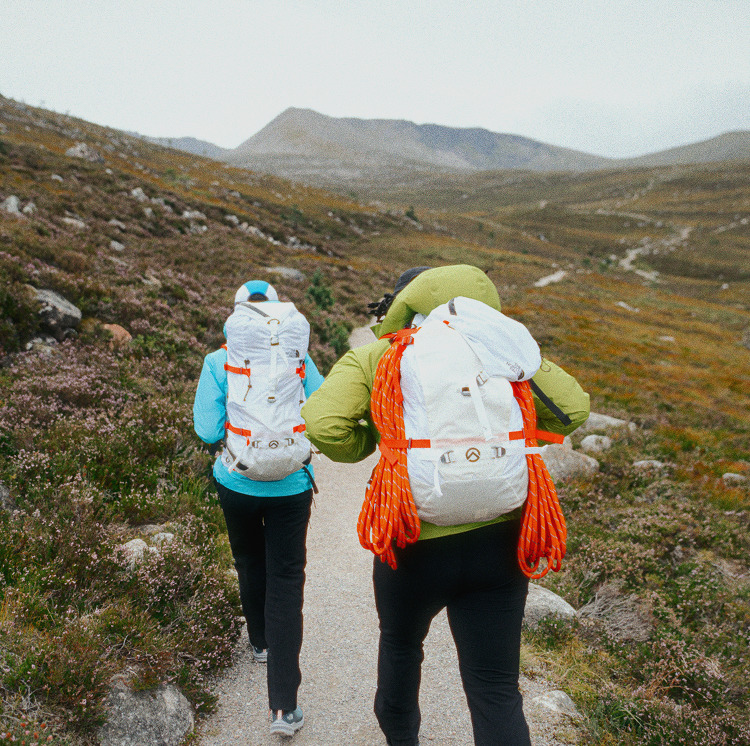
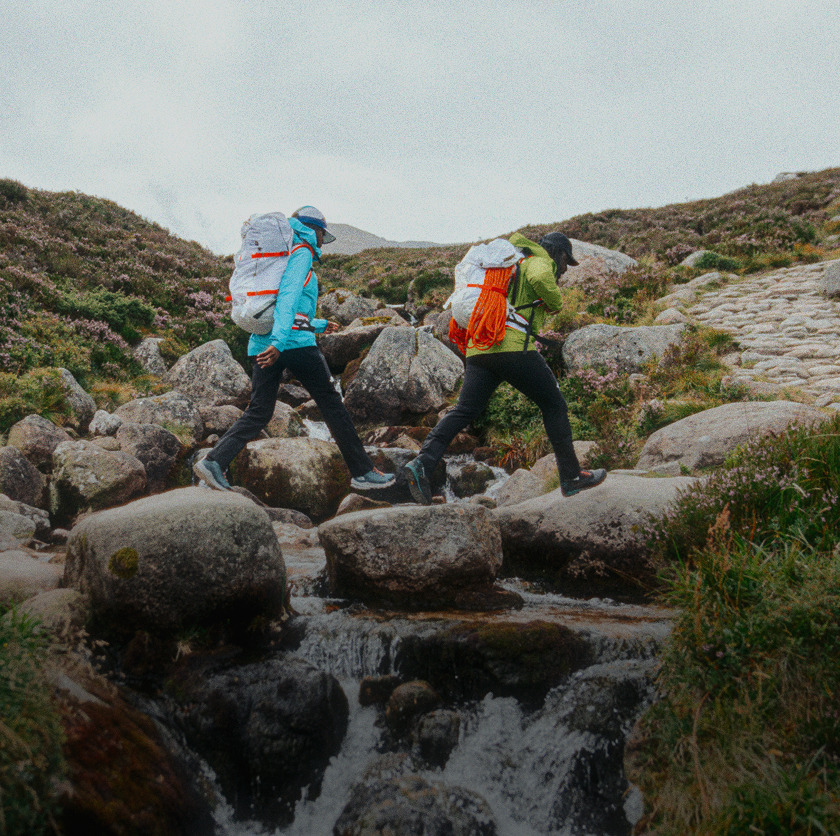
Mountaineering exposes the body to sustained wind, colder temperatures and prolonged precipitation. In these conditions, waterproof jackets need to prioritise reliable protection while still allowing for movement and layering underneath.
Unlike short, high-output runs, mountaineering often requires wearing a waterproof jacket for extended periods. Seam construction, coverage and consistent weather resistance all become increasingly important.
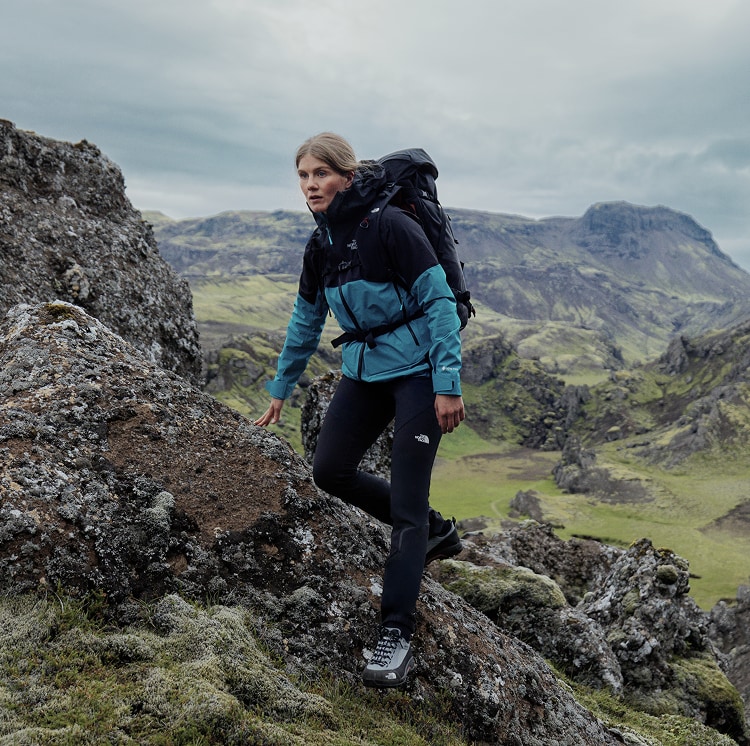
For technical mountain routes and prolonged exposure, jackets such as the Jazzi GORE-TEX® Jacket are designed to prioritise durable weather protection and dependable waterproof performance. With a construction suited to harsher alpine conditions, mountaineering-focused shells offer enhanced protection while still allowing layering underneath during colder ascents.
Lightweight waterproof jackets can still perform well here when layered correctly, particularly in mixed mountain terrain where mobility matters as much as protection.
When a waterproof jacket matters most
Not every mountain day requires a fully waterproof shell. Cold, dry conditions may call for different outer layers, but once rain, snow or strong wind enters the picture, a waterproof jacket becomes essential.
For both trail running and mountaineering, carrying or wearing a waterproof layer provides a margin of safety. Conditions can change quickly, especially at elevation, and protection from wind and moisture helps preserve energy and focus.
Frequently asked questions about waterproof jackets
A lightweight, breathable waterproof jacket that allows heat to escape during sustained effort works best. Fit and freedom of movement are as important as weather protection.
In many cases, yes. A versatile waterproof jacket can perform across both activities when matched to conditions and layered appropriately.
A jacket should handle sustained rain and strong wind without wetting out. Breathability is equally important to avoid overheating during movement.
Not necessarily. Heavier jackets offer durability, but lightweight waterproof jackets can perform effectively when chosen for the right environment and output level.
Protection that supports movement
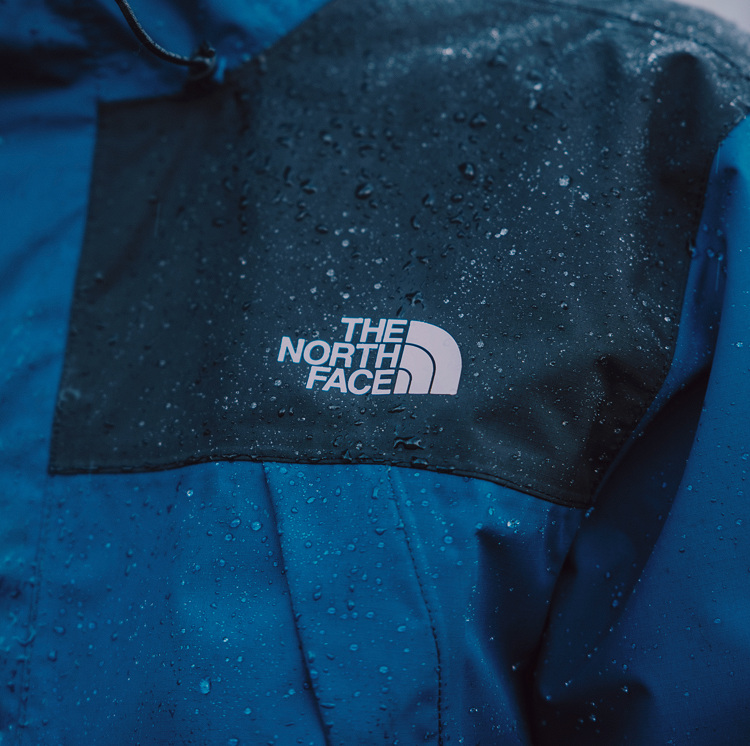
The right waterproof jacket works with your movement, not against it. For trail running and mountaineering, protection needs to adapt to changing effort, terrain and weather without adding unnecessary weight or restriction.
The North Face waterproof jackets are designed to perform across mountain environments, balancing protection, breathability and mobility. Use The North Face Jacket Finder, to choose a jacket that matches how and where you move, you can stay comfortable and focused, whatever the conditions bring.