
The North Face Guide to Fleece Fabrics, Warmth Ratings, and When to Wear Each Style
Fleece is one of the most versatile layers in any cold-weather system. Lightweight yet insulating, breathable yet warm, it plays a critical role in regulating body temperature across a wide range of conditions.
Whether worn on its own in cool weather or layered under an insulated jacket in winter, the right fleece helps manage warmth without adding unnecessary bulk. This guide breaks down how fleece works, how warmth ratings differ, and when to wear each fleece style, helping you choose the right option for your activity, environment, and layering needs.
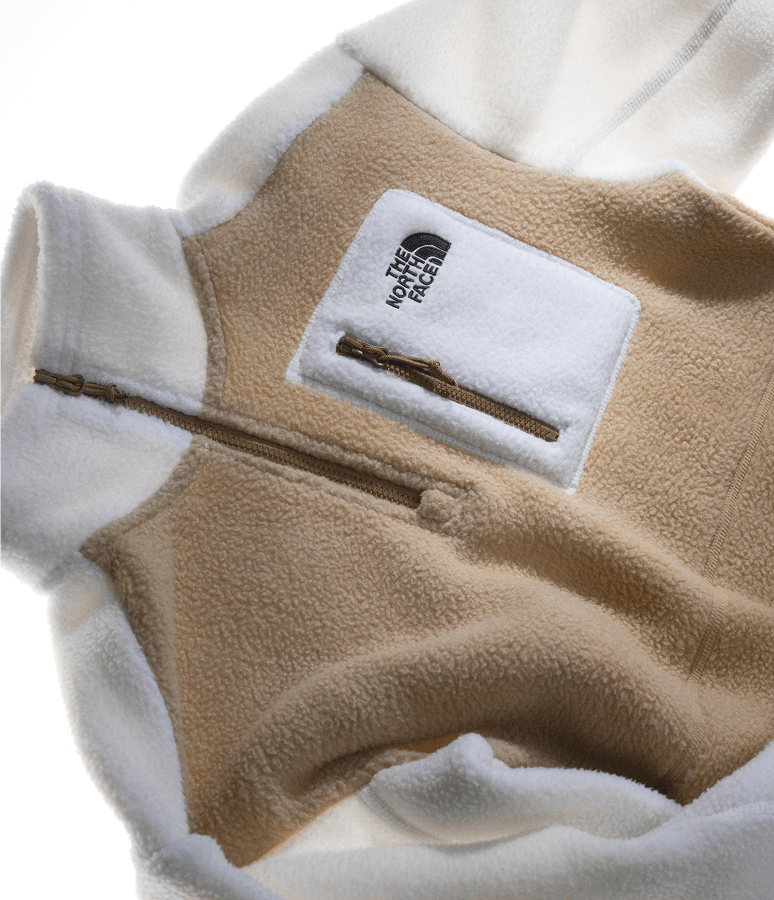
What is fleece, and how does it work?
Fleece is a synthetic fabric designed to trap body heat while allowing moisture and excess warmth to escape. Its structure creates small air pockets that retain heat close to the body, helping maintain comfort during movement.
Unlike insulated jackets, fleece does not rely on fill or loft. Instead, warmth is determined by fabric weight, pile height, and construction. This makes fleece particularly effective as a midlayer, where breathability is just as important as insulation.
Because fleece continues to insulate even when damp and dries quickly, it’s especially well-suited to active use in cold conditions.
Understanding fleece warmth ratings
Fleece warmth isn’t defined by a fixed temperature rating. Instead, it reflects how much insulation the fabric provides relative to weight and breathability, and how it’s intended to be used within
a layering system.
At The North Face, fleece styles are designed to cover a spectrum of warmth needs, from highly breathable layers for movement to warmer options for cold, low-output conditions.
The North Face fleece warmth levels at a glance:
CATEGORY | WARMTH | BEST SUITED FOR | WHEN TO WEAR |
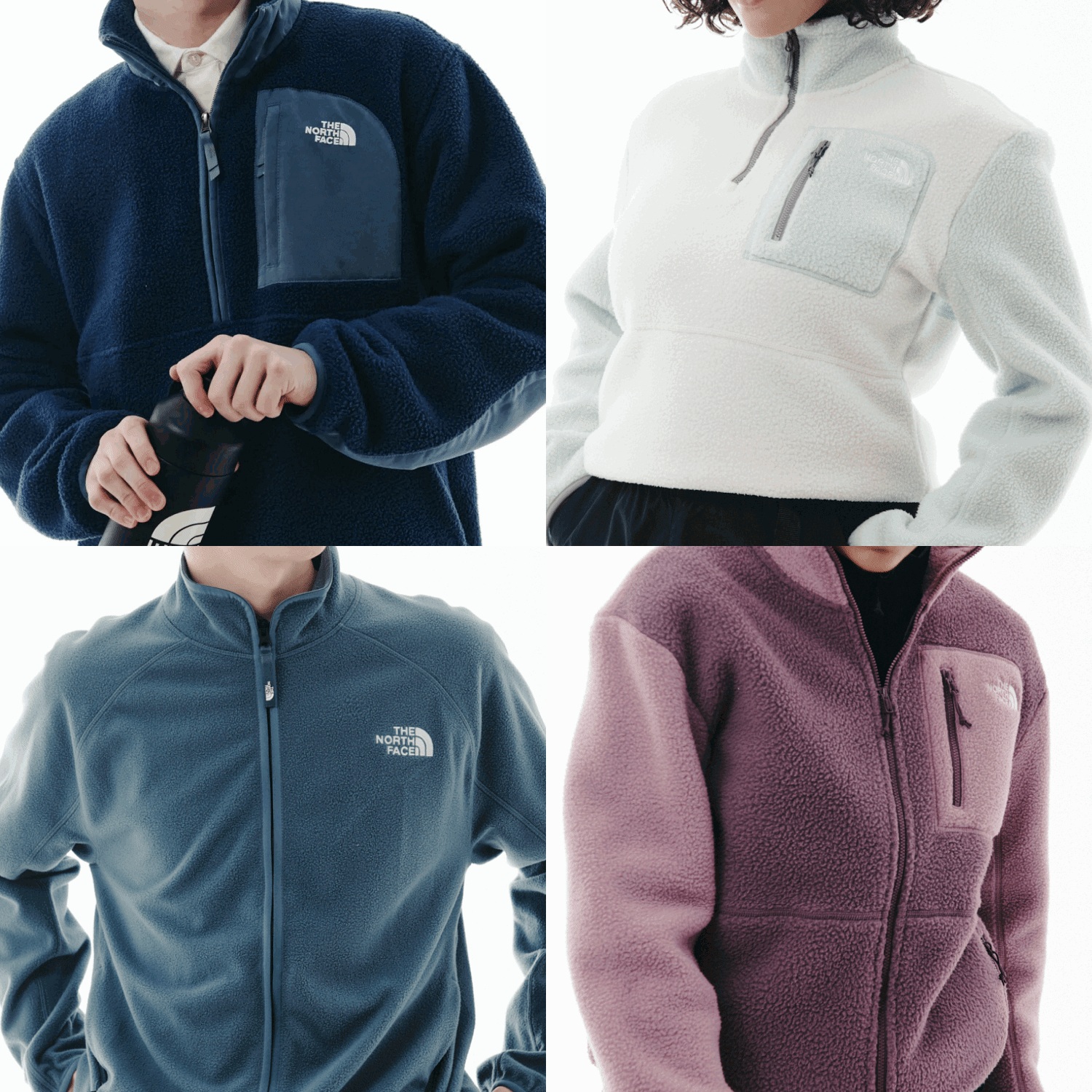
Lightweight fleece | Low | High-output activity, technical layering | Cool conditions, training, trail running, layering under shells |
Midweight fleece | Medium | Versatile everyday use, winter travel | Cold weather, daily wear, layering under insulated jackets |
Heavyweight fleece | High | Low-output warmth, comfort-focused use | Very cold, dry conditions, static or slow-paced activity |

Lightweight fleece prioritises breathability and moisture management, making it ideal for high-output activity and active layering in cool conditions.
Midweight fleece balances insulation and comfort, making it a versatile option for everyday wear, winter travel, and layering under insulated jackets.
Where fleece fits in The North Face layering system
Fleece performs best when viewed as part of a wider layering system rather than a standalone solution. Its role is to regulate temperature between base layers and outer layers, adapting to changes in activity and conditions.
In extreme cold, fleece works most effectively when paired with insulated jackets.It helps stabilise
body temperature during movement, while the insulated layer provides protection when activity slows.
When should you choose fleece over insulated jackets?
Fleece and insulated jackets serve different purposes. Insulated jackets are
designed to retain heat in cold, often low-movement situations.
Fleece excels when breathability and temperature control are required.
Choose fleece when:
You’re moving
and generating heat
Conditions are cool
rather
than severely cold
You need a flexible layer that works
across environments
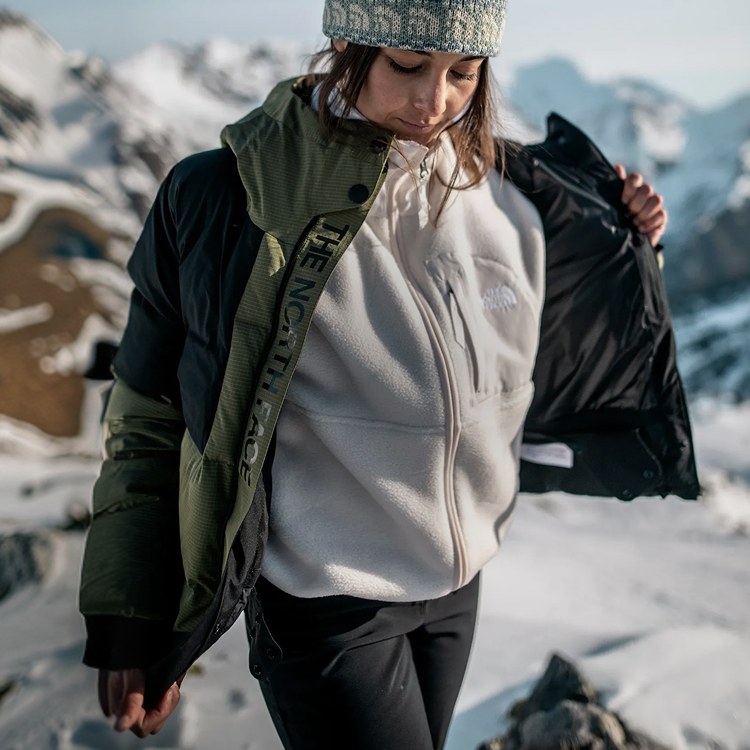
In very cold conditions, fleece should be used alongside insulated jackets, not instead of them.
Common fleece mistakes to avoid
Choosing the wrong fleece often comes down to misunderstanding how fleece is meant to work. These are the most common mistakes people make.
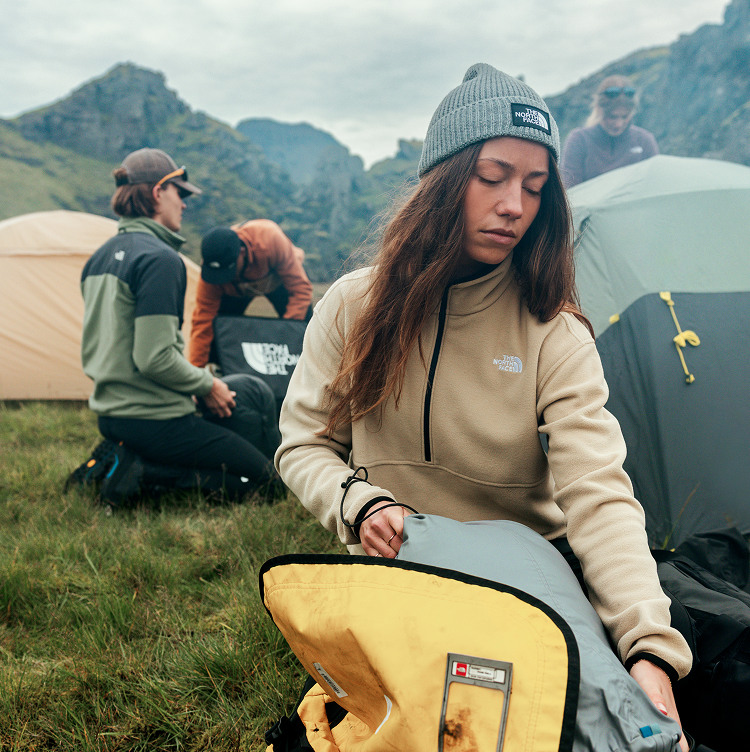
Wearing heavyweight fleece for high-output activity
Heavier fleece traps more heat, which can quickly lead to overheating during movement. For training, hiking, or trail running, lighter fleeces manage moisture far more effectively.
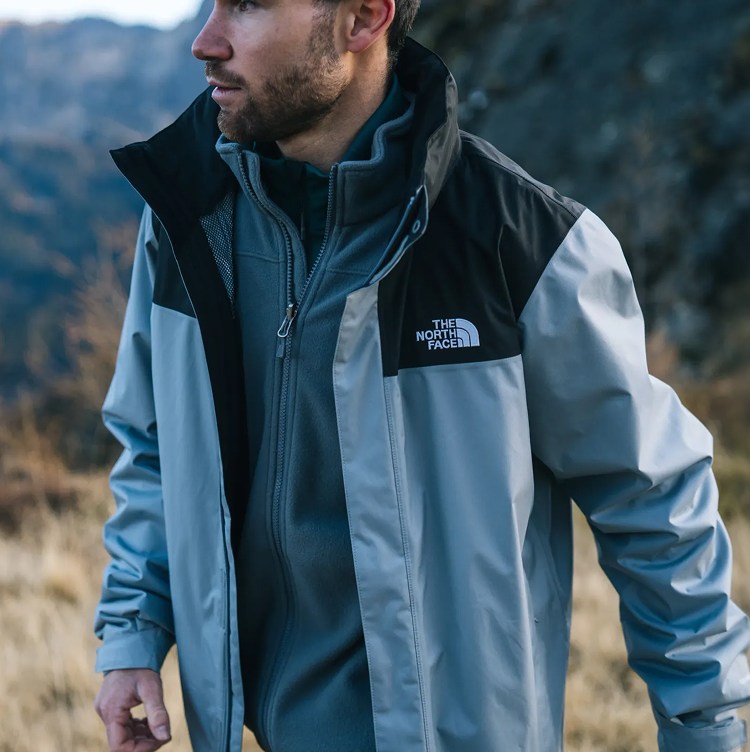
Relying on fleece as weather protection
Fleece offers little resistance to wind or rain. In exposed conditions, it should be layered under a shell rather than worn alone.
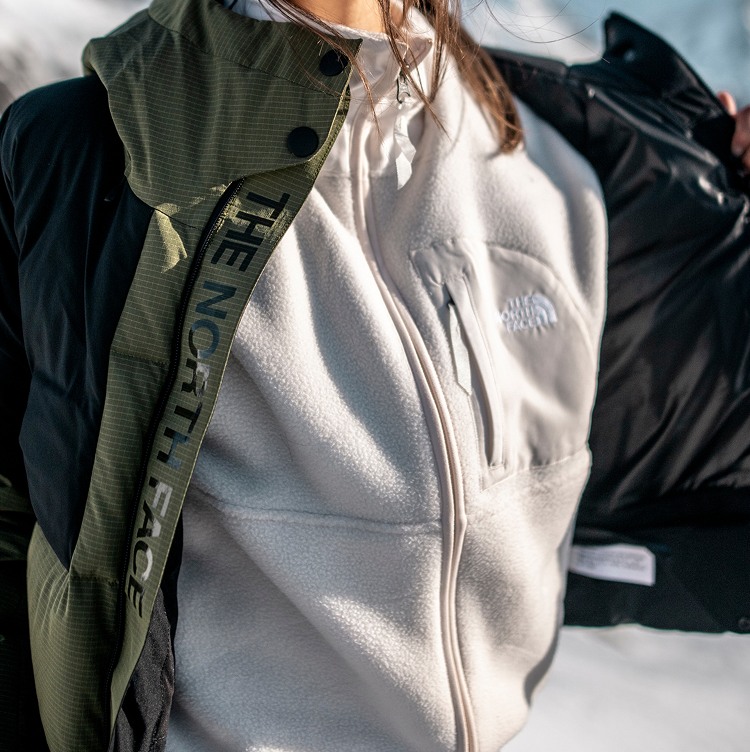
Over-layering fleece in cold conditions
More fleece doesn’t always mean more warmth. Pairing fleece with an insulated jacket is often more effective than stacking multiple fleece layers.

Choosing fleece without considering activity
A fleece that works well for travel or everyday wear may not perform during technical activity. Always match fleece weight to how and where it will be worn.
Choosing the right fleece for your activity
The best fleece depends on how it will be used.
Lightweight fleeces
suit high-output movement.
Heavyweight fleeces
deliver comfort and warmth when movement is limited.
Midweight fleeces
offer everyday versatility.
Understanding fleece warmth ratings and layering roles helps ensure fleece performs as intended, whether it’s worn alone or as part of a cold-weather system.
Quick decision shortcuts. Choosing the right fleece

For high-exertion activities or active layering, choose a lightweight, breathable fleece that manages moisture effectively.
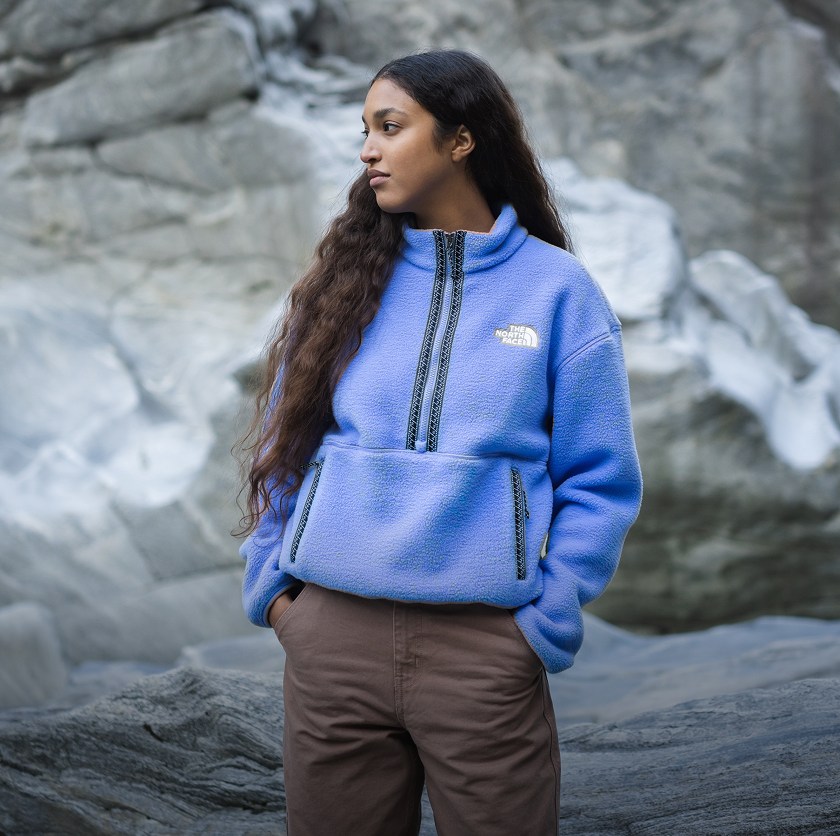
For everyday warmth or travel layering, a midweight fleece offers a balance of insulation and comfort.
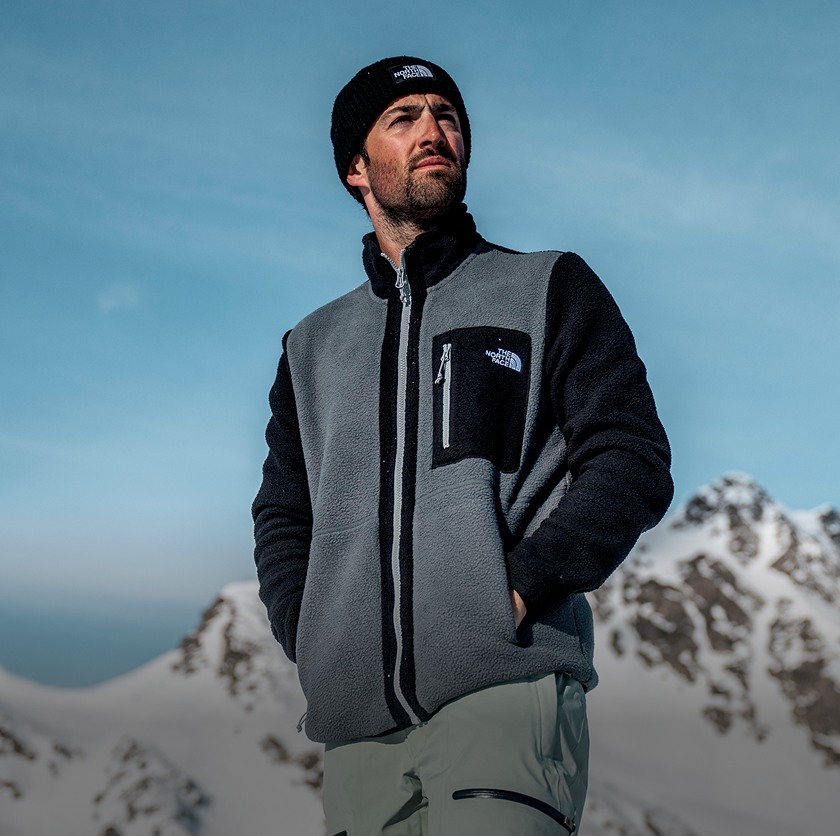
For low-movement situations in cold, dry conditions, a heavier fleece provides added warmth.

In wet or windy weather, fleece performs best when layered under a shell rather than worn alone.
Why fleece is a core winter layer
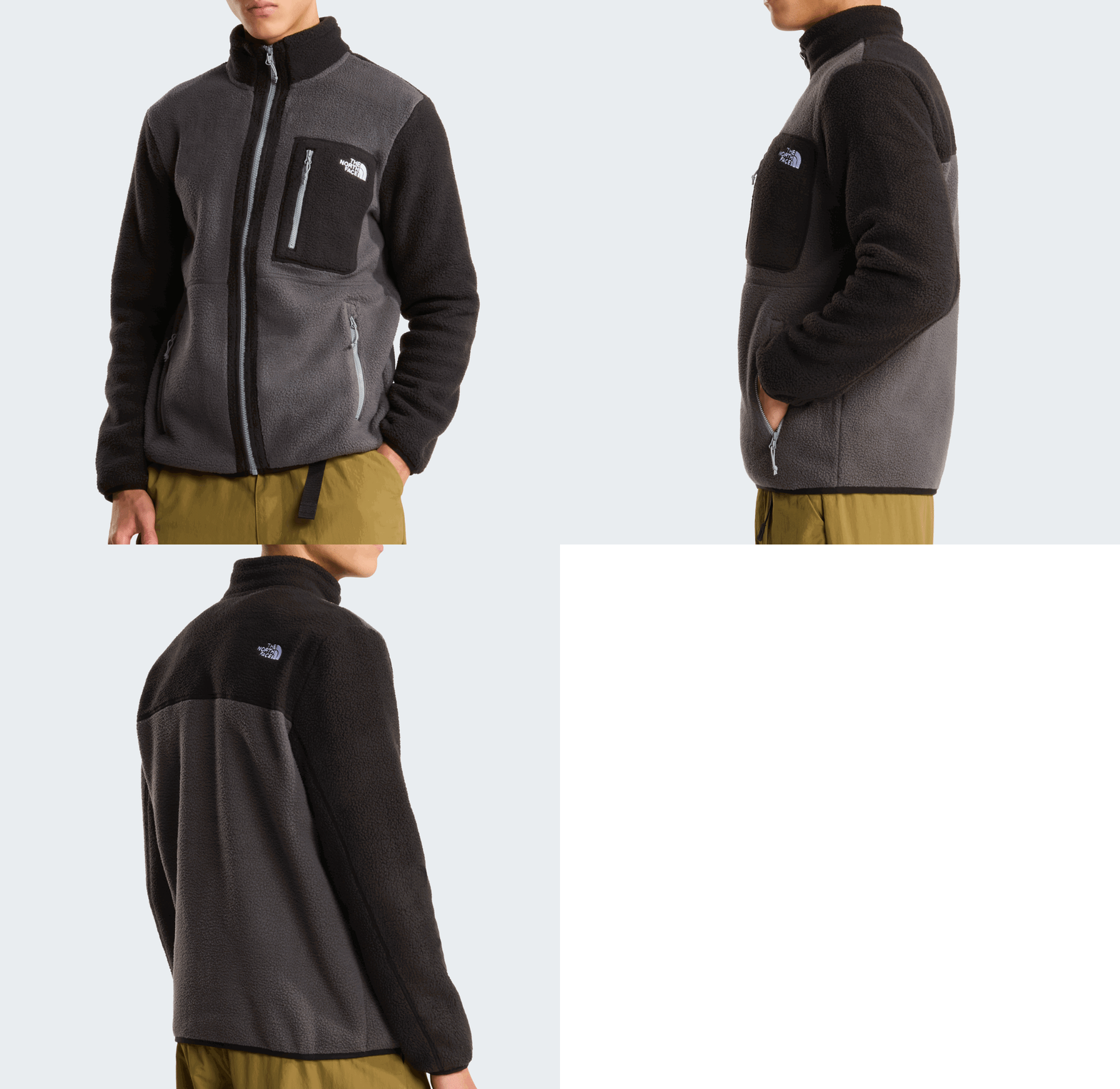
Fleece remains a cornerstone of winter layering because it balances warmth, breathability, and comfort better than almost any other fabric. It bridges the gap between base layers and insulated jackets, making it easier to adapt to changing conditions.
Choosing the right fleece weight and style allows you to build a layering system that stays comfortable across a wide range of temperatures and activities.
Find the right fleece for your winter layer
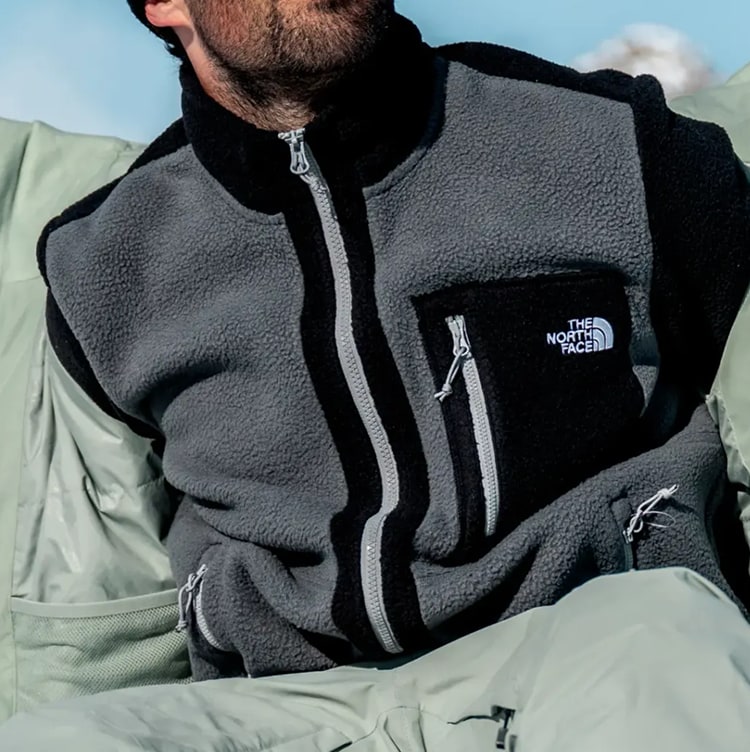
From lightweight fleeces designed for movement to warmer styles built for cold conditions, The North Face designs fleece layers that adapt to how you move and where you explore.
Explore fleece styles designed to support winter layering systems and find the right balance of warmth and breathability for your cold-weather plans.