
What Are the Best Gloves
for Winter Hiking?
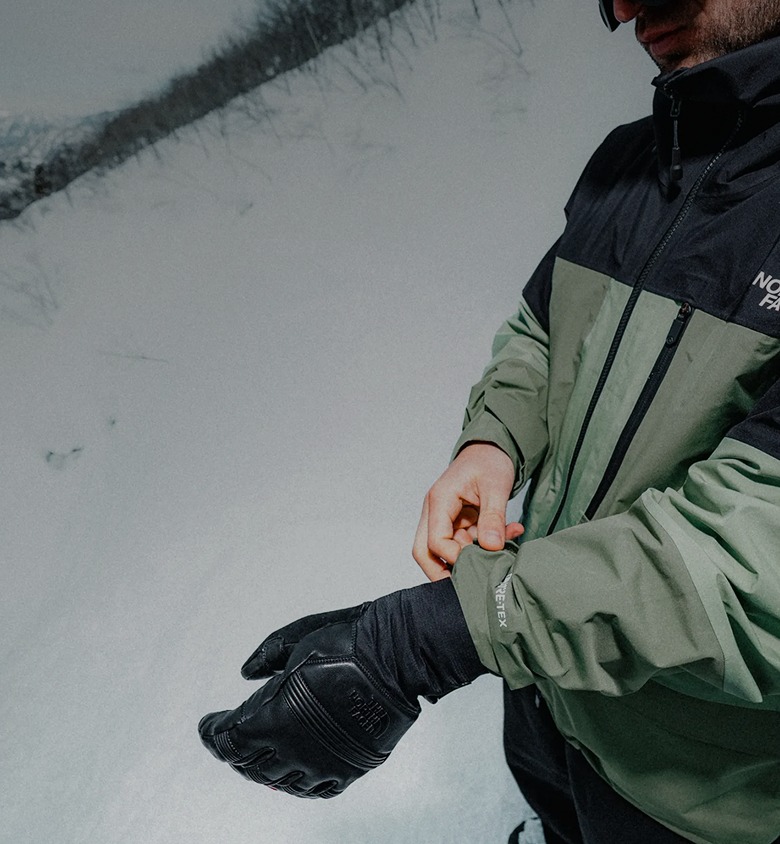
Ever noticed how your hands get colder than the rest of you and then stop working before you realise they’ve gone numb? Us too. Winter hiking gloves solve this problem, for both comfort and function. Cold fingers can’t operate a zip, adjust a strap, or read a map. On a winter hillside, this stuff is critical.
Why Winter Hiking Gloves Matter
Gloves are the bit of kit most people get wrong in winter. They’re either underprepared because the forecast looks mild or they pick the warmest option without thinking about the activity. Both approaches cause problems.
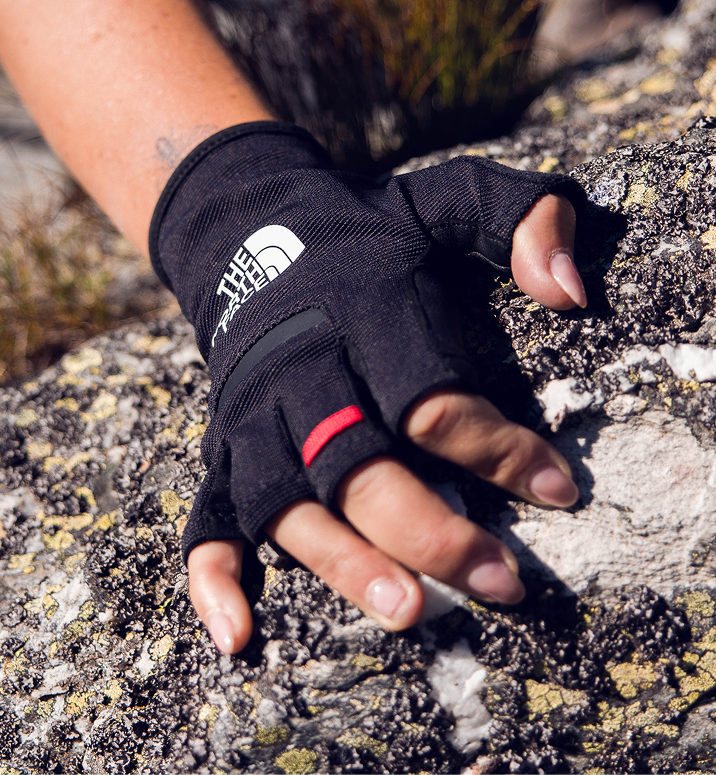
When organs need protection from the cold, the body restricts blood flow to the extremities first. Hands get cold quickly, and once they do, fine motor control gives up. Tasks that are easy at room temperature become difficult with cold hands, and impossible with numb ones.
Beyond comfort, dexterity can be a problem in winter. Navigation, emergency procedures, and adjusting layers all require functional hands. Gloves that are too warm become sodden with sweat and lose insulating properties. Gloves that are too light leave you exposed when conditions change. Getting the choice right is more consequential than it might seem.
Waterproof vs Insulated Hiking Gloves
The most important distinction in winter hiking gloves is between waterproofing and insulation. Two different properties, and two very different purposes.
Waterproof hiking gloves use a membrane layer to prevent rain and wet snow from penetrating the outer shell. Most waterproof gloves carry a DWR finish on the outer fabric to shed water before it saturates the shell. Insulated hiking gloves add a layer of fill material between the outer shell and liner to trap heat.
Insulation determines warmth. Waterproofing determines whether that warmth survives contact with rain or wet snow. The two properties are complementary, not alternatives.
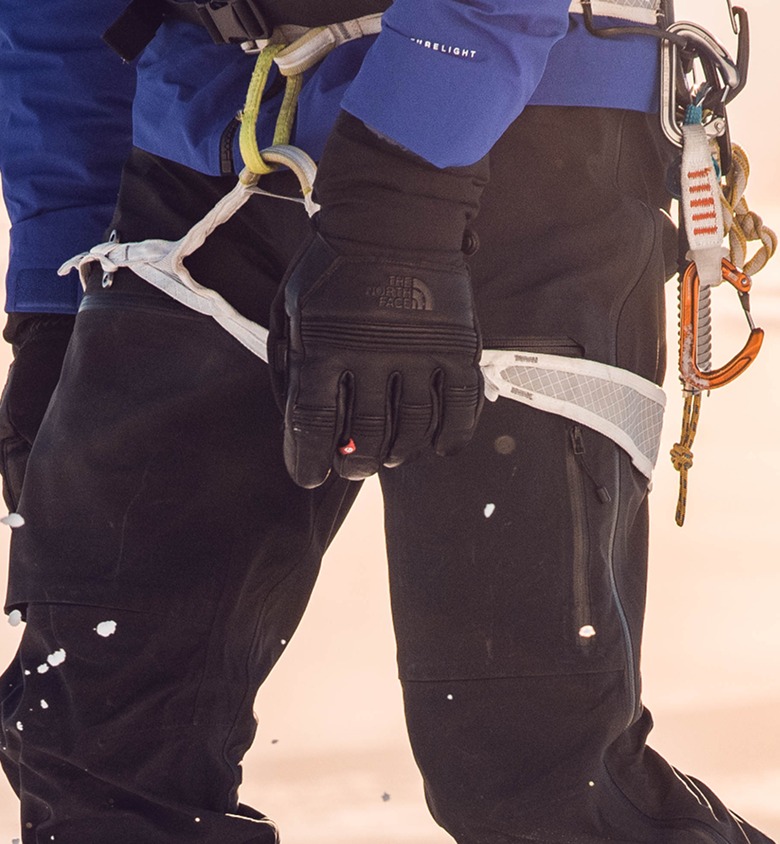
Warm hiking gloves are the best gloves for winter hiking in serious conditions. A waterproof membrane or shell with insulation is what you need for sustained exposure to cold and wet. However, the more insulation a glove contains, the harder it is to perform fine motor tasks.
For mild winter days and cool but dry conditions, a lightweight fleece or softshell glove offers warmth with better dexterity. For hill walking in wet weather or any route with significant wind exposure, a waterproof insulated glove is the right choice. For technical winter terrain, a heavier mountain glove or a glove-and-mitten layering system is best.
Choosing Gloves for Different Conditions
The right glove depends on what the weather is actually doing. Here’s how to match construction to the conditions.
Dry and cold
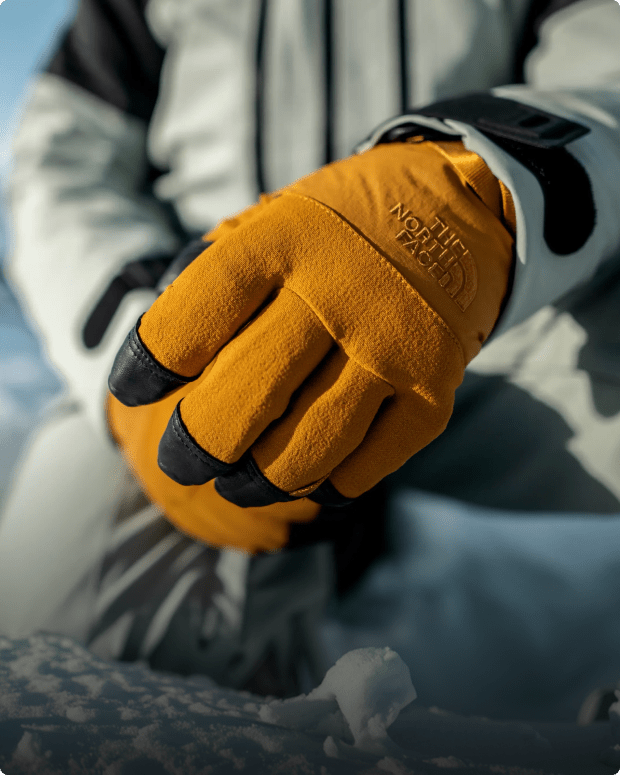
Insulation is the priority. A warm hiking glove with synthetic or down fill keeps hands warm without the weight of a fully waterproofed shell. Fleece-lined options work well in these conditions.
Wet and cold
Waterproofing becomes essential alongside insulation. Choose a glove with a waterproof insert and adequate insulation for the temperature. Once a non-waterproof glove saturates, insulation stops.
Cold and windy
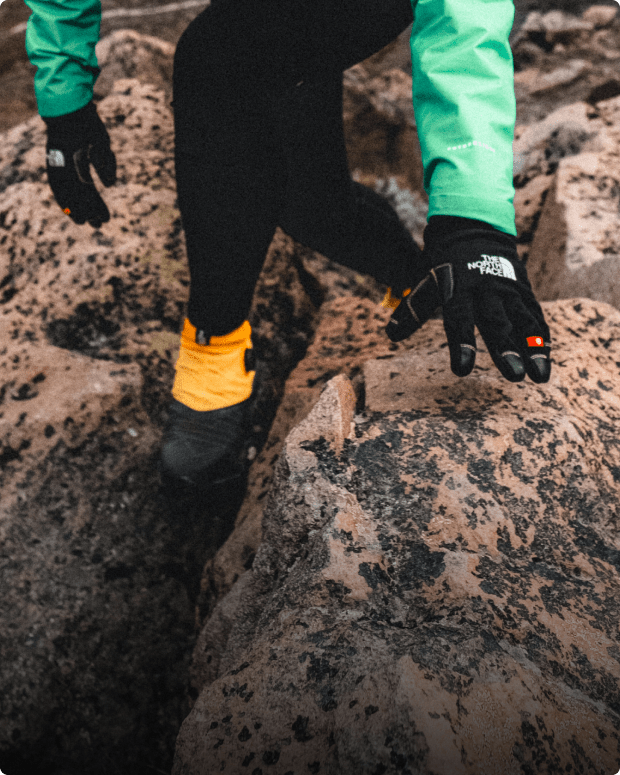
A windproof outer shell reduces heat loss when wind chill is the key concern. Softshell gloves are wind-resistant without heavy waterproofing, so they're ideal for these conditions.
Variable or deteriorating conditions
A liner glove worn under a waterproof shell glove is the most adaptable system. The liner provides warmth and some dexterity on its own, but you’ll want to add the shell when conditions deteriorate. This adds pack weight but gives you flexibility on routes with changeable weather.
Key Features to Look For
Hiking conditions are a deciding factor in the gloves you choose, but several details determine how a glove performs in the real world.
Waterproofing
Gloves for walking in winter in the UK need to be waterproof. A DWR-treated outer fabric handles light rain, but a waterproof membrane handles sustained wet conditions.
Insulation type and weight
Synthetic insulation maintains warmth when damp, which is more practical than down, as this loses its loft when wet. The insulation weight determines warmth. Lighter is for active use and mild cold, while heavier is best for static or exposed conditions.
Dexterity
Thinner gloves allow more accurate hand movements. Thicker gloves sacrifice dexterity for warmth. When travelling routes involving navigation, camera use, or technical ground, consider whether you’ll be able to operate your tools properly.
Wrist length and closure
A glove that sits short of the sleeve cuff leaves a gap where cold air and moisture can enter. Longer gauntlet-style gloves combat this. A drawcord or cinch closure at the wrist secures the seal and prevents the glove from blowing off in strong wind.
Grip
Textured or silicone-printed grip zones on the palm and trigger finger help with grip on poles and in technical terrain.
Touchscreen compatibility
Gloves with conductive fingertips mean you can use a phone or GPS without removing the glove. In cold conditions, taking a glove off, even briefly, is unpleasant. On a timed route or in deteriorating weather, it can be much worse.
Choosing the Right TNF Gloves
The best winter gloves for walking are the ones calibrated to your conditions. They’re not always the warmest pair you own, and they’re not always the lightest.
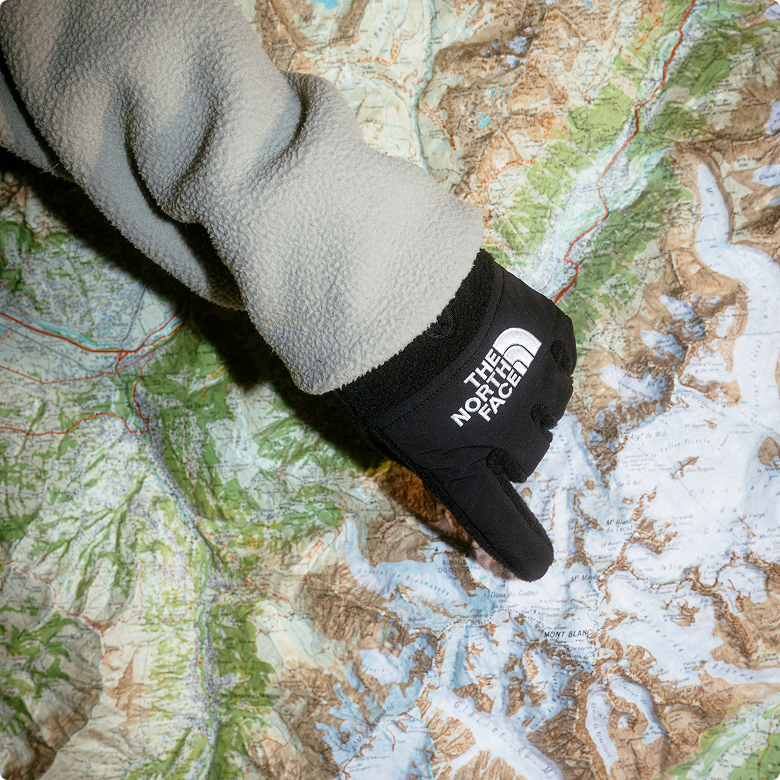
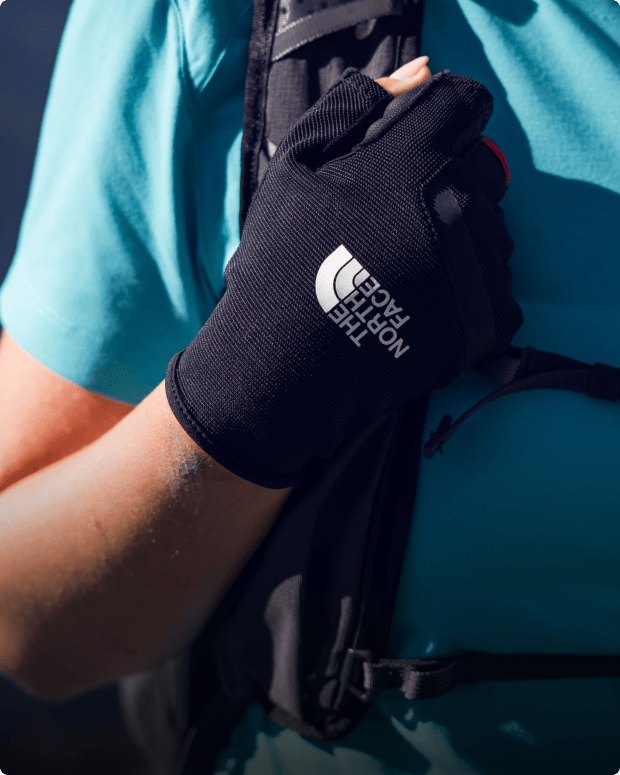
For winter walks, low-level routes, and mild cold, a softshell glove provides enough warmth and dexterity without bulk. These work well as standalone gloves in moderate conditions and as liners in colder weather.
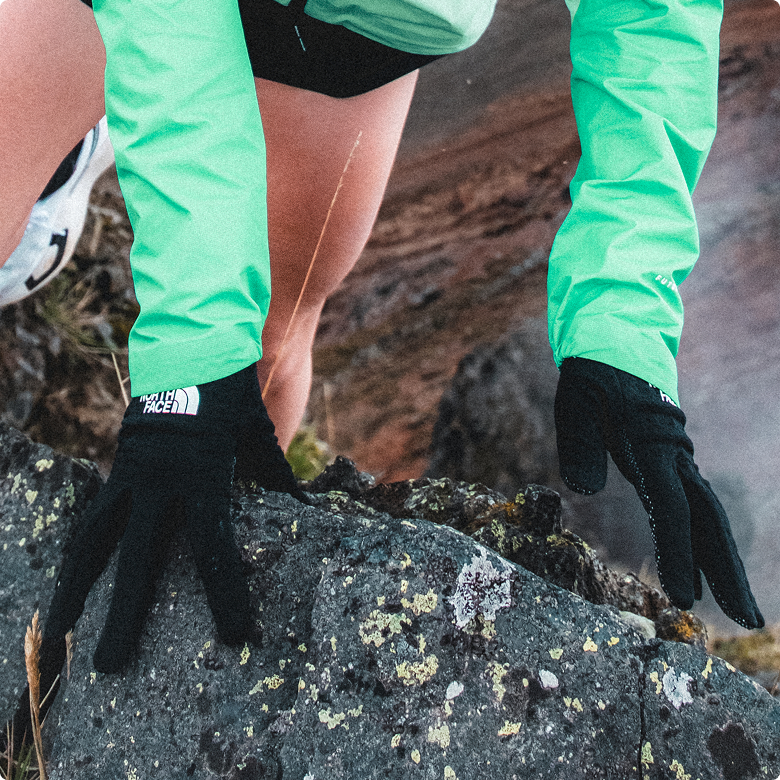
For hill walking, winter training, and wet conditions, a waterproof insulated glove is the workhorse choice. Seam-sealed construction, insulation, and a reliable waterproof membrane keep hands dry in rain and wet snow.
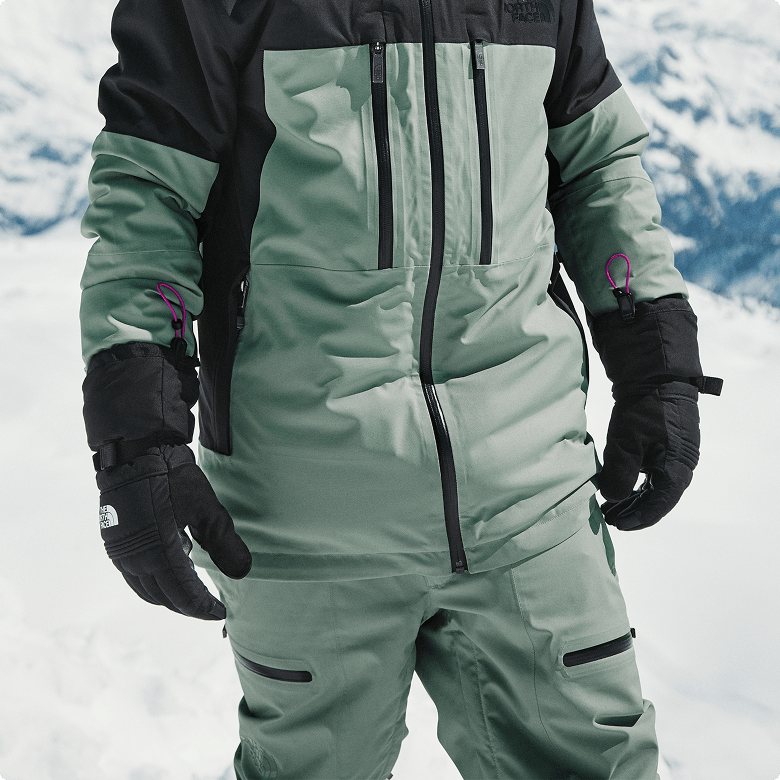
For technical winter terrain or exposed ridges, a heavier mountain glove with robust insulation provides protection for the conditions.
Browse men’s gloves and women’s gloves to find the perfect pair for winter walking.
Winter Hiking Glove FAQs
The best gloves for winter hiking are waterproof, insulated, and fitted with a wrist closure that seals against your sleeve. For wetter conditions, a waterproof membrane with synthetic insulation is optimal.
Internal moisture is the most common cause of cold, wet gloves on active winter walks. Breathable gloves with moisture-wicking liners help. But the most effective method is to manage your pace and remove gloves during breaks, before sweat builds up. A lightweight liner glove also manages moisture by wicking sweat away from the skin.
Water-resistant gloves carry a DWR finish that sheds light rain and moisture from the outer surface. In sustained rain or wet snow, the outer fabric will saturate and the insulation will not work. Waterproof gloves use a membrane layer that blocks water in the same way waterproof jackets do. For serious winter walking, a waterproof membrane is more reliable.