
How to Choose Insulated Footwear for Snow and Ice
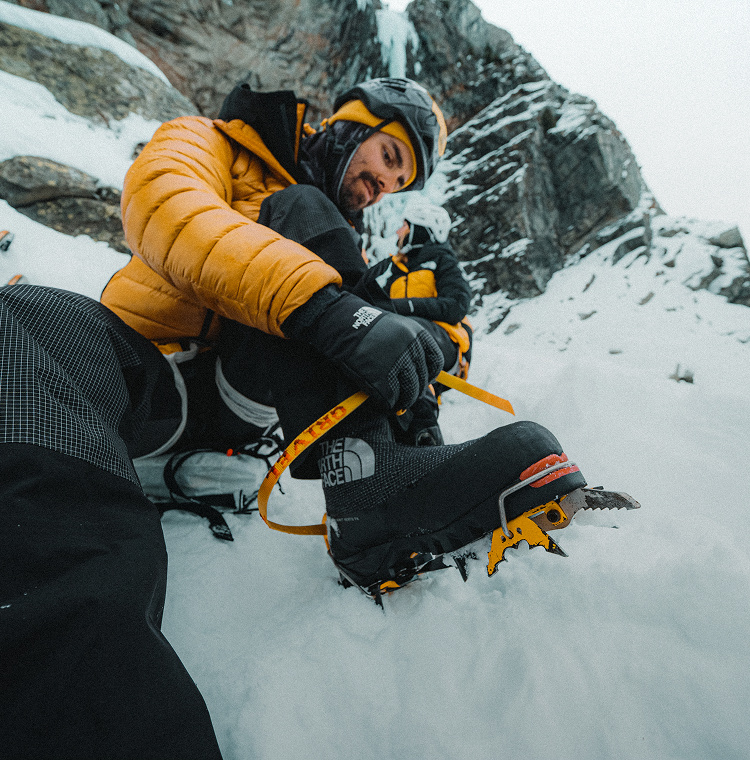
Exploration doesn’t need to stop when winter brings harsh conditions. Whether trekking through snow or hiking on icy terrain, it’s important to be well-equipped with supportive footwear.
Find out what’s important when it comes to choosing the right shoes for harsh weather conditions. From insulated boots for snow and ice to durable shoes with waterproof membranes, choose the right option with the help of our guide.
What shoes are best for snow and ice?
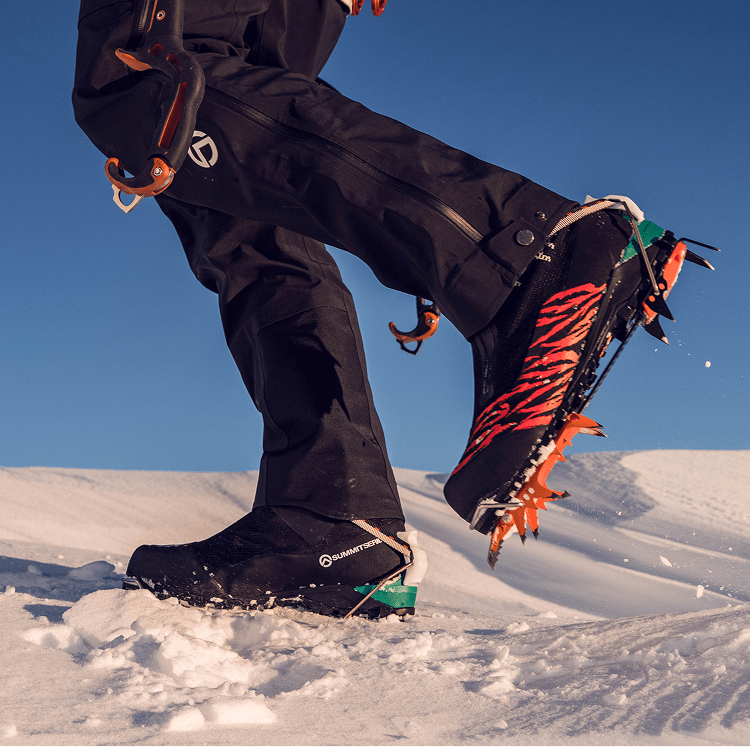
For safety and efficiency, specific footwear is needed for snowy and icy conditions. Look out for shoes and boots with features like high traction, water resistance, and made of thermal materials. Standard winter boots won’t cut it, so it’s important to know what to look for. Unsuitable footwear could result in discomfort or injury.
The best boots for icy conditions have been specifically designed to protect and support when walking on tricky and slippery terrain. They prioritise warmth, grip and weather protection as practical features, alongside aesthetic and design.
Snow and ice can create difficulty, but through innovative technology and design, The North Face has historically pushed boundaries to create solutions for conditions like these.
What makes winter footwear suitable for walking on snow or ice?
When finding winter footwear that’s fit for purpose, it’s important to go for technical footwear over fashion-focused styles. Technical footwear is specifically designed and crafted for protection and comfort. Fashion-focused winter footwear might look good, but lack practical value on snow or ice.
There are four key features to look for when choosing shoes for winter:
Insulation technologies
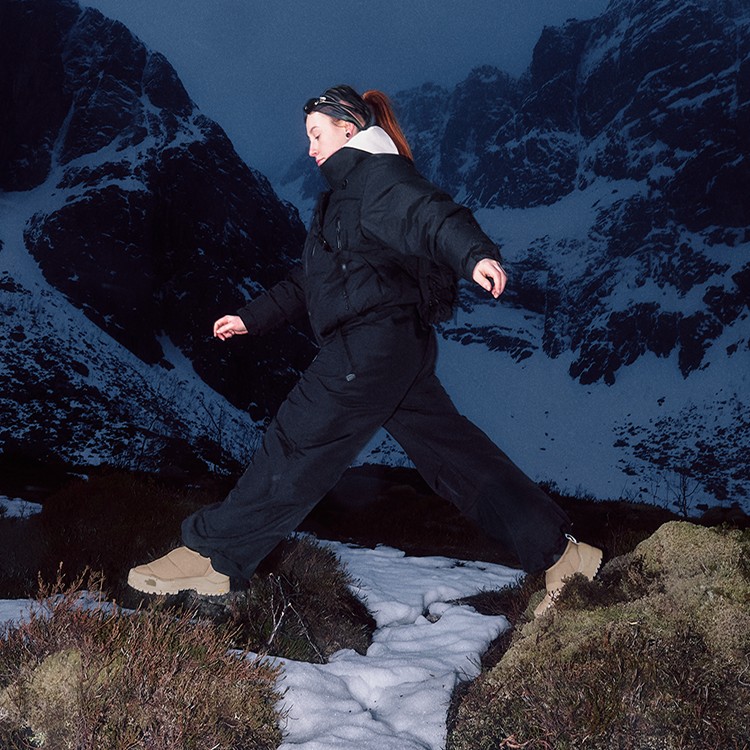
Insulation in footwear is vital when heading outdoors in cold weather. Insulated boots use natural or synthetic materials to trap heat in and block out cold, creating a warming effect.
The North Face winter footwear uses insulation types such as:
Heatseeker™: a synthetic filament that provides warmth and breathability in freezing temperatures.
ThermoBall™: another synthetic fill that retains heat well, even in wet conditions.
Insulation quantity varies depending on intent. Shoes intended for casual outdoor use often contain fewer grams of insulation than specialist shoes intended for outdoor exploration and extreme conditions. Check the boot’s insulation amount in grams to get a good sense of how much protection it has from cold.
Waterproof membranes
Snow and ice inevitably melt, so avoiding wet feet is another important factor in deciding on the right footwear. Waterproof winter shoes aren’t optional; they’re a must.
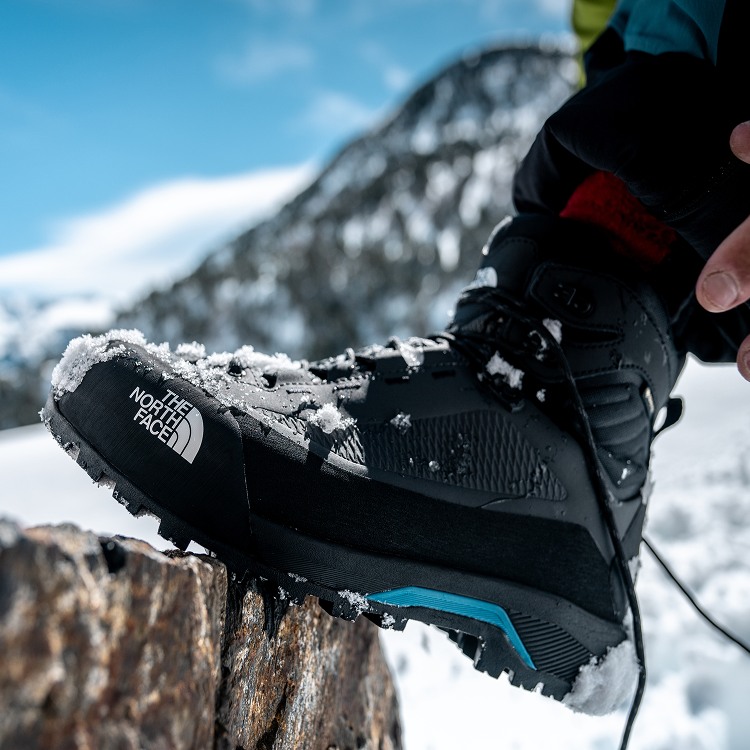
Waterproof membranes like GORE-TEX® work as a filter on snow shoes, allowing sweat to escape and keeping outside moisture from getting in. With the help of GORE-TEX® technology, it’s easy to stay dry and comfortable against the odds.
Outsole traction
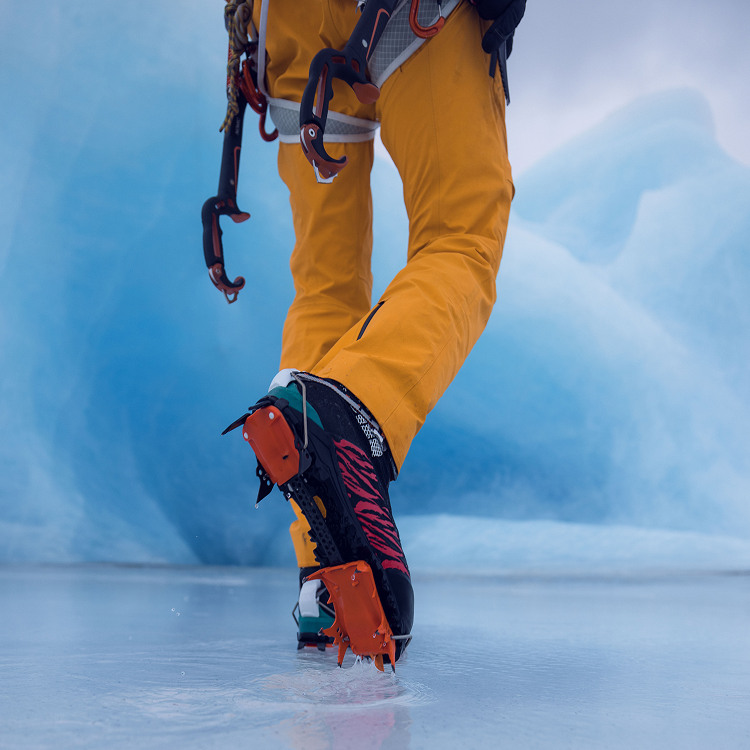
Whether commuting through snowy city streets or hiking slippery trails, outsole traction is crucial. Snow and ice on a surface remove friction, and a shoe’s traction replaces it using deep tread patterns to bite into the ground. High-quality, effective traction makes all the difference when it comes to staying upright.
Designed for optimal performance on wintry terrains, our Summit Series™ features Vibram® soles for extra grip and durability on ice. These outsoles maximise stability using strategically placed lug patterns.
Temperature ratings
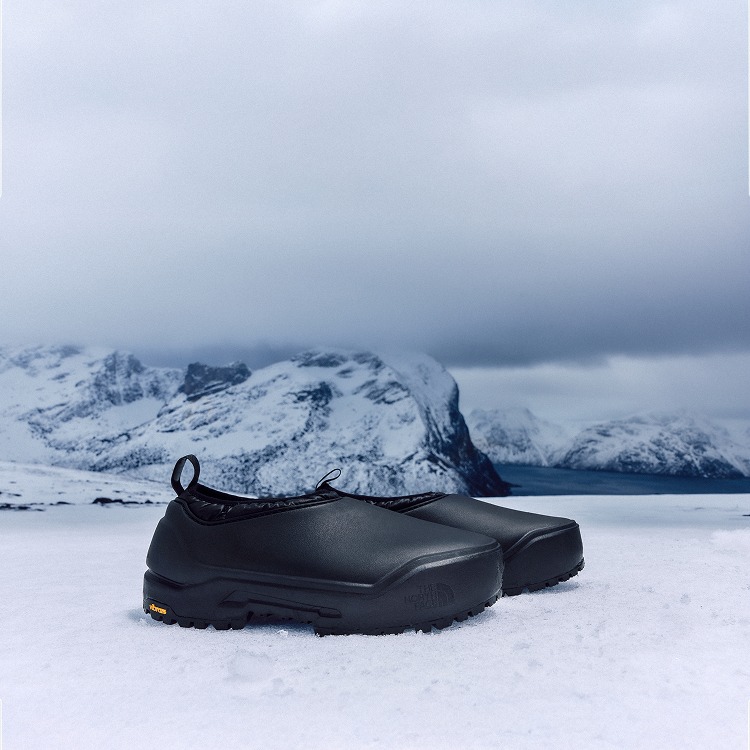
A winter boot's temperature rating is a simple way to evaluate how warm a shoe or boot is designed to keep feet in cold conditions. The number itself refers to the lowest temperature at which the shoe will keep the wearer warm. For example, a boot with a -30°C rating is intended to stay warm in temperatures as low as -30°C.
Though temperature ratings can be helpful when comparing options, they can only be used as guidance. Lots of other factors can impact temperature, like:
Activity level
Exposure level
Socks and layering
Weather
Personal health
At The North Face, instead of winter boots’ temperature ratings, we provide information on:
Insulation weight: the amount of insulation in grams
Insulation type: Heatseeker™, ThermoBall™, synthetic, etc
How warm should insulated footwear be?
Simply put, insulated footwear has no set ideal warmth. Generally, around 100g of insulation is suitable for lifestyle shoes, and 200g is more suitable for hiking shoes. However, it’s not an exact science, as factors like activity level, layering and health all come into play.
It’s important to think about intended use when choosing insulated footwear. Winter boots needed for a light hike on a clear trail will be different from those needed for an intense mountaineering trip.
Quick decision shortcuts: Choosing the right winter footwear
Though warmth, traction and waterproof qualities are important for any winter boot or shoe, priorities might vary based on the intended use:
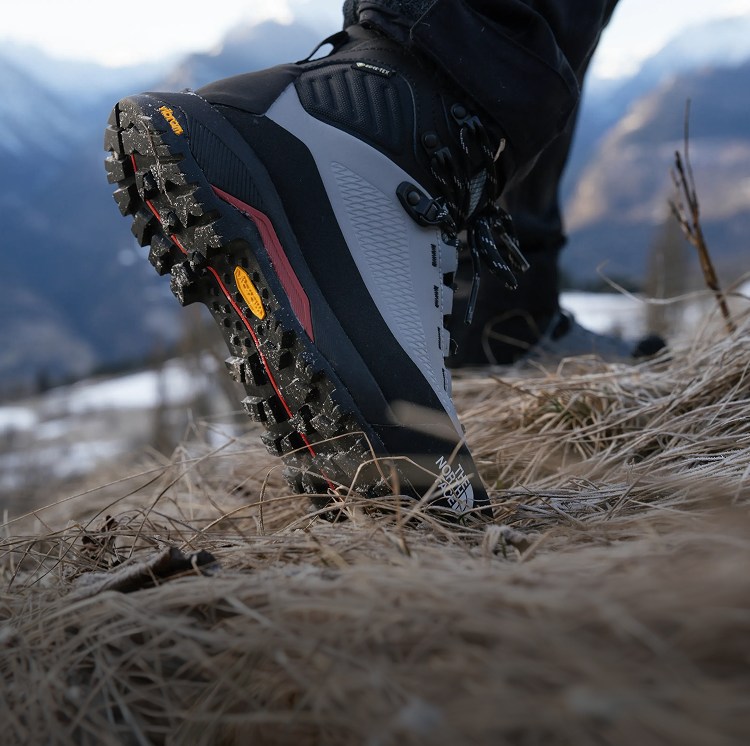
Hiking or trekking on icy trails: traction is key for stability.
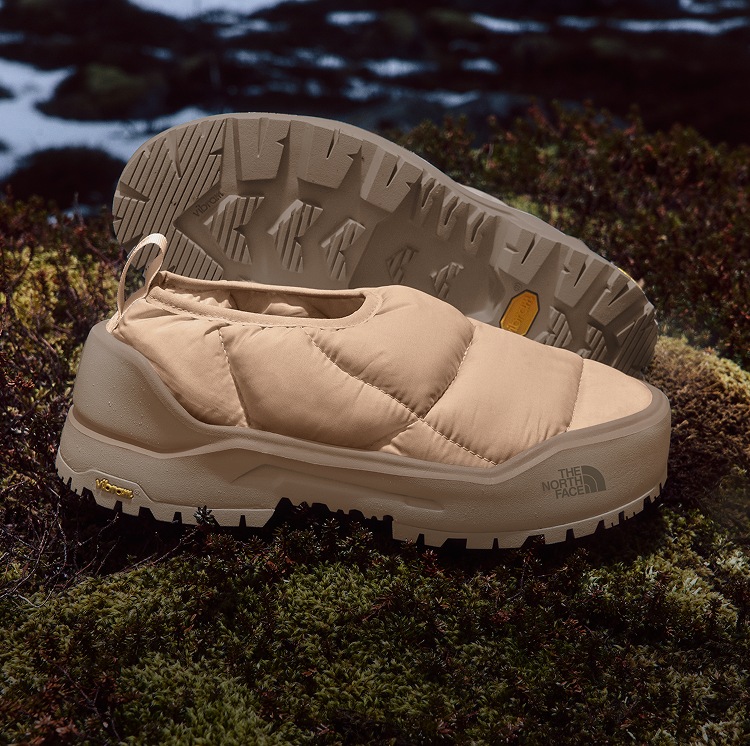
Staying outdoors for a long stretch of time: insulation is a high priority to maintain warmth.
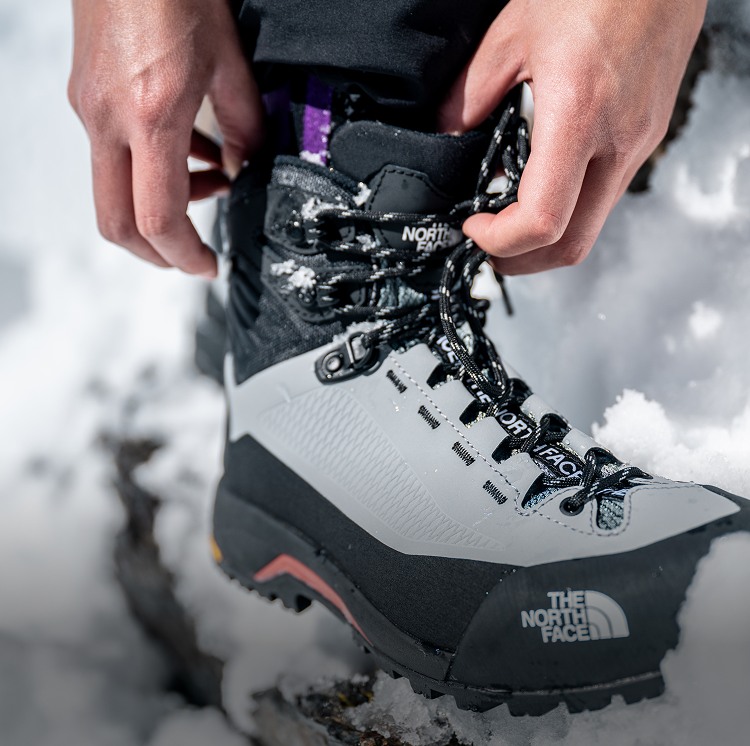
Walking through deep or melting snow: waterproofing is even more important to keep moisture out.
Find the best winter boots for winter
The market is wide, but knowing what to look for and understanding which factors make a great pair of winter boots makes choosing the right pair easier. From everyday wear to snowy expeditions, making a decision comes down to traction, warmth and waterproofing.
Still deciding what works best on the ground? Use The North Face Footwear Finder to filter men’s and women’s winter boots by activity, insulation level, waterproof protection, and terrain. It’s the easiest way to match the right footwear to snow, ice, and cold-weather conditions.
Discover a wide range of winter footwear and insulated boots with The North Face, designed with support, comfort and durability as priority.